
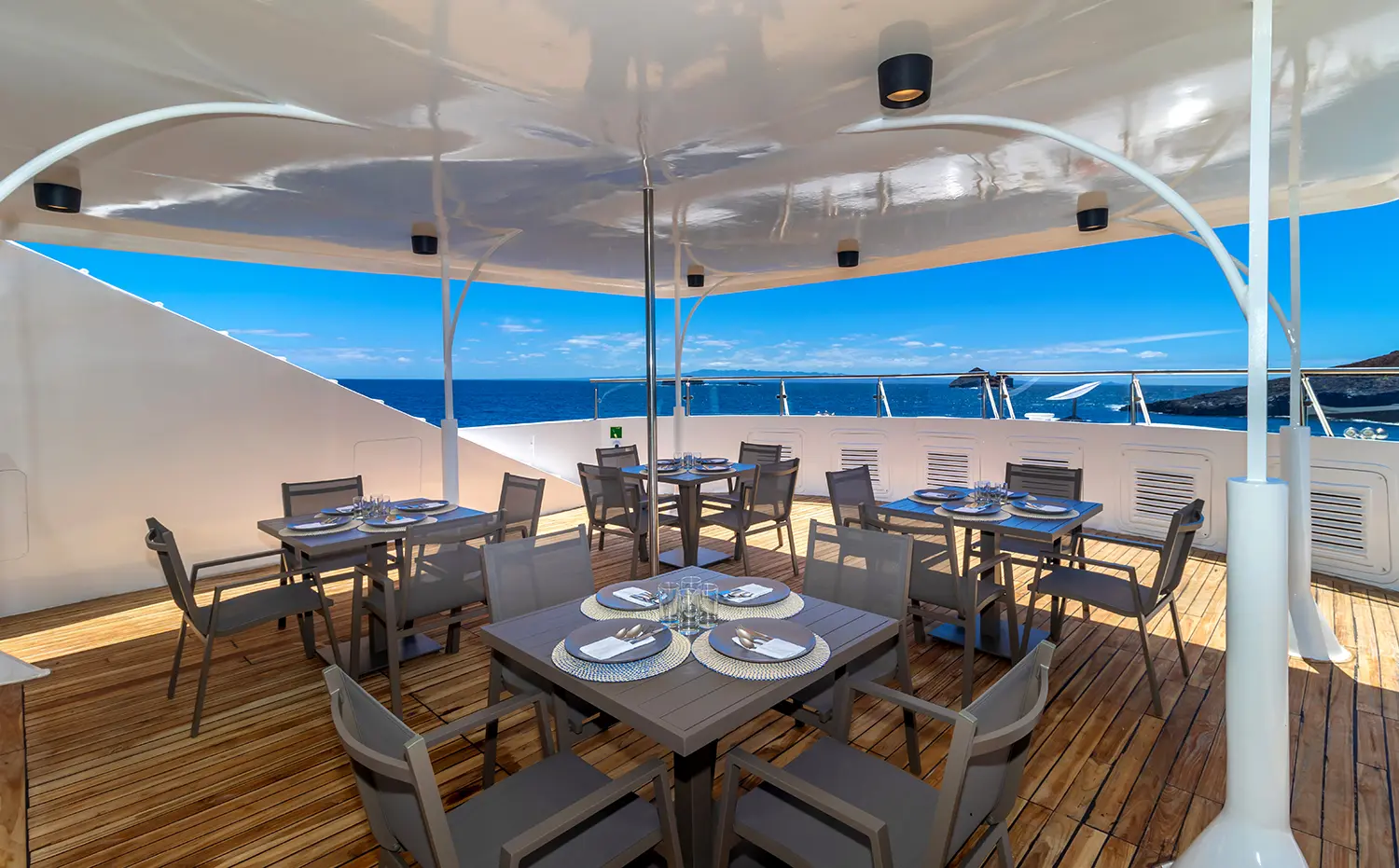
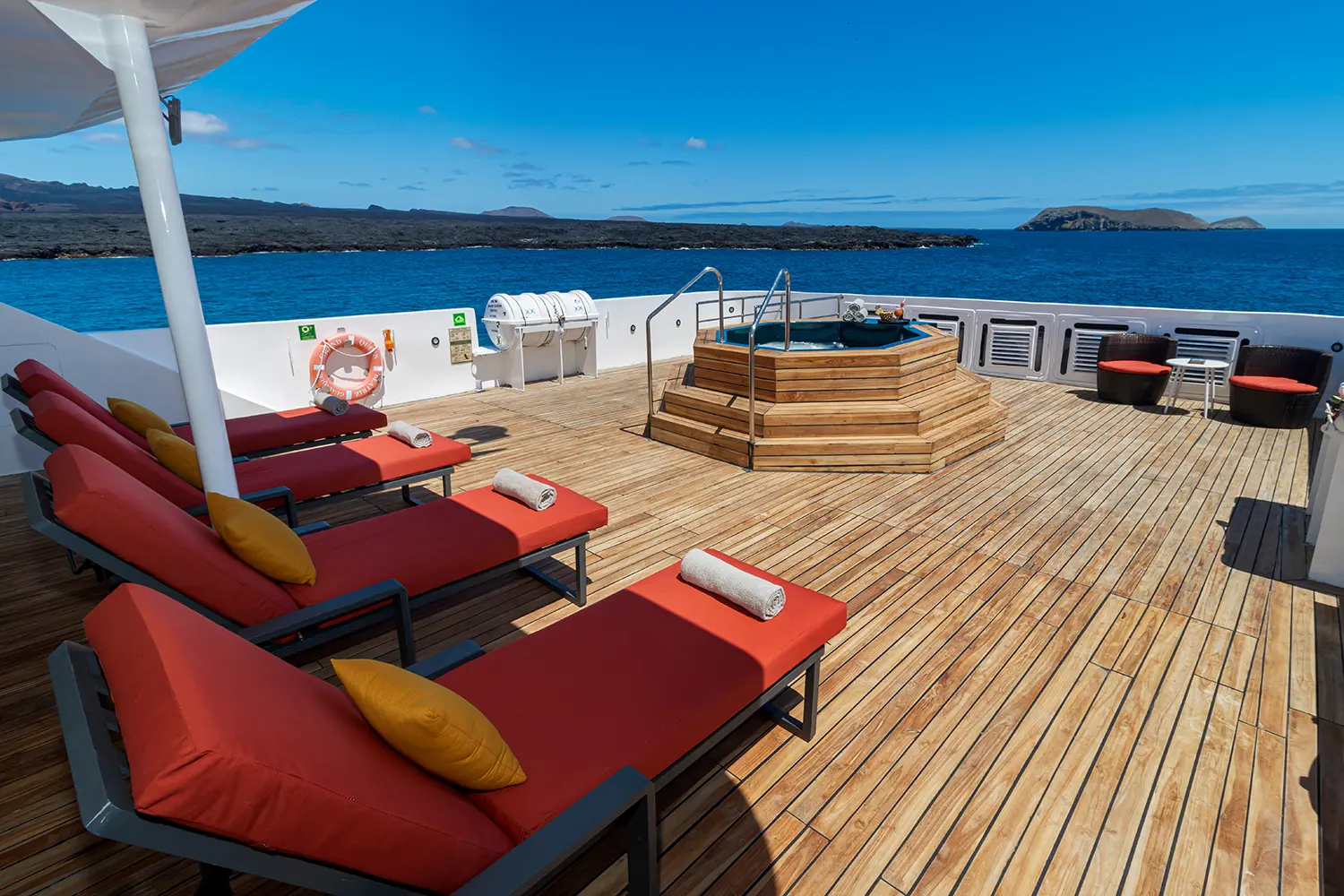
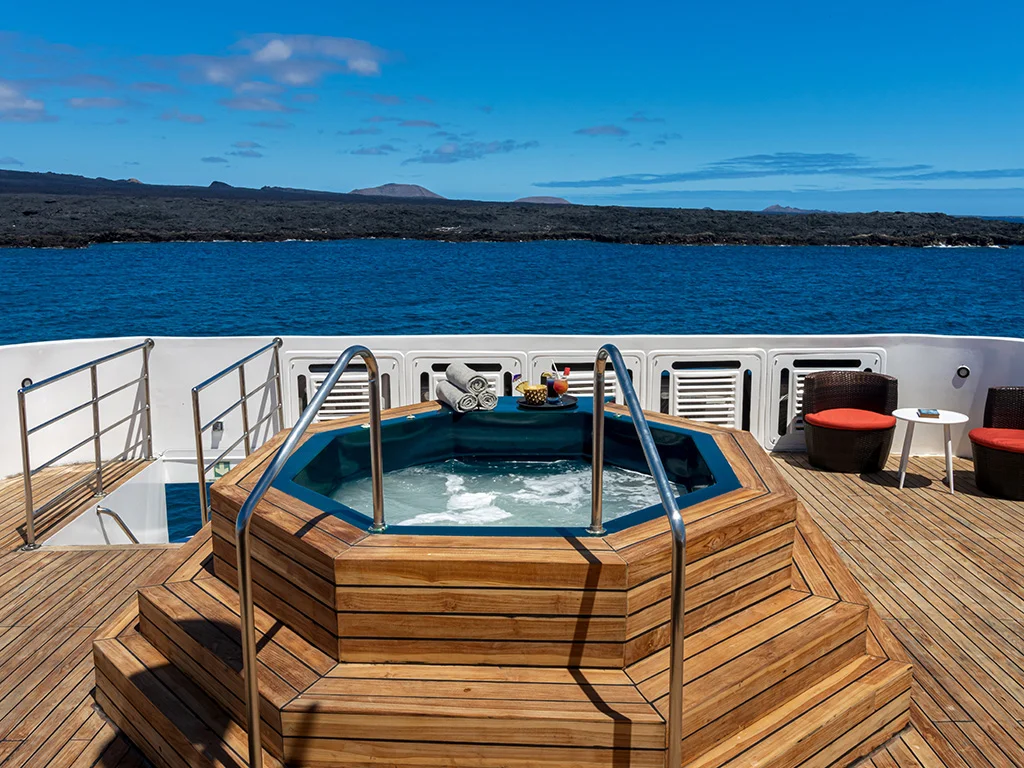
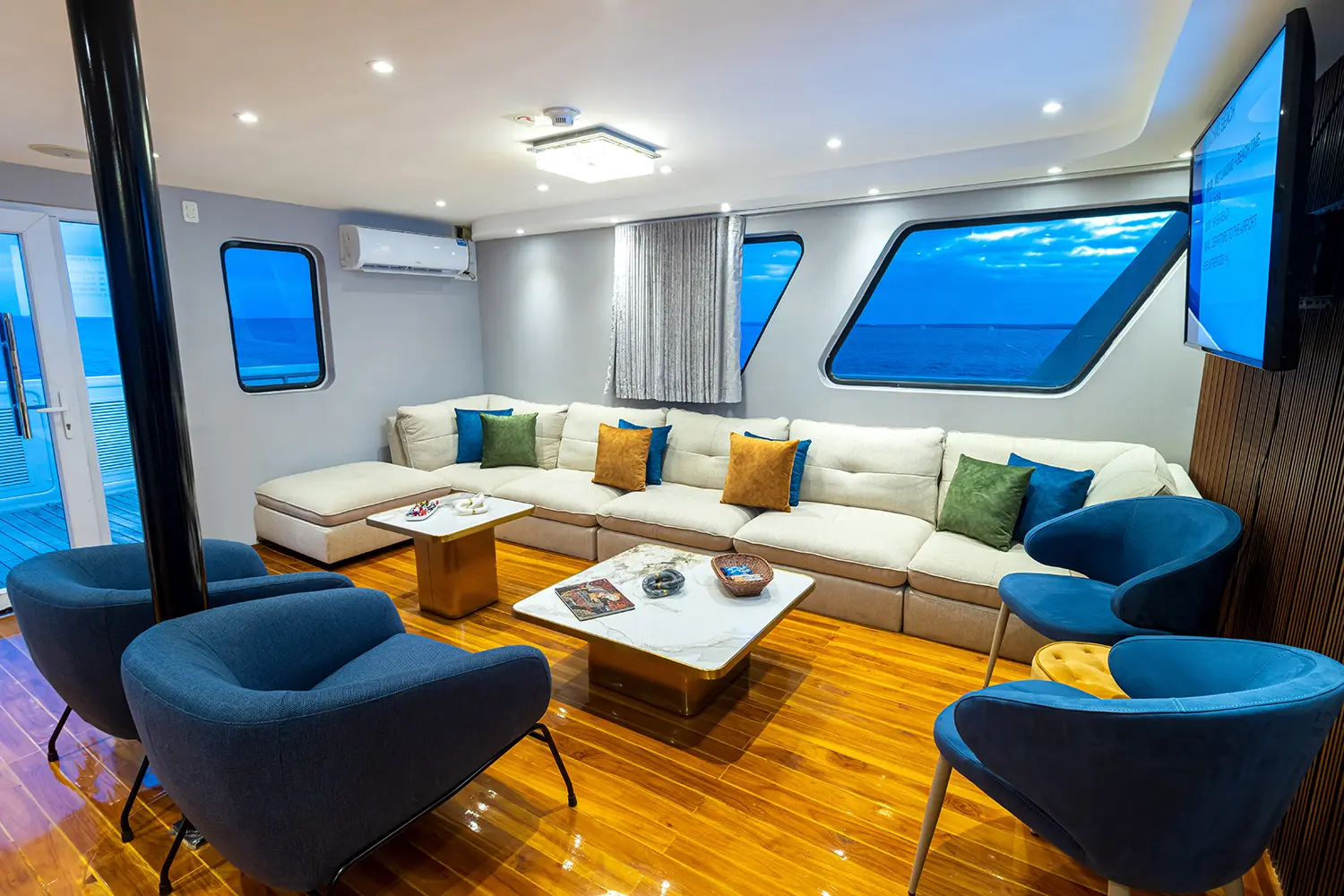
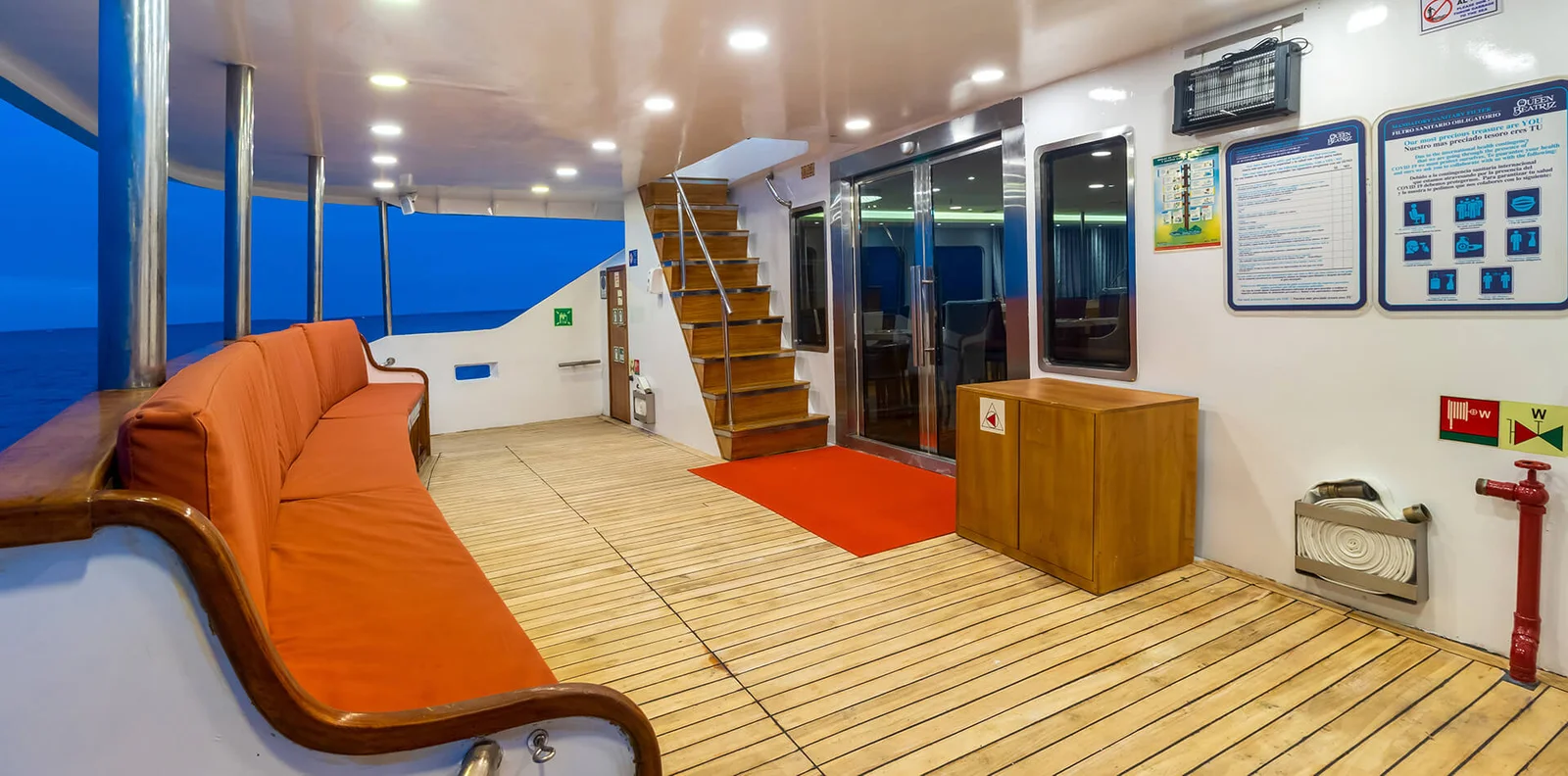
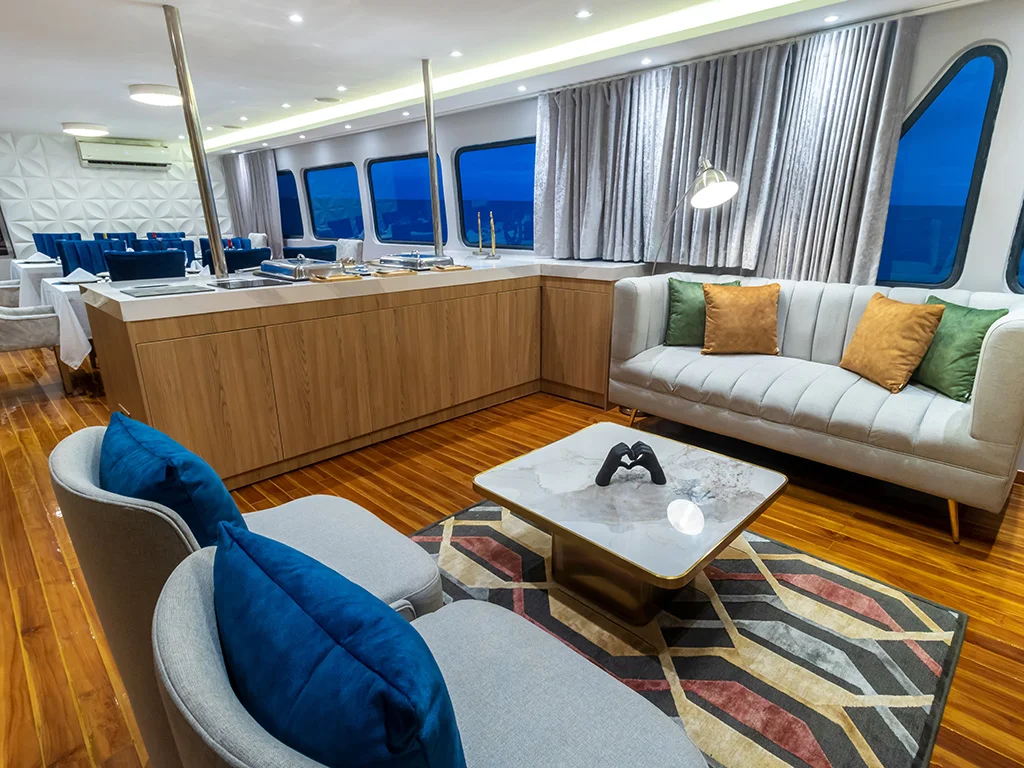
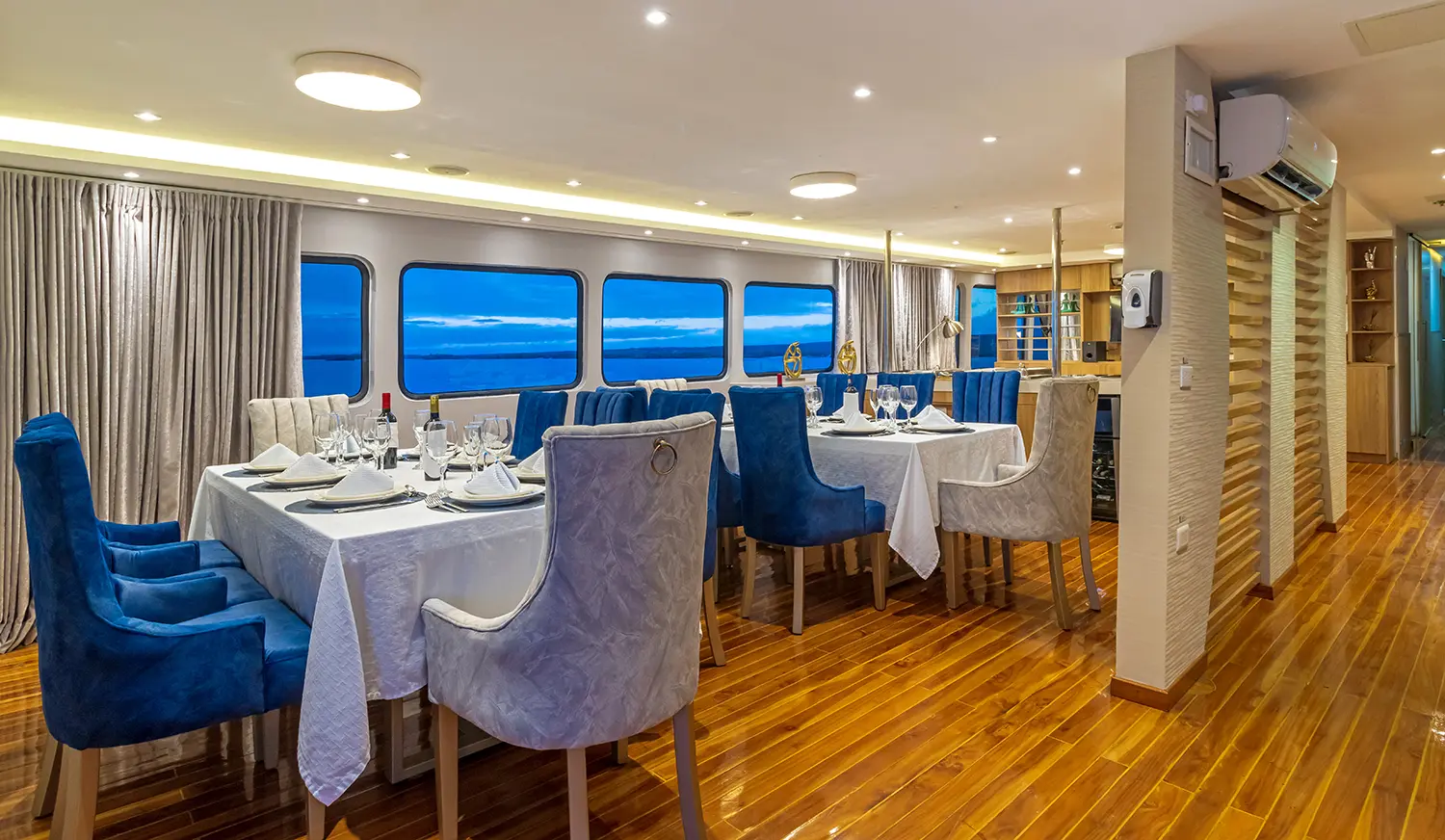
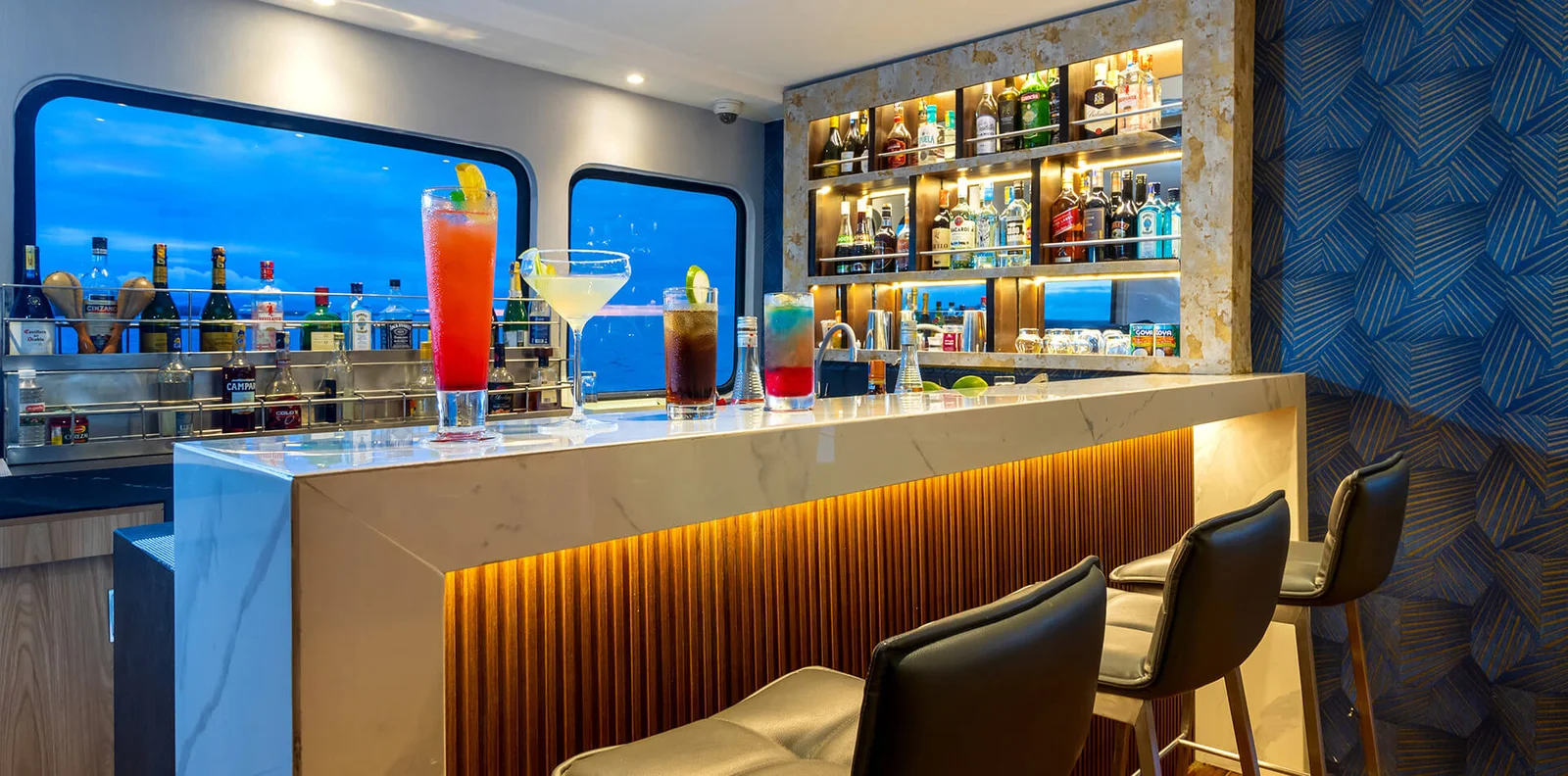
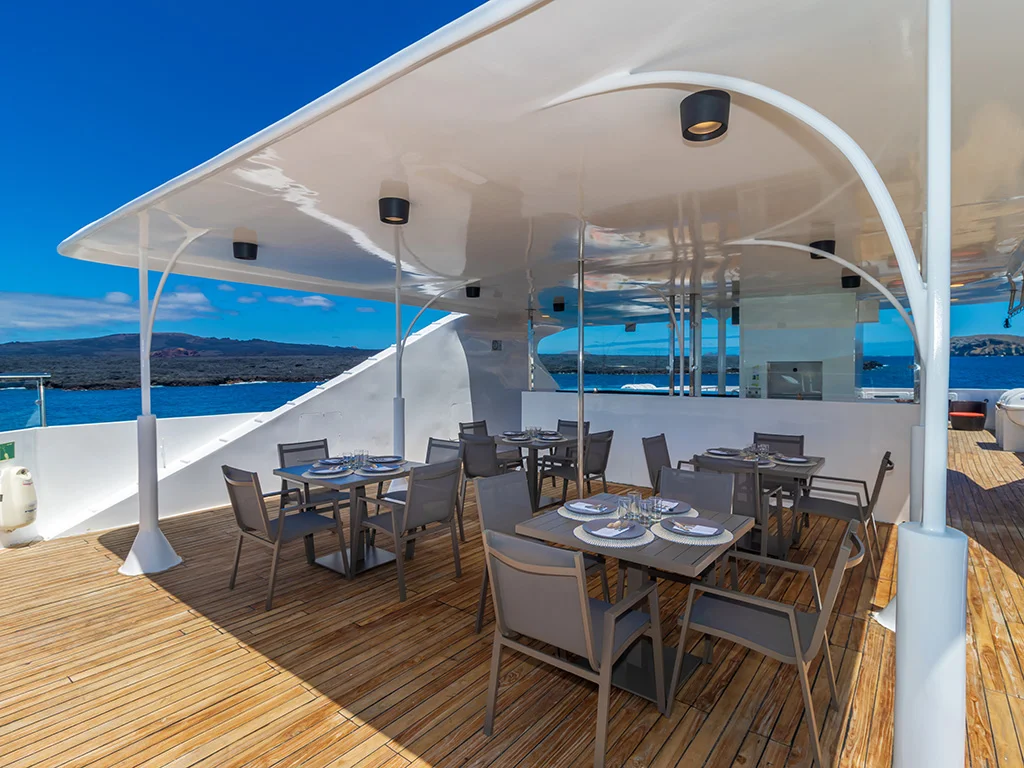
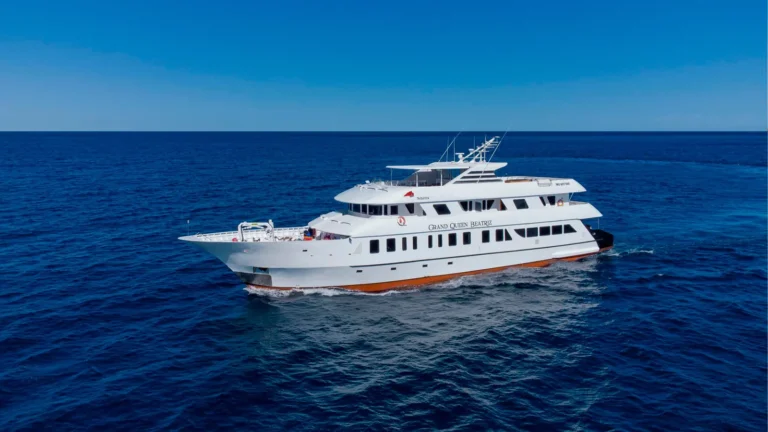
Experience the ‘Enchanted Islands’ in our new custom-built Galapagos Tourist Superior boat, the Grand Queen Beatriz.
$2.200,00 – $4.500,00Price range: $2.200,00 through $4.500,00
Welcome to the Galapagos!
Today you will be meeting other travellers arriving from Quito or Guayaquil at Baltra Airport. You will be met in the arrival hall of the airport by a National Park Guide, and transferred to the motor yacht ‘M.Y Grand Queen Beatriz’. Lunch will be served on the boat.
Your first stop in the afternoon will be Punta Carrion, located in north eastern Santa Cruz. This is a shallow and protected cove, ideal for your first snorkel and swim in the Galapagos! Wildlife is plentiful; keep your eyes peeled for blue-footed boobies, Galapagos herons, great blue herons and underwater swim among rays and white-tipped reef sharks.
Accommodation
M/Y Grand Queen Beatriz (1 night)
Meals
Lunch
Dinner
Included activities
Isla Santa Cruz – Punta Carrion – Snorkelling (1 hour)
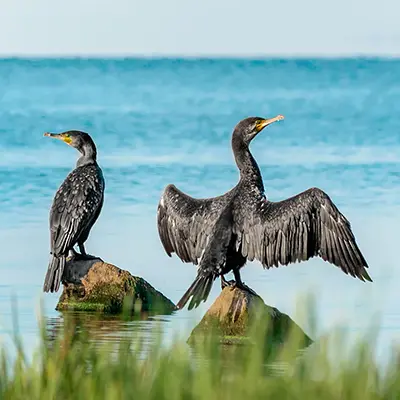
Today you will wake up on the South Coast of Isla Isabela, the largest of the Galapagos Archipelago. Isabela was formed by five giant volcanic craters, all of which are still considered active. The island is located in one of the youngest geological areas in the world, having been formed less than 1 million years ago.
This southern coast of turquoise blue waters has the largest area of beaches in the Galapagos. You will visit Las Tintoreras, where from the viewing walkway you can look down into this narrow channel to see a colony of white-tipped reef sharks swimming and sleeping, and the occasional playful sea lion among them!
Blue-footed boobies and penguins, marine iguanas and crabs also make their home here, and the waters provide further opportunities to swim with turtles. Here you will also visit the Giant Tortoise breeding center and the Wall of Tears, constructed from lava by prisoners of the penal colony here between 1946 and 1959 as punishment.
Please note there’s a US$5 fee to be paid upon entering Isla Isabela.
Accommodation
M/Y Grand Queen Beatriz (1 night)
Meals
Breakfast
Lunch
Dinner
Included activities
Isla Isabela – Las Tintoreras visit (1.5 hours) – Dry Landing
Isla Isabela – Arnolda Tupiza Tortoise Breeding Center including Flamingo Lagoon (2 hours) – Dry Landing
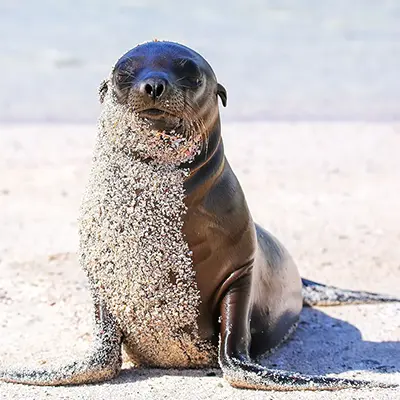
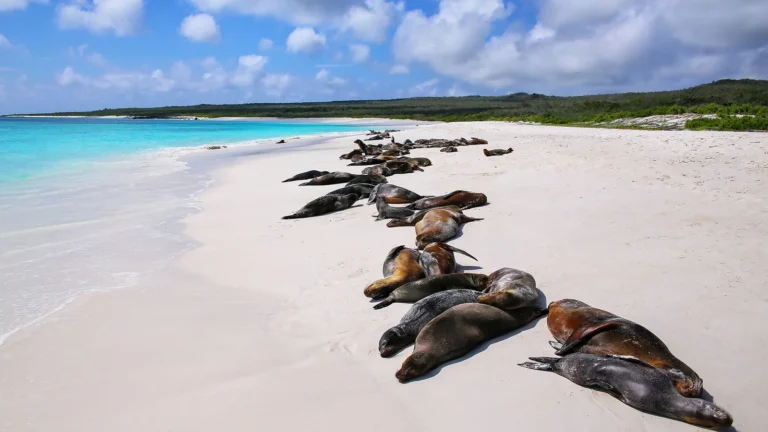
The island of Floreana is a highlight of any Galapagos cruise, rich in natural wonders and wildlife. You will go ashore at Punta Cormorant where the sand is made up of fine olivine crystals, a glassy volcanic mineral, giving the beach an olive-green color. It is the best place to see Galapagos sea lions.
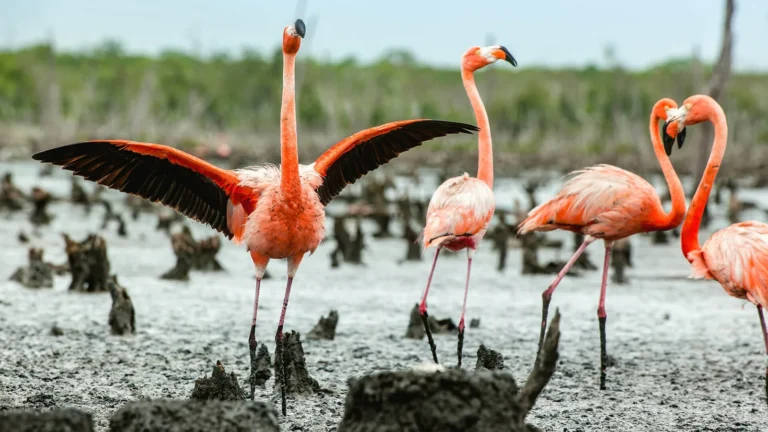
Today is also one of your finest opportunities to see pink flamingos and other water birds wading in the lagoons, including pintails and stilts. Just offshore, the Devil’s Crown is an old eroded volcanic cone and a popular roosting site for seabirds such as boobies, pelicans and frigates. Red-billed tropicbirds can also be seen nesting in the rocky crevices.
The center of the cone is an outstanding snorkeling spot, perhaps the most remarkable in the entire archipelago, full of sea lions and colorful fish. Floreana is also home to Post Office Bay, where 18th century whalers used a barrel as an unofficial mail drop. This custom continues to this day with visitors to the Galapagos – post one of your own, or see if there are any you could deliver back home!
Accommodation
M/Y Grand Queen Beatriz (1 night)
Meals
Breakfast
Lunch
Dinner
Included activities
Isla Floreana – Post Office Bay – Walk (1.5 hours) – Wet Landing
Isla Floreana – Punta Cormorant walk (1.5 hours) – Wet Landing
Isla Floreana – Devil’s Crown snorkelling (1 hour)
Isla Floreana – Post Office Bay snorkelling (45 mins)
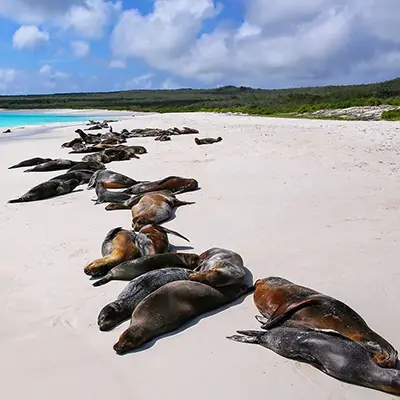
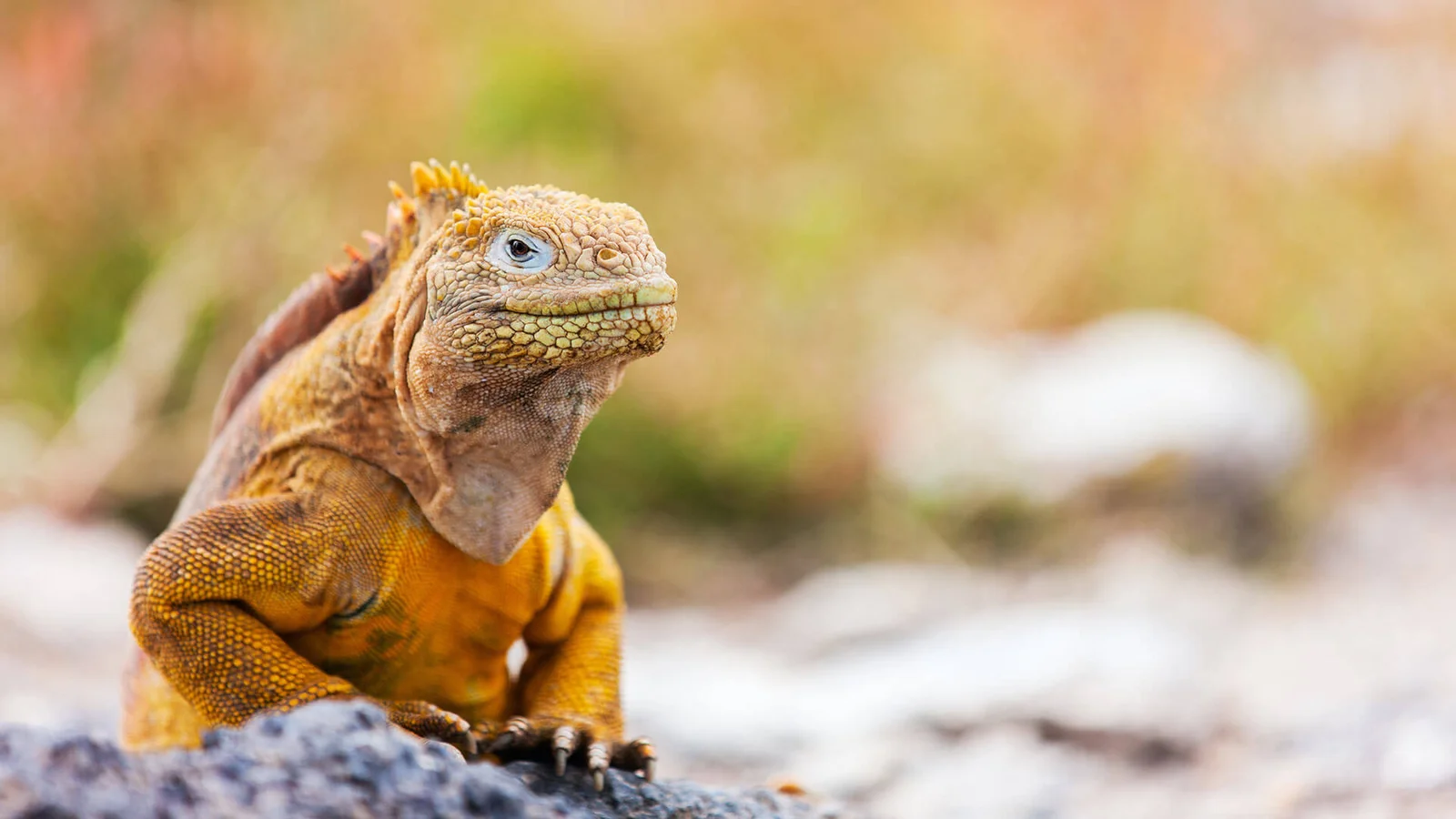
Today you will visit Santa Cruz, the second largest island in the Galapagos. The small town of Puerto Ayora is the economic center of the archipelago, and home to the Charles Darwin Research Station. As well as undertaking vital conservation work, the station also makes for interesting exploration and offers the best opportunities for close encounters with giant tortoises. You will also observe baby tortoises and land iguanas.
Afterward you will head up into the highlands for a total change of scenery. Beginning at the coast you’ll travel across Santa Cruz through the agricultural region and into the misty forests. This is a lush humid zone containing miconia bushes, scalesia and inactive volcanic cones. Santa Cruz has more endemic plants than any of the other islands and you are likely to see Galapagos giant tortoises in their natural habitat and
perhaps even the bright red feathers of a vermillion flycatcher!
Accommodation
M/Y Grand Queen Beatriz (1 night)
Meals
Breakfast
Lunch
Dinner
Included activities
Isla Santa Cruz – Charles Darwin Research Station (1 hour) – Dry Landing
Isla Santa Cruz – Highlands Visit (1.5 hours) – Dry Landing
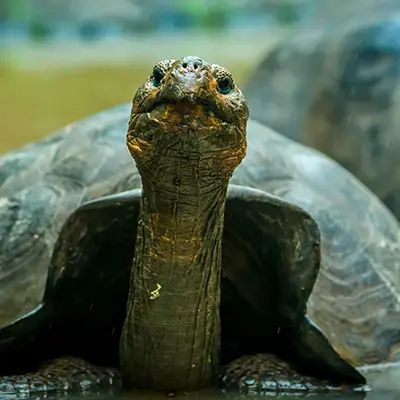
Santa Fe is home to more sea lions, and these ones are very eager for swimming partners! It’s a lovely place to take a dip, and the landscape on the inland trails is also beautiful, with cacti forests home to a unique sub-species of land iguanas. Hiking towards the cliffs on Santa Fe will lead you to a forest of prickly pear cactus.
A member of the cactus family, their name comes from the pear shaped fruit the plant produces. Santa Fe is home to endemic land iguanas. Once back at the beach you will have free time to snorkel back in the lagoon. Playful sea lions pups and florescent fish make for fascinating company.
A small island, Plaza Sur is nonetheless a place of great beauty, where you will get close to sea lions and onto trails past one of the Galapagos’ largest land iguana populations, resting amid cacti and volcanic landscapes colored bright red and green by sesuvium. The island’s rugged southern cliffs are an excellent place to spot tropicbirds and swallow-tailed gulls, as well as ‘the gentlemen’s club’, a gathering of male sea lions either too young or too old to be beach masters!
Accommodation
M/Y Grand Queen Beatriz (1 night)
Meals
Breakfast
Lunch
Dinner
Included activities
Isla Plaza Sur – Walk (2 hours) – Dry Landing
Isla Santa Fe – Panga ride (45 mins)
Isla Santa Fe – Walk (1.5 hours) – Wet Landing
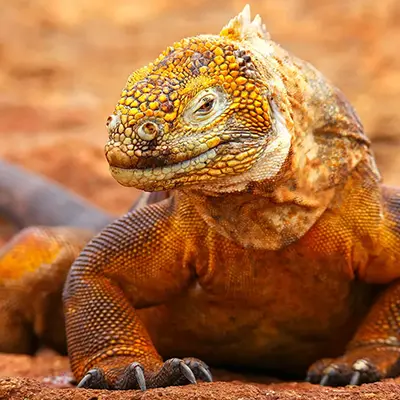
Today you will cruise to the island of Española – the southernmost island of the Galapagos and one of the most spectacular. Because of its remote location, this island has a large population of endemic fauna. It is the breeding site for nearly all of the world’s 12,000 pairs of waved albatrosses and also home to colonies of blue-footed and masked boobies.
Trails from the golden beaches, where sea lions bathe and marine iguanas make their way towards the water, will lead you right through the middle of booby colonies, and Galapagos doves and mockingbirds are also often seen. You will also visit the beautiful white sandy beaches at Bahia Gardner, which are great places for swimming and relaxing. The rocks off the coast provide excellent snorkeling opportunities, with reef sharks, turtles and many species of tropical fish, including surgeon and angelfish, often seen. The small white-tipped reef sharks are also often spotted resting under the rocks.
You will also pay a visit to Punta Suarez, one of the most attractive locations in the Galapagos and home to large and varied wildlife population – a walk along its trails will take you to a cliff top viewpoint, where you’ll gain a magical panorama. Boobies line the rocky shoreline beneath you, while frigate birds may be seen overhead; nearby enormous male sea lions can be seen lounging and albatross use the cliffs as their ‘runway’, helping become airborne by the southeast winds that blow across this part of the island.
If you’re lucky you’ll see the elaborate courtship rituals performed by albatrosses before the female chooses her lifelong mate!
Accommodation
M/Y Grand Queen Beatriz (1 night)
Meals
Breakfast
Lunch
Dinner
Included activities
Isla Espanola – Punta Suarez – Walk (3 hours) – Dry Landing
Isla Espanola – Bahia Gardener – Snorkel (1 hour)
Isla Espanola – Bahia Gardener – Walk (1 hours) – Wet Landing
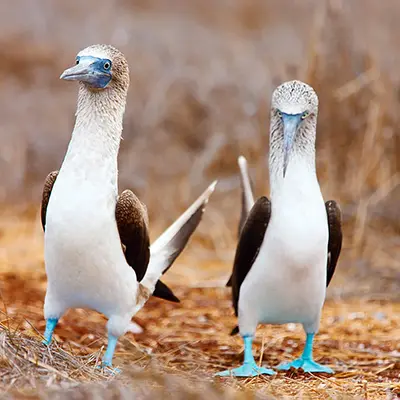
This morning you will visit Punta Pitt on the eastern end of San Cristobal Island. Walk to the top of the volcanic hill for expansive views of the sparsely vegetated area. A variety of seabirds nest here, including blue-footed boobies and frigates. On a ‘panga’ ride you can observe the three varieties of boobies nesting in the Galapagos and enjoy a snorkel from the beach.
Close by you will pass through Leon Dormido (Kicker Rock), which is a magnificent rock in the middle of the sea, the shape resembles a sleeping lion. The rock rises 150 meters above the surface and is divided into two parts by a narrow channel. You cruise through the channel with nesting seabirds on either side of the boat, tropic birds overhead, marine iguanas in the water and many sea lions present including many resting on the rocks.
You will also visit Isla Lobos, a tiny island almost touching San Cristobal Island. This is the perfect time to witness the always friendly sea lions as they play in the calm shallow waters here. Blue-footed boobies, frigate birds and marine iguanas are also easily seen.
Accommodation
M/Y Grand Queen Beatriz (1 night)
Meals
Breakfast
Lunch
Dinner
Included activities
Isla San Cristobal – Punta Pitt – Walk (2 hours) – Wet Landing
Isla San Cristobal – Isla Lobos – Walk (1 hour) – Dry Landing
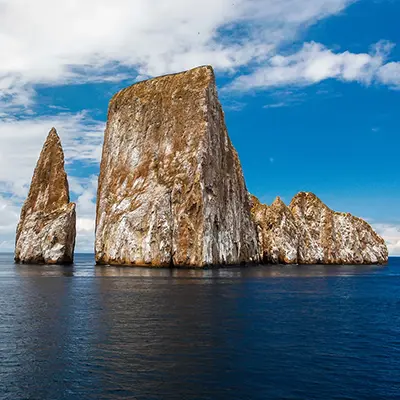
As flights to the mainland from Galapagos depart mid-morning, it is an early start for our last morning on the islands. Depending on the time of our flight, our time spent on this final excursion could be limited. Visit the Interpretation Centre in the morning. The center brings the history and geography of the archipelago to life, from its volcanic origins to the present day. The human history exhibit offers an insight into the discovery and colonization of the Galapagos, and the reality of the problems the islands face today is also explored.
This is a great way to complete your time in the Galapagos. This will be your final excursion before you head to the airport in San Cristobal for your flight back to Quito. As you will be leaving the boat this morning, please remember that if you have enjoyed the services provided by your guide and crew, a tip would be very much appreciated by them.
As a guideline we recommend each passenger consider US$15 per day for the crew and US$10 per day for your guide. You can leave tips in envelopes that are placed in your cabin on this last day of your journey.
Meals
Breakfast
Included activities
Isla San Cristobal – Interpretation Center Visit (1 hour) – Dry Landing
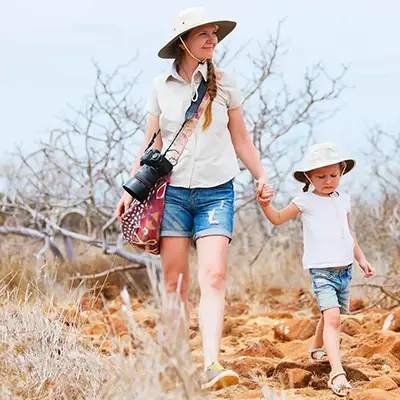
Welcome to the Galapagos!
Today you will be meeting other travellers arriving from Quito or Guayaquil at San Cristobal Airport.
You will be met in the arrival hall of the airport by the National Park Guide, and
transferred to your motor yacht ‘Grand Queen Beatriz’.
This afternoon you will travel into the interior of the island to visit the highlands site of ‘Galapaguera of Cerro Colorado’ (Red Hill) where the national park has established a breeding program and information center for tortoises. Here, we will be able to see giant tortoises in their natural habitat and learn all about their origin, evolution and their threatened future.
Accommodation
M/Y Grand Queen Beatriz (1 night)
Meals
Lunch
Dinner
Included activities
Isla San Cristobal – Highlands Walk (1.5 hours) – Dry Landing
Bartolomé is a relatively new island in the archipelago and traces of its volcanic past can be seen everywhere, as evidenced by the amazing lunar-like landscape.
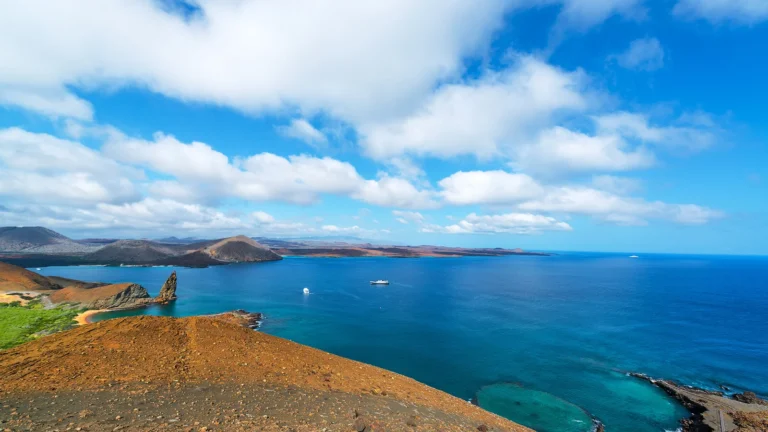
The Pinnacle Rock is one of the most photographed sites in the Galapagos – an abrupt jag of rock protruding from the earth like a tooth, while nearby two golden bays back onto each other.
You can hike to the top of a once-active volcano here, and enjoy superb views across to Sullivan Bay, on nearby Santiago Island.
Accommodation
M/Y Grand Queen Beatriz (1 night)
Meals
Breakfast
Lunch
Dinner
Included activities
Isla Santiago – Sullivan Bay – Walk (1.5 hours) – Dry Landing
Isla Bartolome – Walk (1.5 hours) – Dry Landing
Isla Bartolome – Snorkelling (1.5 hours)
Isla Bartolome – Panga ride (30 mins)
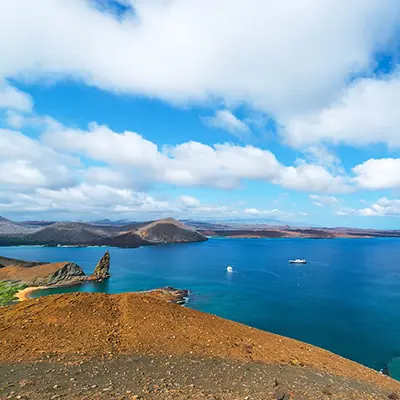
Today you will visit some wonderful places. Espumilla Beach, on the northern coast of Santiago Island in James Bay, is one of the most idyllic locations in the Galapagos Islands and is an important nesting site for marine turtles. Espumilla beach is also well known for its Palo Santo Forest and some extraordinary lava formations.
This morning you will also visit Caleta Bucanero (Buccaneer Cove), a natural monument of rocks caused by sea erosion. This cove was used by pirates to careen their ships. It is a place of local legends and stories! Port Egas is a black sand beach located on the west side of James Bay and northwest of Santiago Island.
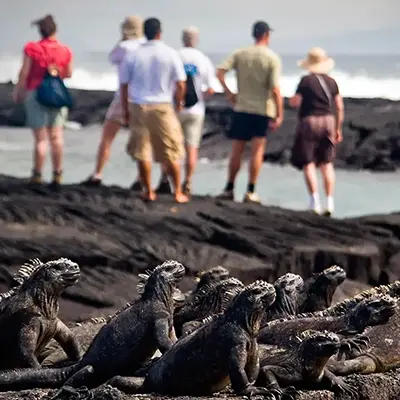
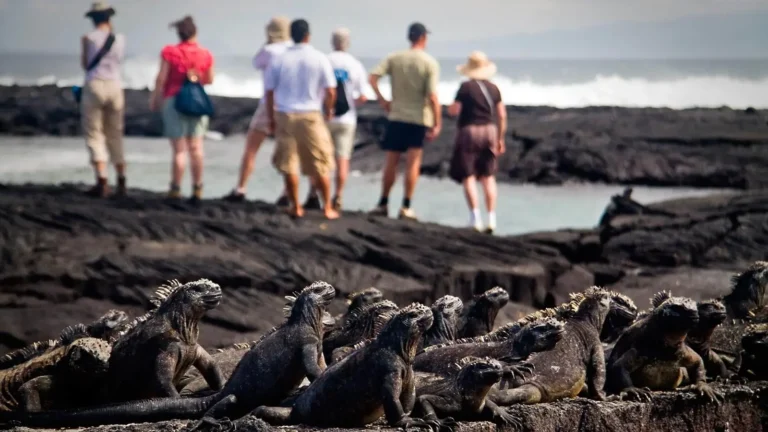
South of the beach is Sugarloaf Volcano, which has deposits of volcanic tuff. This site is named Puerto Egas, after Hector Egas who last attempted to mine salt here. The walk along the beach offers hundreds of marine iguanas, California sea lions and Galapagos fur sea lions.
Accommodation
M/Y Grand Queen Beatriz (1 night)
Meals
Breakfast
Lunch
Dinner
Included activities
Isla Santiago – Puerto Egas – Walk (1.45 hours) – Wet Landing
Isla Santiago – Puerto Egas – Snorkelling (1 hour)
Isla Sanitago – Espumilla Beach – Panga ride or Snorkelling (45 mins)
Isla Sanitago – Buccaneer’s Cove – Panga Ride (45 mins)
Today you will visit Santa Cruz, the second largest island in the Galapagos. The small town of Puerto Ayora is the economic center of the archipelago, and home to the Charles Darwin Research Station. As well as undertaking vital conservation work, the station also makes for interesting exploration and offers the best opportunities for close encounters with giant tortoises.
You will also observe baby tortoises and land iguanas. Afterward you’ll head up into the highlands for a total change of scenery. Beginning at the coast you will travel across Santa Cruz through the agricultural region and into the misty forests. This is a lush humid zone containing miconia bushes, scalesia and inactive
volcanic cones.
Santa Cruz has more endemic plants than any of the other islands and you are likely to see Galapagos giant tortoises in their natural habitat and perhaps even the bright red feathers of a vermillion flycatcher!
Accommodation
M/Y Grand Queen Beatriz (1 night)
Meals
Breakfast
Lunch
Dinner
Included activities
Isla Santa Cruz – Charles Darwin Research Station (1 hour) – Dry Landing
Isla Santa Cruz – Highlands Visit (1.5 hours) – Dry Landing
Today you will take a morning excursion to North Seymour. The trail on North Seymour crosses the inland through the island and then explores the rocky coast. Along the way the trail passes colonies of blue footed boobies and frigate birds.
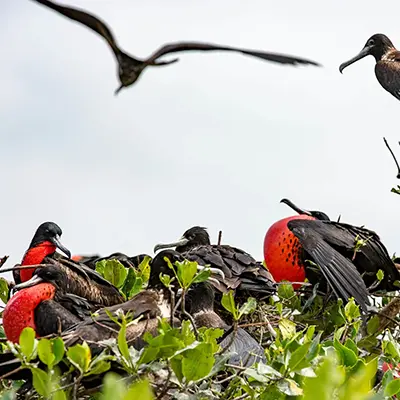
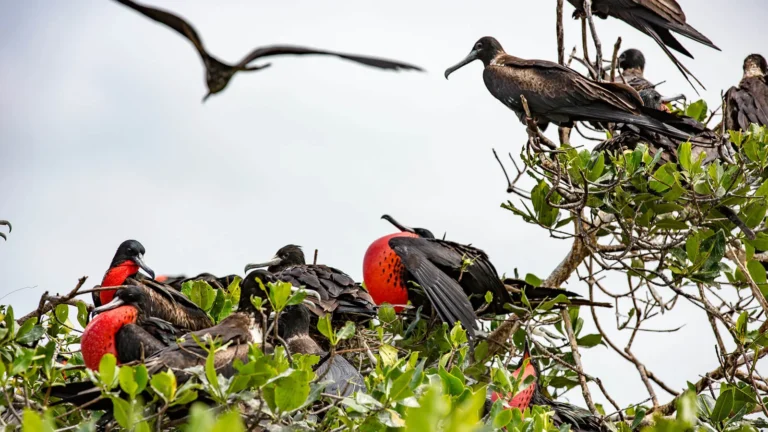
The magnificent frigate bird, a large black bird with a long wingspan, and a hooked beak, is extremely fast and has excellent vision. Frigate birds are known for the large red pouch on their necks. During mating season the males throw back their heads, inflate the pouch (sometimes to the size of a soccer ball), and shake trying to capture the attention of female frigates.
Boobies and frigates have an interesting relationship. Sharing the same nesting area on North Seymour, blue-footed boobies nest on the ground making their nests from the twigs of the palo santos trees, while the frigate birds nest just above them in the saltbushes.
After lunch you will visit the small sandy island of Mosquera, it’s a relaxing, picturesque stop. Along the rocks and in the tide pool, sally lightfoot crabs (red lava crabs) scamper back and forth, skipping across small pools of water in search of food. These crabs with their bright red shell tops and blue under shells are
stunning against the black lava.
Accommodation
M/Y Grand Queen Beatriz (1 night)
Meals
Breakfast
Lunch
Dinner
Included activities
Isla North Seymour – Walk (2 hours) – Dry Landing
Isla North Seymour – Snorkelling (1 hours)
Isla Mosquera – Snorkelling (1 hour)
Isla Mosquera – Beach Walk (1.5 hours) – Wet Landing
Today you will take a morning excursion to Caleta Tortuga Negra (Black Turtle Cove) – a red mangrove wetland on the north shore of Santa Cruz Island. You will paddle among the cove’s peaceful waters, for your first taste of the underwater riches of this region – it’s a wonderful place to see green turtle and is a nursery for rays and Galapagos sharks.
There is also abundant birdlife, such as the yellow warbler and lava heron. This is also a breeding area for turtles, so it is not uncommon to see them mating. Go for a walk on Cerro Dragón (Dragon Hill) this afternoon, this is one of the best places to see land iguanas in the islands. You’ll walk along the trail from the beach, and along with the land iguanas, other sightings include marine iguanas, flamingos and Sally Lightfoot crabs.
Accommodation
M/Y Grand Queen Beatriz (1 night)
Meals
Breakfast
Lunch
Dinner
Included activities
Isla Santa Cruz – Black Turtle Cove – Panga ride (1.5 hours)
Isla Santa Cruz – Cerro Dragon – Walk (1.5 hours) – Dry Landing
Isla Santa Cruz – Cerro Dragon – Snorkelling or swimming (1 hour)
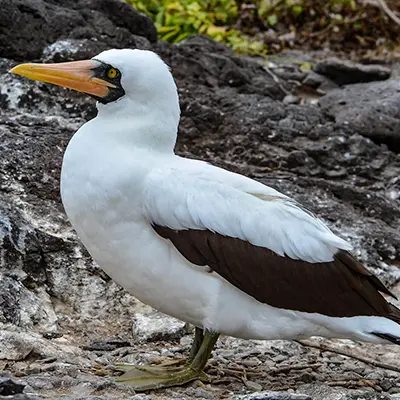
Rabida, also known as ‘Jervis’ is a tiny island sitting roughly five kilometers south of Santiago and is one of the most striking of the archipelago. Introduced species were eradicated in 1971, meaning that the indigenous wildlife has now been returned to a state of splendid isolation. Additionally, volcanic activity here has produced vivid, fantastical colors, not least the beaches of red sand and cliffs of scarlet.
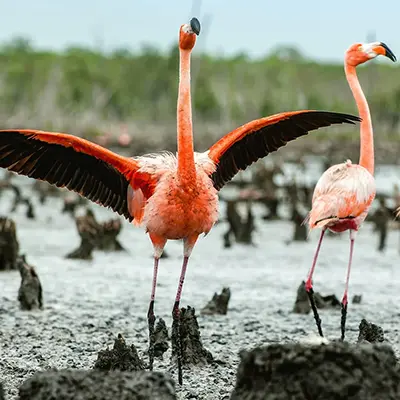
From the shore, the trail leads through to what is one of the finest lagoons in the Galapagos for viewing flamingos. Rabida is also a wonderful place to spot nesting pelicans. Elsewhere, pintail ducks, marine iguanas and sea lions are all present.
Sombrero Chino is a small islet located near the south-east coast of Santiago. It’s shaped like a Chinese hat (Sombrero Chino) when seen from afar, and is geologically fascinating, with many lava tubes leading from the cone to the coast.
Accommodation
M/Y Grand Queen Beatriz (1 night)
Meals
Breakfast
Lunch
Dinner
Included activities
Isla Santiago – Sombrero Chino – Snorkelling (1 hour)
Sombrero Chino – Walk and Panga ride (2 hours) – Wet Landing
Isla Rabida – Snorkelling (1 hour)
Isla Rabida – Walk (1.5 hours) – Wet Landing
As flights to the mainland from Galapagos depart mid-morning, it is an early start for our last morning on the islands. Depending on the time of our flight, our time spent on this final excursion could be limited.
Today you will take an early morning excursion to Las Bachas, which was so named after the barges abandoned by the American Navy here in the 1940s. The sandy, white beaches of Las Bachas on the north shore of Santa Cruz Island are a nesting site for the Pacific green turtle, and marine iguanas are also commonly seen. The sand here is particularly white and soft as it is made of decomposed coral.
The rocks provide great snorkeling and are the perfect habitat for the Sally Lightfoot crabs, which are plentiful on the island. A saltwater lagoon near to the beach is home to flamingo and whimbrel, and look out too for great blue herons. This is your final excursion before you return to the airport in Baltra for your flight back to Quito.
As you will be leaving the boat this morning, please remember that if you have enjoyed the services provided by your guide and crew, a tip would be very much appreciated by them. As a guideline we recommend each passenger consider US$15 per day for the crew and US$10 per day for your guide. You can leave tips in envelopes that are placed in your cabin on this last day of your journey.
Meals
Breakfast
Included activities
Isla Santa Cruz – Bachas Beach Walk (1 hour) – Wet Landing
Isla Santa Cruz – Bachas Beach Snorkel (1 hour) – Wet Landing
Welcome to the Galapagos!
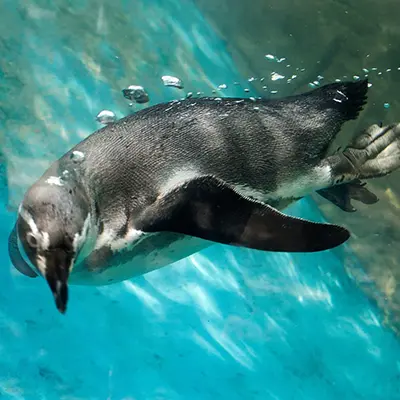
Today you will be meeting other travellers arriving from Quito or Guayaquil at Baltra Airport. You will be met in the arrival hall of the airport by a National Park Guide, and transferred to the motor yacht ‘M.Y Grand Queen (look out for ‘Grand Queen Beatriz’ signs) by a transfer guide and transferred to our motor yacht – ‘M.Y. Grand Queen Beatriz’, anchored on the other side of Santa Cruz Island. Our transfer guide will take you on an airport public bus for a short distance (10 minute drive) to where you board a public ferry across the Itabaca Channel. The ferry crossing takes only 7 minutes.
(Please note that all public transportation costs are included). Once you reach Santa Cruz Island, a private bus you board a private bus for a 45-minute drive to Puerto Ayora, the main port of the island. Here, there will be two dinghies to transport you and your fellow travelers to the ‘MC. Queen Beatriz’. Once on
board, cabins will be assigned and you get to meet our crew members and get to know your naturalist guide while enjoying a delicious lunch.
After lunch you embark on your first excursion and head into the highlands of Santa Cruz for a total change of scenery. Beginning at the coast you travel across Santa Cruz through the agricultural region and into the misty forests, where you can see the unique scalesia cloud forest and spend time observing giant tortoises in their natural habitat. Look out for the abundant bird life including different species of Darwin finches, woodpeckers, warbler finches and vermillion flycatchers.
Accommodation
M/Y Grand Queen Beatriz (1 night)
Meals
Lunch
Dinner
Included activities
Isla Santa Cruz – Highlands Visit (1.5 hours) – Dry Landing
Santa Fe Island is home to many sea lions and these ones are very eager for swimming partners! It’s a lovely place to take a dip, offers a dense concentration of wildlife, and is a fantastic place to see many of the stars of the Galapagos in one relatively small area. Expect to see Galapagos hawks, land iguanas, a variety of finches, Galapagos mockingbirds, sea lions, marine turtles, frigate birds, Galapagos doves and lava lizards. It’s a naturally beautiful island as well with one of the most attractive coves in the archipelago and the jade- green waters are ideal for snorkeling. A trail follows the coast into the opuntia forest, where you see Santa Fe’s trees – the largest in the Galapagos.
The island is also home to a unique sub-species of land iguanas. Hiking towards the cliffs on Santa Fe will lead you to a forest of prickly pear cactus. A member of the cactus family, their name comes from the pear-shaped fruit the plant produces. Santa Fe is home to endemic land iguanas. Once back at the beach you will have free time to snorkel back in the lagoon. Playful sea lions pups and florescent fish make for fascinating company.
A small island, Plaza Sur is nonetheless a place of great beauty, where you will get close to sea lions and on to trails past one of the Galapagos’ largest land iguana populations, resting amid cacti and volcanic landscapes colored bright red and green by sesuvium. The island’s rugged southern cliffs are an excellent place to spot tropicbirds and swallow-tailed gulls, as well as the ‘Gentlemen’s Club’, a gathering of male sea lions either too young or too old to be beach masters!
Accommodation
M/Y Grand Queen Beatriz (1 night)
Meals
Breakfast
Lunch
Dinner
Included activities
Isla Plaza Sur – Walk (2 hours) – Dry Landing
Isla Santa Fe – Panga ride (45 mins)
Isla Santa Fe – Walk (1.5 hours) – Wet Landing
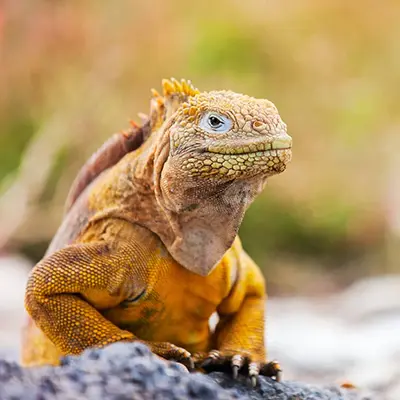
Today you will cruise to the island of Española – the southernmost island of the Galapagos and one of the most spectacular. Because of its remote location, this island has a large population of endemic fauna. It is the breeding site for nearly all of the world’s 12,000 pairs of waved albatrosses and also home to colonies of blue-footed and masked boobies.
Trails from the golden beaches, where sea lions bathe and marine iguanas make their way towards the water, will lead you right through the middle of booby colonies, and Galapagos doves and mockingbirds are also often seen. You will also visit the beautiful white sandy beaches at Bahia Gardner, which are great places for swimming and relaxing. The rocks off the coast provide excellent snorkeling opportunities, with reef sharks, turtles and many species of tropical fish, including surgeon and angelfish, often seen. The small white-tipped reef sharks are also often spotted resting under the rocks.
You will also pay a visit to Punta Suarez, one of the most attractive locations in the Galapagos and home to large and varied wildlife population – a walk along its trails will take you to a cliff top viewpoint, where you’ll gain a magical panorama. Boobies line the rocky shoreline beneath you, while frigate birds may be seen overhead; nearby enormous male sea lions can be seen lounging and albatross use the cliffs as their ‘runway’, helping become airborne by the southeast winds that blow across this part of the island.
If you’re lucky you’ll see the elaborate courtship rituals performed by albatrosses before the female chooses her lifelong mate!
Stop at Bahia Gardner (Gardner Bay), which is considered by many as one of the most beautiful beaches in the Galapagos Islands and full of sea lions and hood mockingbirds. Enjoy the beach and do some snorkeling which could be great for playing with sea lion pups and lots of fish. The rocks off the coast provide excellent snorkeling opportunities, with reef sharks, turtles and many species of tropical fish, including surgeon and angelfish, often seen. The small white-tipped reef sharks are also often spotted resting under the rocks.
Accommodation
M/Y Grand Queen Beatriz (1 night)
Meals
Breakfast
Lunch
Dinner
Included activities
Isla Espanola – Punta Suarez – Walk (3 hours) – Dry Landing
Isla Espanola – Bahia Gardener – Snorkel (1 hour)
Isla Espanola – Bahia Gardener – Walk (1 hours) – Wet Landing
This morning you will visit Punta Pitt on the eastern end of San Cristobal Island. Walk to the top of the volcanic hill for expansive views of the sparsely vegetated area. A variety of seabirds nest here, including blue-footed boobies and frigates.
On a ‘panga’ ride you can observe the three varieties of boobies nesting in the Galapagos and enjoy a snorkel from the beach.
Close by you will pass through Leon Dormido (Kicker Rock), which is a magnificent rock in the middle of the sea, the shape resembles a sleeping lion. The rock rises 150 meters above the surface and is divided into two parts by a narrow channel. You cruise through the channel with nesting seabirds on either side of the boat, tropic birds overhead, marine iguanas in the water and many sea lions present including many resting on the rocks.
You will also visit Isla Lobos, a tiny island almost touching San Cristobal Island. This is the perfect
time to witness the always friendly sea lions as they play in the calm shallow waters here. Blue-footed boobies, frigate birds and marine iguanas are also easily seen.
Accommodation
M/Y Grand Queen Beatriz (1 night)
Meals
Breakfast
Lunch
Dinner
Included activities
Isla San Cristobal – Punta Pitt – Walk (2 hours) – Wet Landing
Isla San Cristobal – Isla Lobos – Walk (1 hour) – Dry Landing
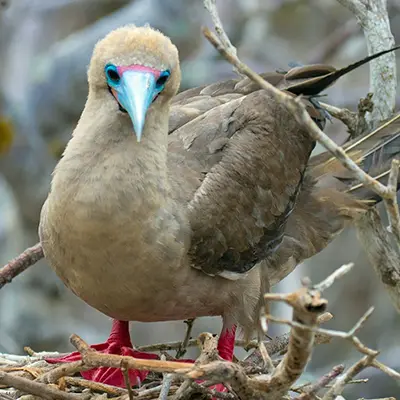
Visit San Cristobal Interpretation Centre in the morning. This center brings the history and geography of the archipelago to life, from its volcanic origins to the present day. The human history exhibit offers an insight into the discovery and colonization of the Galapagos, and the reality of the problems the islands face today is also explored.
This afternoon you will travel into the interior of the island to visit the highlands site of ‘Galapaguera of Cerro Colorado’ (Red Hill) where the national park has established a breeding program and information center for tortoises. Here, you will be able to see giant tortoises in their natural habitat and learn all about their origin, evolution and their threatened future.
Accommodation
M/Y Grand Queen Beatriz (1 night)
Meals
Breakfast
Lunch
Dinner
Included activities
Isla San Cristobal – Interpretation Center Visit (1 hour) – Dry Landing
Isla San Cristobal – Highlands Walk (1.5 hours) – Dry Landing
Isla Bartolomé (Bartolomé Island) is one of the most spectacular volcanic landscapes in the Galapagos, full of parasitic spatter cones, lava flows, Galapagos penguins and lava lizards.
It is a relatively new island in the archipelago and traces of its volcanic past can be seen everywhere, as evidenced by the amazing lunar-like landscape. The Pinnacle Rock is one of the most photographed sites in the Galapagos – an abrupt jag of rock protruding from the earth like a tooth, while nearby two golden bays back onto each other.
You can hike to the top of a once-active volcano here, and enjoy superb views across to Sullivan Bay, on nearby Santiago Island. If you are in luck you might catch a glance of the Galapagos Hawk here. You also have the opportunity to go snorkeling with plenty of tropical fish, starfish, white-tipped reef sharks, rays and hopefully penguins.
On Santiago’s eastern coast sits Bahia Sullivan, also known as James Island. Here you walk on Pahoe-Hoe lava, from an eruption that occurred in 1897, and witness the colonization of plant species since the last eruption. Hopefully see some marine iguanas, Sally Lightfoot crabs, sea lions, finches, turtles, sharks and penguins. On a walk, your guide will explain the geological history of the islands.
Accommodation
M/Y Grand Queen Beatriz (1 night)
Meals
Breakfast
Lunch
Dinner
Included activities
Isla Santiago – Sullivan Bay – Walk (1.5 hours) – Dry Landing
Isla Bartolome – Walk (1.5 hours) – Dry Landing
Isla Bartolome – Snorkelling (1.5 hours)
Today you will visit some wonderful places. Espumilla Beach, on the northern coast of Santiago Island in James Bay, is one of the most idyllic locations in the Galapagos Islands and is an important nesting site for marine turtles. With large waves, it is also often a favorite amongst beach lovers. Potentially we will see Galapagos hawks up close, ghost crabs, blue-footed boobies (often plunging for fish) and brown pelicans. It is also well known for its palo santo forest and some extraordinary lava formations.
This morning you will also visit Caleta Bucanero (Buccaneer Cove), a natural monument of rocks caused by sea erosion. This cove was used by pirates to careen their ships. It is a place of local legends and stories! It is also where Darwin camped for nine days while making his study of the islands and their wildlife. If conditions are favorable, you can enjoy some further snorkeling.
Port Egas is a black sand beach located on the west side of James Bay and northwest of Santiago Island. South of the beach is Sugarloaf Volcano, which has deposits of volcanic tuff. This site is named Puerto Egas, after Hector Egas who last attempted to mine salt here. The walk along the beach offers hundreds of marine iguanas and Galapagos sea lions.
Accommodation
M/Y Grand Queen Beatriz (1 night)
Meals
Breakfast
Lunch
Dinner
Included activities
Isla Santiago – Puerto Egas – Walk (1.45 hours) – Wet Landing
Isla Santiago – Puerto Egas – Snorkelling (1 hour)
Isla Sanitago – Espumilla Beach – Panga ride or Snorkelling (45 mins)
Isla Sanitago – Buccaneer’s Cove – Panga Ride (45 mins)
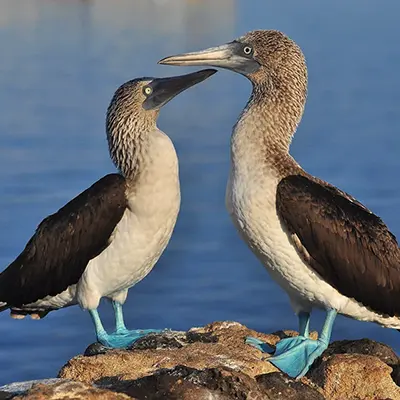
As flights to the mainland from Galapagos depart mid-morning, it is an early start for our last morning on the islands. Depending on the time of our flight, our time spent on this final excursion could be limited.
The small town of Puerto Ayora is the economic hub of the archipelago and is also home to the Charles Darwin Research Station. The station’s visitor center and museum offer a great insight for anyone interested in the archipelago’s natural and human history, and keen to learn more about conservation efforts to preserve the unique ecosystems of the Galapagos. It also offers our best chance for close-up encounters with giant tortoises, and we can see many newborn and young giant turtles – part of the breeding program to reintroduce them to their natural habitat.
This will be your final excursion before you return to the airport in Baltra for your flight back to Quito. As you will be leaving the boat this morning, please remember that if you have enjoyed the services provided by your guide and crew, a tip would be very much appreciated by them. As a guideline we recommend each passenger consider US$15 per day for the crew and US$10 per day for your guide. You can leave tips in envelopes that are placed in your cabin on this last day of your journey.
Meals
Breakfast
Included activities
Isla Santa Cruz – Charles Darwin Research Station (1 hour) – Dry Landing
This morning you will be transferred to the airport for your flight to the Galapagos Islands. Please note the pick-up time will usually be as early as 4am as the airport is a one hour drive and you must allow for delays and check-in times. (Your tour leader will confirm this time with you at the pre-departure meeting on Day 1.
A US$20 per person transit card is payable on departure at Quito Airport and a US$100 per person national park entry fee is payable on arrival on the islands. Please have cash on hand for these transactions as using credit cards can be time consuming.
You will be met in the arrival hall of the airport by a National Park Guide, and transferred to the motor yacht ‘M.Y Grand Queen Beatriz’. Lunch will be served on the boat. This afternoon you will visit Santa Cruz, the second largest island in the Galapagos, here you’ll visit the highlands.
Accommodation
M/Y Grand Queen Beatriz (1 night)
Meals
Lunch
Dinner
Included activities
Isla Santa Cruz – Highlands Visit (1.5 hours) – Dry Landing
Today you will take a morning excursion to North Seymour. The trail on North Seymour crosses the inland through the island and then explores the rocky coast. Along the way the trail passes colonies of blue footed boobies and frigate birds.
The magnificent frigate bird, a large black bird with a long wingspan, and a hooked beak, is extremely fast and has excellent vision. Frigate birds are known for the large red pouch on their necks. During mating season the males throw back their heads, inflate the pouch (sometimes to the size of a soccer ball), and shake trying to capture the attention of female frigates.
Boobies and frigates have an interesting relationship. Sharing the same nesting area on North Seymour, blue-footed boobies nest on the ground making their nests from the twigs of the palo santos trees, while the frigate birds nest just above them in the saltbushes.
After lunch you will visit the small sandy island of Mosquera, it’s a relaxing, picturesque stop. Along the rocks and in the tide pool, sally lightfoot crabs (red lava crabs) scamper back and forth, skipping across small pools of water in search of food. These crabs with their bright red shell tops and blue under shells are stunning against the black lava.
Accommodation
M/Y Grand Queen Beatriz (1 night)
Meals
Breakfast
Lunch
Dinner
Included activities
Isla North Seymour – Walk (2 hours) – Dry Landing
Isla North Seymour – Snorkelling (1 hours)
Isla Mosquera – Snorkelling (1 hour)
Isla Mosquera – Beach Walk (1.5 hours) – Wet Landing
Today you will take a morning excursion to Caleta Tortuga Negra (Black Turtle Cove) – a red mangrove wetland on the north shore of Santa Cruz Island. You will paddle among the cove’s peaceful waters, for your first taste of the underwater riches of this region – it’s a wonderful place to see green turtle and is a nursery for rays and Galapagos sharks.
There is also abundant birdlife, such as the yellow warbler and lava heron. This is also a breeding area for turtles, so it is not uncommon to see them mating. Go for a walk on Cerro Dragón (Dragon Hill) this afternoon, this is one of the best places to see land iguanas in the islands. You’ll walk along the trail from the beach, and along with the land iguanas, other sightings include marine iguanas, flamingos and Sally Lightfoot crabs.
Accommodation
M/Y Grand Queen Beatriz (1 night)
Meals
Breakfast
Lunch
Dinner
Included activities
Isla Santa Cruz – Black Turtle Cove – Panga ride (1.5 hours)
Isla Santa Cruz – Cerro Dragon – Walk (1.5 hours) – Dry Landing
Isla Santa Cruz – Cerro Dragon – Snorkelling or swimming (1 hour)
Rabida, also known as ‘Jervis’ is a tiny island sitting roughly five kilometers south of Santiago and is one of the most striking of the archipelago. Introduced species were eradicated in 1971, meaning that the indigenous wildlife has now been returned to a state of splendid isolation. Additionally, volcanic activity here has produced vivid, fantastical colors, not least the beaches of red sand and cliffs of scarlet.
From the shore, the trail leads through to what is one of the finest lagoons in the Galapagos for viewing flamingos. Rabida is also a wonderful place to spot nesting pelicans. Elsewhere, pintail ducks, marine iguanas and sea lions are all present. Sombrero Chino is a small islet located near the south-east coast of Santiago. It’s shaped like a Chinese hat (Sombrero Chino) when seen from afar, and is geologically fascinating, with many lava tubes leading from the cone to the coast.
Accommodation
M/Y Grand Queen Beatriz (1 night)
Meals
Breakfast
Lunch
Dinner
Included activities
Isla Santiago – Sombrero Chino – Snorkelling (1 hour)
Sombrero Chino – Walk and Panga ride (2 hours) – Wet Landing
Isla Rabida – Snorkelling (1 hour)
Isla Rabida – Walk (1.5 hours) – Wet Landing
Today, take an early morning excursion to Las Bachas, which was so named after the barges abandoned by the American Navy here in the 1940s. The sandy beaches of Las Bachas on the north shore of Santa Cruz are a nesting site for the Pacific green turtle, and home to marine iguanas. The sand here is particularly white and soft as it is made of decomposed coral. The rocks provide great snorkelling and are the perfect habitat for the Sally Lightfoot crabs, which are plentiful on the island. A saltwater lagoon near to the beach is home to flamingo and whimbrel and great blue herons, so keep a look out.
In the afternoon, visit Punta Carrion, located in north-eastern Santa Cruz. This is a shallow and protected cove, ideal for snorkelling. Wildlife is plentiful, so look around for blue-footed boobies, Galapagos herons and great blue herons, and underwater, swim among rays and white-tipped reef sharks.
Accommodation
M/Y Grand Queen Beatriz (1 night)
Meals
Breakfast
Lunch
Dinner
Included activities
Isla Santa Cruz – Punta Carrion – Snorkelling (1 hour)
Isla Santa Cruz – Bachas Beach Walk (1 hour) – Wet Landing
Isla Santa Cruz – Bachas Beach Snorkel (1 hour) – Wet Landing
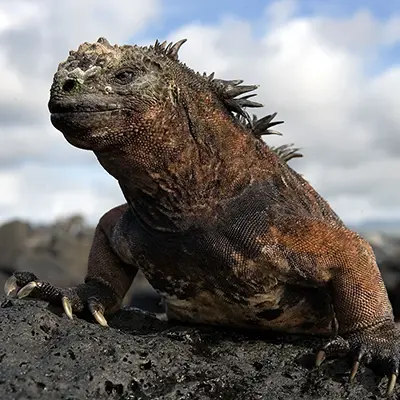
Today you will wake up on the South Coast of Isabela Island, the largest of the Galapagos Archipelago. Isabela was formed by five giant volcanic craters, all of which are still considered active. The island is located in one of the youngest geological areas in the world, having been formed less than 1 million years ago.
This southern coast of turquoise blue waters has the largest area of beaches in the Galapagos. You will visit Las Tintoreras, where from the viewing walkway you can look down into this narrow channel to see a colony of white-tipped reef sharks swimming and sleeping, and the occasional playful sea lion among them!
Blue-footed boobies and penguins, marine iguanas and crabs also make their home here, and the waters provide further opportunities to swim with turtles. Here you will also visit the Giant Tortoise breeding center and the Wall of Tears, constructed from lava by prisoners of the penal colony here between 1946 and 1959 as punishment. Please note there’s a US$20 fee to be paid upon entering Isabela Island.
Accommodation
M/Y Grand Queen Beatriz (1 night)
Meals
Breakfast
Lunch
Dinner
Included activities
Isla Isabela – Las Tintoreras visit (1.5 hours) – Dry Landing
Isla Isabela – Arnolda Tupiza Tortoise Breeding Center including Flamingo Lagoon (2 hours) – Dry Landing
The island of Floreana is a highlight of any Galapagos cruise, rich in natural wonders and wildlife. You will go ashore at Punta Cormorant where the sand is made up of fine olivine crystals, a glassy volcanic mineral, giving the beach an olive-green color. It is the best place to see Galapagos sea lions.
Today is also one of your finest opportunities to see pink flamingos and other water birds wading in the lagoons, including pintails and stilts. Just offshore, the Devil’s Crown is an old eroded volcanic cone and a popular roosting site for seabirds such as boobies, pelicans and frigates. Red-billed tropicbirds can also be seen nesting in the rocky crevices.
The center of the cone is an outstanding snorkeling spot, perhaps the most remarkable in the entire archipelago, full of sea lions and colorful fish. Floreana is also home to Post Office Bay, where 18th century whalers used a barrel as an unofficial mail drop. This custom continues to this day with visitors to the Galapagos – post one of your own, or see if there are any you could deliver back home!
Accommodation
M/Y Grand Queen Beatriz (1 night)
Meals
Breakfast
Lunch
Dinner
Included activities
Isla Floreana – Post Office Bay – Walk (1.5 hours) – Wet Landing
Isla Floreana – Punta Cormorant walk (1.5 hours) – Wet Landing
Isla Floreana – Devil’s Crown snorkelling (1 hour)
Isla Floreana – Post Office Bay snorkelling (45 mins)
As flights to the mainland from Galapagos depart mid-morning, it is an early start for our last morning on the islands. Depending on the time of our flight, our time spent on this final excursion could be limited. The small town of Puerto Ayora is the economic hub of the archipelago and is also home to the Charles Darwin Research Station. The station’s visitor center and museum offer a great insight for anyone interested in the archipelago’s natural and human history, and keen to learn more about conservation efforts to preserve the unique ecosystems of the Galapagos. It also offers our best chance for close-up encounters with giant tortoises, and we can see many newborn and young giant turtles – part of the breeding program to reintroduce them to their natural habitat.
This is your final excursion before you return to the airport in Baltra for your flight back to Quito. As you will be leaving the boat this morning, please remember that if you have enjoyed the services provided by your guide and crew, a tip would be very much appreciated by them. As a guideline we recommend each passenger consider US$15 per day for the crew and US$10 per day for your guide. You can leave tips in envelopes that are placed in your cabin on the last day of your journey.
Meals
Breakfast
Included activities
Isla Santa Cruz – Charles Darwin Research Station (1 hour) – Dry Landing
Welcome to the Galapagos!
Today you will be meeting other travellers arriving from Quito or Guayaquil at Baltra Airport. You will be met in the arrival hall of the airport by a National Park Guide, and transferred to the motor yacht ‘M.Y. Grand Queen Beatriz (look out for ‘Grand Queen Beatriz’ signs) by a transfer guide and transferred to our motor yacht – ‘M.Y. Grand Queen Beatriz’, anchored on the other side of Santa Cruz Island. Our transfer guide will take you on an airport public bus for a short distance (10 minute drive) to where you board a public ferry across the Itabaca Channel. The ferry crossing takes only 7 minutes.
(Please note that all public transportation costs are included). Once you reach Santa Cruz Island, a private bus you board a private bus for a 45-minute drive to Puerto Ayora, the main port of the island. Here, there will be two dinghies to transport you and your fellow travelers to the ‘M.Y. Grand Queen Beatriz’. Once on
board, cabins will be assigned and you get to meet our crew members and get to know your naturalist guide while enjoying a delicious lunch.
After lunch you embark on your first excursion and head into the highlands of Santa Cruz for a total change of scenery. Beginning at the coast you travel across Santa Cruz through the agricultural region and into the misty forests, where you can see the unique scalesia cloud forest and spend time observing giant tortoises in their natural habitat. Look out for the abundant bird life including different species of Darwin finches, woodpeckers, warbler finches and vermillion flycatchers.
Accommodation
M/Y Grand Queen Beatriz (1 night)
Meals
Lunch
Dinner
Included activities
Isla Santa Cruz – Highlands Visit (1.5 hours) – Dry Landing
Santa Fe is home to more sea lions, and these ones are very eager for swimming partners! It’s a lovely place to take a dip, and the landscape on the inland trails is also beautiful, with cacti forests home to a unique sub-species of land iguanas. Hiking towards the cliffs on Santa Fe will lead you to a forest of prickly pear cactus.
A member of the cactus family, their name comes from the pear shaped fruit the plant produces. Santa Fe is home to endemic land iguanas. Once back at the beach you will have free time to snorkel back in the lagoon. Playful sea lions pups and florescent fish make for fascinating company. A small island, Plaza Sur is nonetheless a place of great beauty, where you will get close to sea lions and onto trails past one of the Galapagos’ largest land iguana populations, resting amid cacti and volcanic landscapes colored
bright red and green by sesuvium.
The island’s rugged southern cliffs are an excellent place to spot tropicbirds and swallow-tailed gulls, as well as ‘the gentlemen’s club’, a gathering of male sea lions either too young or too old to be beach masters!
Accommodation
M/Y Grand Queen Beatriz (1 night)
Meals
Breakfast
Lunch
Dinner
Included activities
Isla Plaza Sur – Walk (2 hours) – Dry Landing
Isla Santa Fe – Panga ride (45 mins)
Isla Santa Fe – Walk (1.5 hours) – Wet Landing
Today you will cruise to the island of Española – the southernmost island of the Galapagos and one of the most spectacular. Because of its remote location, this island has a large population of endemic fauna. It is the breeding site for nearly all of the world’s 12,000 pairs of waved albatrosses and also home to colonies of blue-footed and masked boobies.
Trails from the golden beaches, where sea lions bathe and marine iguanas make their way towards the water, will lead you right through the middle of booby colonies, and Galapagos doves and mockingbirds are also often seen. You will also visit the beautiful white sandy beaches at Bahia Gardner, which are great places for swimming and relaxing. The rocks off the coast provide excellent snorkeling opportunities, with reef sharks, turtles and many species of tropical fish, including surgeon and angelfish, often seen. The small white-tipped reef sharks are also often spotted resting under the rocks.
You will also pay a visit to Punta Suarez, one of the most attractive locations in the Galapagos and home to large and varied wildlife population – a walk along its trails will take you to a cliff top viewpoint, where you’ll gain a magical panorama. Boobies line the rocky shoreline beneath you, while frigate birds may be seen overhead; nearby enormous male sea lions can be seen lounging and albatross use the cliffs as their ‘runway’, helping become airborne by the southeast winds that blow across this part of the island.
If you’re lucky you’ll see the elaborate courtship rituals performed by albatrosses before the female chooses her lifelong mate!
Accommodation
M/Y Grand Queen Beatriz (1 night)
Meals
Breakfast
Lunch
Dinner
Included activities
Isla Espanola – Punta Suarez – Walk (3 hours) – Dry Landing
Isla Espanola – Bahia Gardener – Snorkel (1 hour)
Isla Espanola – Bahia Gardener – Walk (1 hours) – Wet Landing
This morning you will visit Punta Pitt on the eastern end of Isla San Cristobal. Walk to the top of the volcanic hill for expansive views of the sparsely vegetated area. A variety of seabirds nest here, including blue-footed boobies and frigates.
On a ‘panga’ ride you can observe the three varieties of boobies nesting in the Galapagos and enjoy a snorkel from the beach. Close by you will pass through Leon Dormido (Kicker Rock), which is a magnificent
rock in the middle of the sea, the shape resembles a sleeping lion. The rock rises 150 meters above the surface and is divided into two parts by a narrow channel.
You cruise through the channel with nesting seabirds on either side of the boat, tropic birds overhead, marine iguanas in the water and many sea lions present including many resting on the rocks. You will also visit Isla Lobos, a tiny island almost touching San Cristobal Island. This is the perfect time to witness the always friendly sea lions as they play in the calm shallow waters here. Blue-footed boobies, frigate birds and marine iguanas are also easily seen.
Accommodation
M/Y Grand Queen Beatriz (1 night)
Meals
Breakfast
Lunch
Dinner
Included activities
Isla San Cristobal – Punta Pitt – Walk (2 hours) – Wet Landing
Isla San Cristobal – Isla Lobos – Walk (1 hour) – Dry Landing
Isla Espanola – Bahia Gardener – Walk (1 hours) – Wet Landing
As flights to the mainland from Galapagos depart mid-morning, it is an early start for our last morning on the islands. Depending on the time of our flight, our time spent on this final excursion could be limited.
Visit the Interpretation Centre in the morning. The centre brings the history and geography of the archipelago to life, from its volcanic origins to the present day. The human history exhibit offers an insight into the discovery and colonisation of the Galapagos, and the reality of the problems the islands face today is also explored.
You will then head to the airport for our flight back to Quito. As you will be leaving the boat this morning, please remember that if you have enjoyed the services provided by your guide and crew, a tip would be very much appreciated by them.
As a guideline we recommend each passenger consider US$15 per day for the crew and US$10 per day for your guide. You can leave tips in envelopes that are placed in your cabin on the last day of your journey.
Meals
Breakfast
Included activities
Isla San Cristobal – Interpretation Center Visit (1 hour) – Dry Landing
Welcome to the Galapagos!
Today you will be meeting other travellers arriving from Quito or Guayaquil at Baltra Airport. You will be met in the arrival hall of the airport by a National Park Guide, and transferred to the motor yacht ‘M.Y Grand Queen (look out for ‘Queen Beatriz’ signs) by a transfer guide and transferred to our motor yacht – ‘M.Y. Grand Queen Beatriz’, anchored on the other side of Santa Cruz Island. Our transfer guide will take you on an airport public bus for a short distance (10 minute drive) to where you board a public ferry across the
Itabaca Channel. The ferry crossing takes only 7 minutes. (Please note that all public transportation costs are included). Once you reach Santa Cruz Island, a private bus you board a private bus for a 45-minute drive to Puerto Ayora, the main port of the island. Here, there will be two dinghies to transport you and your fellow travelers to the ‘MY. Grand Queen Beatriz’. Once on board, cabins will be assigned and you get to meet our crew members and get to know your naturalist guide while enjoying a delicious lunch.
After lunch you embark on your first excursion and head into the highlands of Santa Cruz for a total change of scenery. Beginning at the coast you travel across Santa Cruz through the agricultural region and into the misty forests, where you can see the unique scalesia cloud forest and spend time observing giant tortoises
in their natural habitat. Look out for the abundant bird life including different species of Darwin finches, woodpeckers, warbler finches and vermillion flycatchers.
Accommodation
M/Y Grand Queen Beatriz (1 night)
Meals
Lunch
Dinner
Included activities
Isla Santa Cruz – Highlands Visit (1.5 hours) – Dry Landing
Today you will take a morning excursion to North Seymour. The trail on North Seymour crosses the inland through the island and then explores the rocky coast. Along the way the trail passes colonies of blue footed boobies and frigate birds. The magnificent frigate bird, a large black bird with a long wingspan, and a hooked beak, is extremely fast and has excellent vision. Frigate birds are known for the large red pouch on their necks. During mating season the males throw back their heads, inflate the pouch (sometimes to the size of a soccer ball), and shake trying to capture the attention of female frigates.
Boobies and frigates have an interesting relationship. Sharing the same nesting area on North Seymour, blue-footed boobies nest on the ground making their nests from the twigs of the palo santos trees, while the frigate birds nest just above them in the saltbushes.
After lunch you will visit the small sandy island of Mosquera, it’s a relaxing, picturesque stop. Along the rocks and in the tide pool, sally lightfoot crabs (red lava crabs) scamper back and forth, skipping across small pools of water in search of food. These crabs with their bright red shell tops and blue under shells are stunning against the black lava.
Accommodation
M/Y Grand Queen Beatriz (1 night)
Meals
Breakfast
Lunch
Dinner
Included activities
Isla North Seymour – Walk (2 hours) – Dry Landing
Isla North Seymour – Snorkelling (1 hours)
Isla Mosquera – Snorkelling (1 hour)
Isla Mosquera – Beach Walk (1.5 hours) – Wet Landing
Today you will take a morning excursion to Caleta Tortuga Negra (Black Turtle Cove) – a red mangrove wetland on the north shore of Santa Cruz Island. You will paddle among the cove’s peaceful waters, for your first taste of the underwater riches of this region – it’s a wonderful place to see green turtle and is a nursery for rays and Galapagos sharks.
There is also abundant birdlife, such as the yellow warbler and lava heron. This is also a breeding area for turtles, so it is not uncommon to see them mating. Go for a walk on Cerro Dragón (Dragon Hill) this afternoon, this is one of the best places to see land iguanas in the islands. You’ll walk along the trail from the beach, and along with the land iguanas, other sightings include marine iguanas, flamingos and Sally Lightfoot crabs.
Accommodation
M/Y Grand Queen Beatriz (1 night)
Meals
Breakfast
Lunch
Dinner
Included activities
Isla Santa Cruz – Black Turtle Cove – Panga ride (1.5 hours)
Isla Santa Cruz – Cerro Dragon – Walk (1.5 hours) – Dry Landing
Isla Santa Cruz – Cerro Dragon – Snorkelling or swimming (1 hour)
Rabida, also known as ‘Jervis’ is a tiny island sitting roughly five kilometers south of Santiago and is one of the most striking of the archipelago. Introduced species were eradicated in 1971, meaning that the indigenous wildlife has now been returned to a state of splendid isolation. Additionally, volcanic activity here has produced vivid, fantastical colors, not least the beaches of red sand and cliffs of scarlet.
From the shore, the trail leads through to what is one of the finest lagoons in the Galapagos for viewing flamingos. Rabida is also a wonderful place to spot nesting pelicans. Elsewhere, pintail ducks, marine iguanas and sea lions are all present. Sombrero Chino is a small islet located near the south-east coast of Santiago. It’s shaped like a Chinese hat (Sombrero Chino) when seen from afar, and is geologically fascinating, with many lava tubes leading from the cone to the coast.
Accommodation
M/Y Grand Queen Beatriz (1 night)
Meals
Breakfast
Lunch
Dinner
Included activities
Isla Santiago – Sombrero Chino – Snorkelling (1 hour)
Sombrero Chino – Walk and Panga ride (2 hours) – Wet Landing
Isla Rabida – Snorkelling (1 hour)
Isla Rabida – Walk (1.5 hours) – Wet Landing
As flights to the mainland from Galapagos depart mid morning, it is an early start for our last morning on the islands. Depending on the time of our flight, our time spent on this final excursion could be limited.
Today you will take an early morning excursion to Las Bachas, which was so named after the barges abandoned by the American Navy here in the 1940s. The sandy, white beaches of Las Bachas on the north shore of Santa Cruz Island are a nesting site for the Pacific green turtle, and marine iguanas are also commonly seen. The sand here is particularly white and soft as it is made of decomposed coral.
The rocks provide great snorkelling and are the perfect habitat for the Sally Lightfoot crabs, which are plentiful on the island. A saltwater lagoon near to the beach is home to flamingo and whimbrel, and look out too for great blue herons. This is your final excursion before you return to the airport in Baltra for your flight back to Quito.
As you will be leaving the boat this morning, please remember that if you have enjoyed the services provided by your guide and crew, a tip would be very much appreciated by them. As a guideline we recommend each passenger consider US$15 per day for the crew and US$10 per day for your guide. You can leave tips in envelopes that are placed in your cabin on the last day of your journey. Upon arrival in Quito Airport you will be transferred back to your hotel for an overnight stay.
Meals
Breakfast
Included activities
Isla Santa Cruz – Bachas Beach Walk (1 hour) – Wet Landing
Isla Santa Cruz – Bachas Beach Snorkel (1 hour) – Wet Landing
Welcome to the Galapagos!
Today you will be meeting other travellers arriving from Quito or Guayaquil at Baltra Airport. You will be met in the arrival hall of the airport by a National Park Guide, and transferred to the motor yacht ‘M.Y Grand Queen Beatriz’. Lunch will be served on the boat.
Your first stop in the afternoon will be Punta Carrion, located in north-eastern Santa Cruz. This is a shallow and protected cove, ideal for your first snorkel and swim in the Galapagos! Wildlife is plentiful; keep your eyes peeled for blue-footed boobies, Galapagos herons, great blue herons and underwater swim among rays and white- tipped reef sharks.
Accommodation
M/Y Grand Queen Beatriz (1 night)
Meals
Lunch
Dinner
Included activities
Isla Santa Cruz – Punta Carrion – Snorkelling (1 hour)
Today you will wake up on the South Coast of Isla Isabela, the largest of the Galapagos Archipelago. Isabela was formed by five giant volcanic craters, all of which are still considered active. The island is located in one of the youngest geological areas in the world, having been formed less than 1 million years ago.
This southern coast of turquoise blue waters has the largest area of beaches in the Galapagos. You will visit Las Tintoreras, where from the viewing walkway you can look down into this narrow channel to see a colony of white-tipped reef sharks swimming and sleeping, and the occasional playful sea lion among them!
Blue-footed boobies and penguins, marine iguanas and crabs also make their home here, and the waters provide further opportunities to swim with turtles. Here you will also visit the Giant Tortoise breeding center and the Wall of Tears, constructed from lava by prisoners of the penal colony here between 1946 and 1959 as punishment. Please note there’s a US$20 fee to be paid upon entering Isla Isabela.
Accommodation
M/Y Grand Queen Beatriz (1 night)
Meals
Breakfast
Lunch
Dinner
Included activities
Isla Isabela – Las Tintoreras visit (1.5 hours) – Dry Landing
Isla Isabela – Arnolda Tupiza Tortoise Breeding Center including Flamingo Lagoon (2 hours) – Dry Landing
The island of Floreana is a highlight of any Galapagos cruise, rich in natural wonders and wildlife. You will go ashore at Punta Cormorant where the sand is made up of fine olivine crystals, a glassy volcanic mineral, giving the beach an olive-green color. It is the best place to see Galapagos sea lions.
Today is also one of your finest opportunities to see pink flamingos and other water birds wading in the lagoons, including pintails and stilts. Just offshore, the Devil’s Crown is an old eroded volcanic cone and a popular roosting site for seabirds such as boobies, pelicans and frigates. Red-billed tropicbirds can also be seen nesting in the rocky crevices.
The center of the cone is an outstanding snorkeling spot, perhaps the most remarkable in the entire archipelago, full of sea lions and colorful fish. Floreana is also home to Post Office Bay, where 18th century whalers used a barrel as an unofficial mail drop. This custom continues to this day with visitors to the Galapagos – post one of your own, or see if there are any you could deliver back home!
Accommodation
M/Y Grand Queen Beatriz (1 night)
Meals
Breakfast
Lunch
Dinner
Included activities
Isla Floreana – Post Office Bay – Walk (1.5 hours) – Wet Landing
Isla Floreana – Punta Cormorant walk (1.5 hours) – Wet Landing
Isla Floreana – Devil’s Crown snorkelling (1 hour)
Isla Floreana – Post Office Bay snorkelling (45 mins)
As flights to the mainland from Galapagos depart mid-morning, it is an early start for our last morning on the islands. Depending on the time of our flight, our time spent on this final excursion could be limited.
The small town of Puerto Ayora is the economic hub of the archipelago and is also home to the Charles Darwin Research Station. The station’s visitor center and museum offer a great insight for anyone interested in the archipelago’s natural and human history, and keen to learn more about conservation efforts to preserve the unique ecosystems of the Galapagos. It also offers our best chance for close-up encounters with giant tortoises, and we can see many newborn and young giant turtles – part of the breeding program to reintroduce them to their natural habitat.
Afterward you will head to the airport in Baltra for your flight back to Quito. As you will be leaving the boat this morning, please remember that if you have enjoyed the services provided by your guide and crew, a tip would be very much appreciated by them. As a guideline we recommend each passenger consider US$15 per day for the crew and US$10 per day for your guide. You can leave tips in envelopes that are placed in your cabin on the last day of your journey. Upon arrival in Quito Airport you will be transferred back to your hotel for an overnight stay.
Meals
Breakfast
Included activities
Isla Santa Cruz – Charles Darwin Research Station (1 hour) – Dry Landing
Welcome to the Galapagos!
Today you will be meeting other travellers arriving from Quito or Guayaquil at San Cristobal Airport. You will be met in the arrival hall of the airport by the National Park Guide, and transferred to your motor yacht ‘Grand Queen Beatriz’.
This afternoon you will travel into the interior of the island to visit the highlands site of ‘Galapaguera of Cerro Colorado’ (Red Hill) where the national park has established a breeding program and information center for tortoises. Here, we will be able to see giant tortoises in their natural habitat and learn all about their origin, evolution and their threatened future.
Accommodation
M/Y Grand Queen Beatriz (1 night)
Meals
Lunch
Dinner
Included activities
Isla San Cristobal – Highlands Walk (1.5 hours) – Dry Landing
Bartolomé is a relatively new island in the archipelago and traces of its volcanic past can be seen everywhere, as evidenced by the amazing lunar-like landscape.
The Pinnacle Rock is one of the most photographed sites in the Galapagos – an abrupt jag of rock protruding from the earth like a tooth, while nearby two golden bays back onto each other.
You can hike to the top of a once-active volcano here, and enjoy superb views across to Sullivan Bay, on nearby Santiago Island.
Accommodation
M/Y Grand Queen Beatriz (1 night)
Meals
Breakfast
Lunch
Dinner
Included activities
Isla Santiago – Sullivan Bay – Walk (1.5 hours) – Dry Landing
Isla Bartolome – Walk (1.5 hours) – Dry Landing
Isla Bartolome – Snorkelling (1.5 hours)
Isla Bartolome – Panga ride (30 mins)
Today you will visit some wonderful places. Espumilla Beach, on the northern coast of Santiago Island in James Bay, is one of the most idyllic locations in the Galapagos Islands and is an important nesting site for marine turtles. Espumilla beach is also well known for its Palo Santo Forest and some extraordinary lava formations.
This morning you will also visit Caleta Bucanero (Buccaneer Cove), a natural monument of rocks caused by sea erosion. This cove was used by pirates to careen their ships. It is a place of local legends and stories! Port Egas is a black sand beach located on the west side of James Bay and northwest of Santiago Island.
South of the beach is Sugarloaf Volcano, which has deposits of volcanic tuff. This site is named Puerto Egas, after Hector Egas who last attempted to mine salt here. The walk along the beach offers hundreds of marine iguanas, California sea lions and Galapagos fur sea lions.
Accommodation
M/Y Grand Queen Beatriz (1 night)
Meals
Breakfast
Lunch
Dinner
Included activities
Isla Santiago – Puerto Egas – Walk (1.45 hours) – Wet Landing
Isla Santiago – Puerto Egas – Snorkelling (1 hour)
Isla Sanitago – Espumilla Beach – Panga ride or Snorkelling (45 mins)
Isla Sanitago – Buccaneer’s Cove – Panga Ride (45 mins)
As flights to the mainland from Galapagos depart mid-morning, it is an early start for our last morning on the islands. Depending on the time of our flight, our time spent on this final excursion could be limited. The small town of Puerto Ayora is the economic hub of the archipelago and is also home to the Charles Darwin Research Station. The station’s visitor center and museum offer a great insight for anyone interested in the archipelago’s natural and human history, and keen to learn more about conservation efforts to preserve the unique ecosystems of the Galapagos. It also offers our best chance for close-up encounters with giant tortoises, and we can see many newborn and young giant turtles – part of the breeding program to reintroduce them to their natural habitat.
This will be your final excursion before you return to the airport in Baltra for your flight back to Quito. As you will be leaving the boat this morning, please remember that if you have enjoyed the services provided by your guide and crew, a tip would be very much appreciated by them. As a guideline we recommend each passenger consider US$15 per day for the crew and US$10 per day for your guide. You can leave tips in envelopes that are placed in your cabin on this last day of your journey.
Meals
Breakfast
Included activities
Isla Santa Cruz – Charles Darwin Research Station (1 hour) – Dry Landing
Please bear in mind that this and all our yacht’s cruise itineraries are subject to variation without prior notice; itinerary modifications may be made in accordance with the Galapagos National Park’s regulations itemized by the local authorities, weather conditions and/or sea-currents events that may affect the authorized cruise itinerary.
Your guide will inform you of changes (if any) in the regular itinerary on your first briefing on board the Yacht on Day 1 and will explain in detail about the authorized itinerary and visits to be enjoyed during your expedition on board our Yacht.
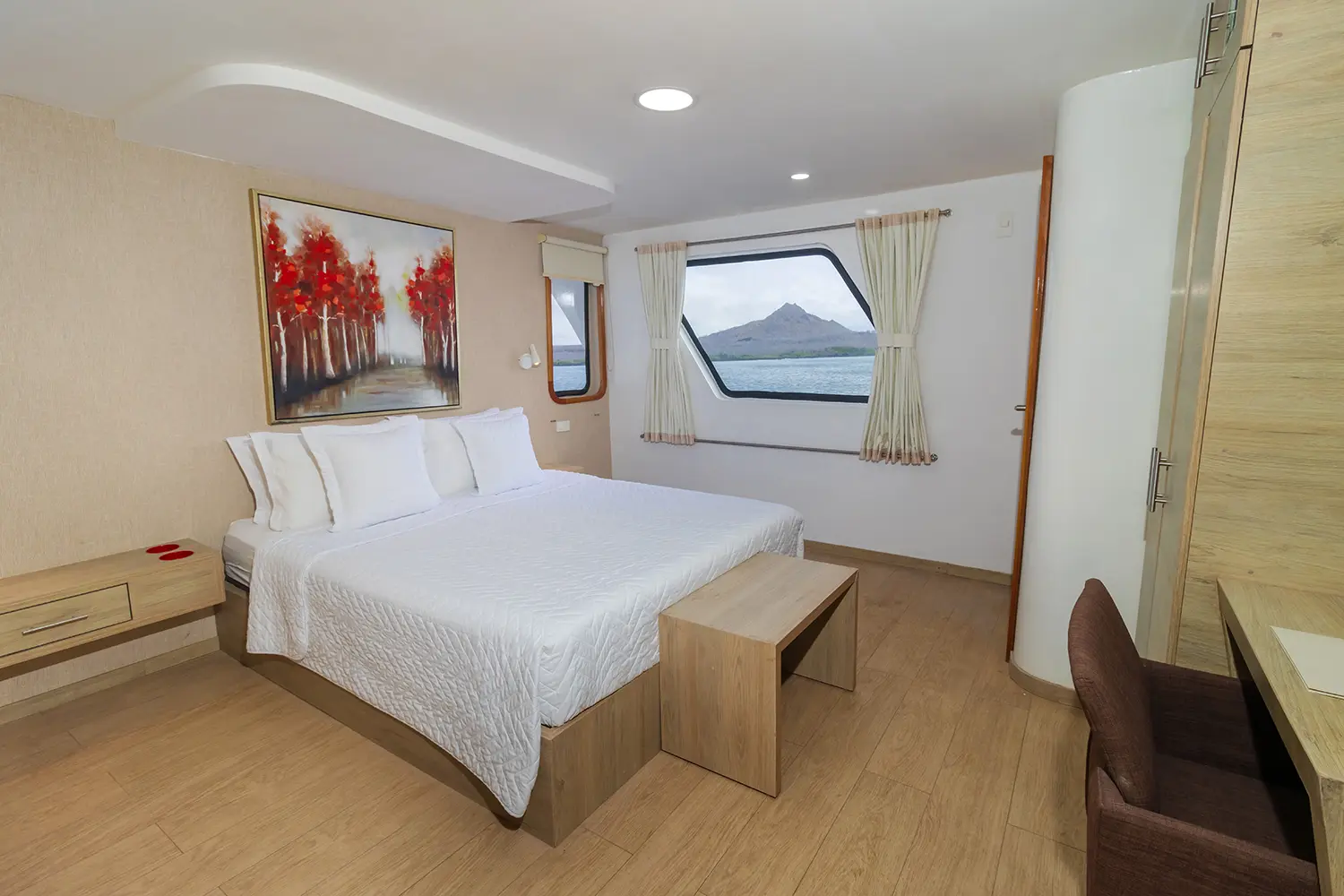
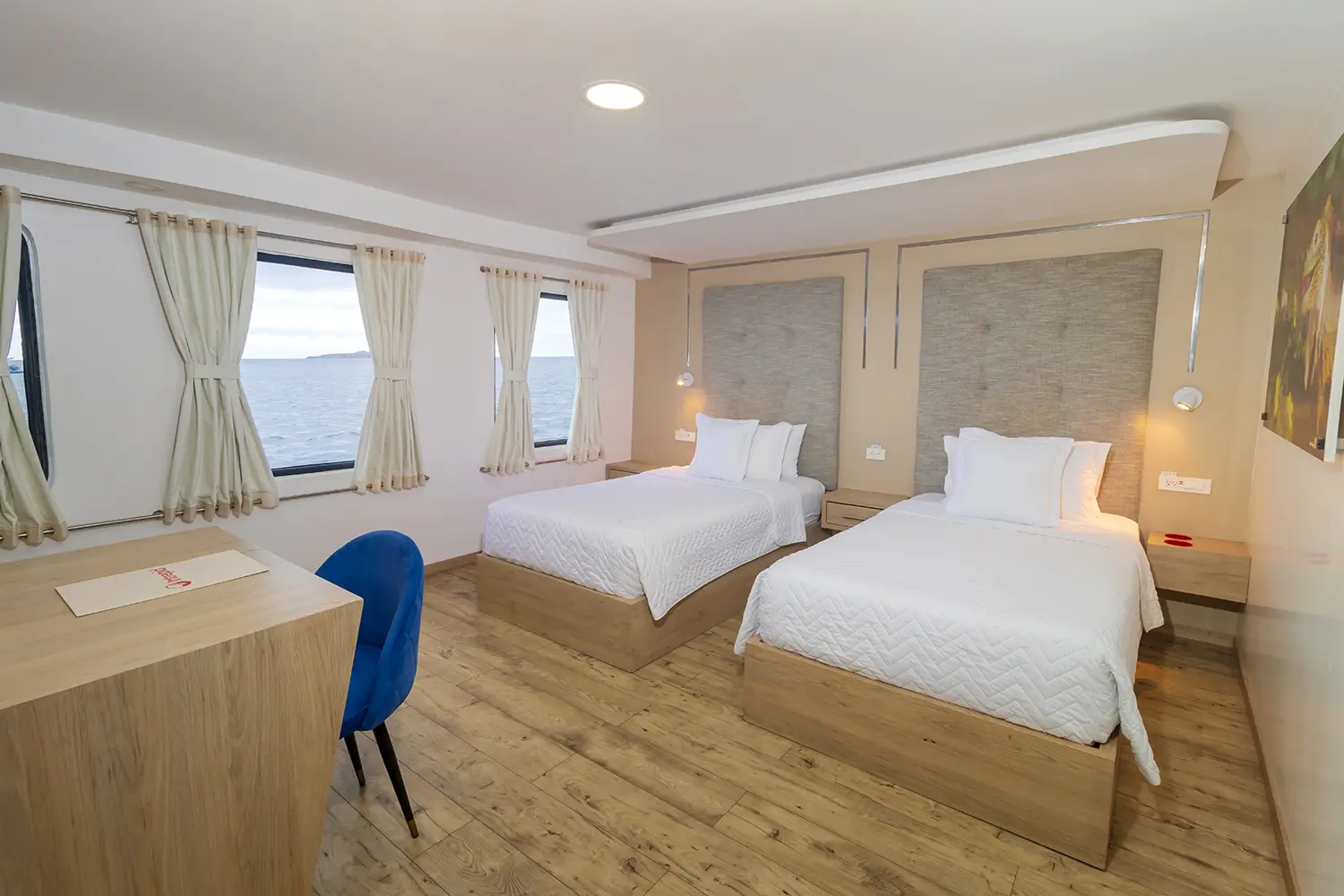
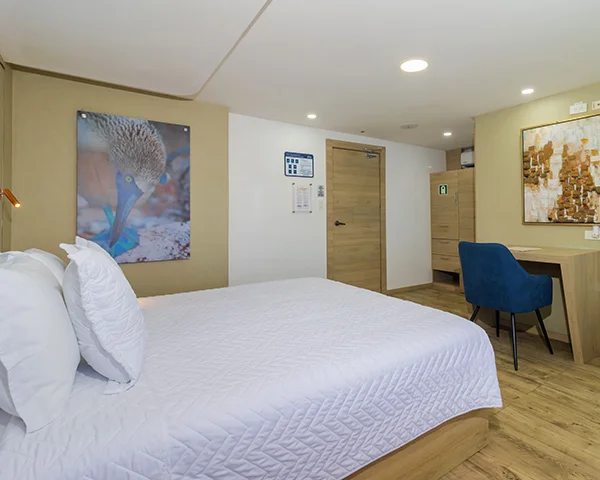
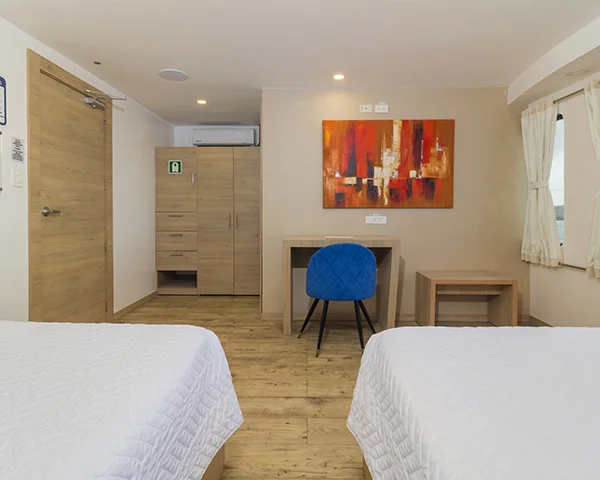
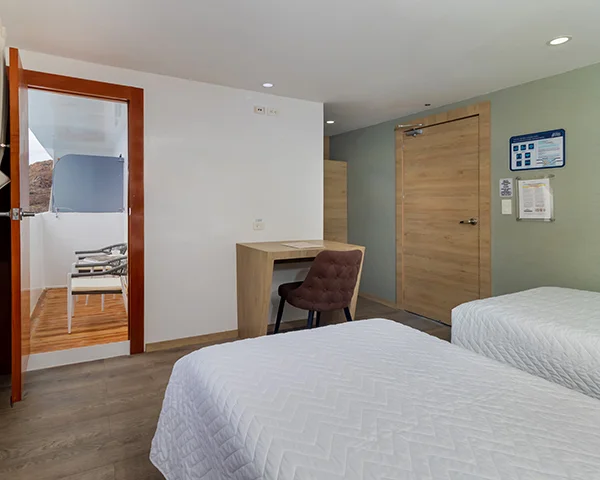
TBA
"*" indicates required fields
Galapagos Tourist Superior boat tours offer a fantastic balance of comfort and immersive exploration of the islands. These mid-range vessels provide comfortable cabins, excellent service, delicious meals, and knowledgeable naturalist guides. Expect well-planned itineraries with daily excursions for wildlife viewing, snorkeling, and hiking across various islands, offering a memorable and enriching Galapagos experience with added comfort and style compared to the tourist class.

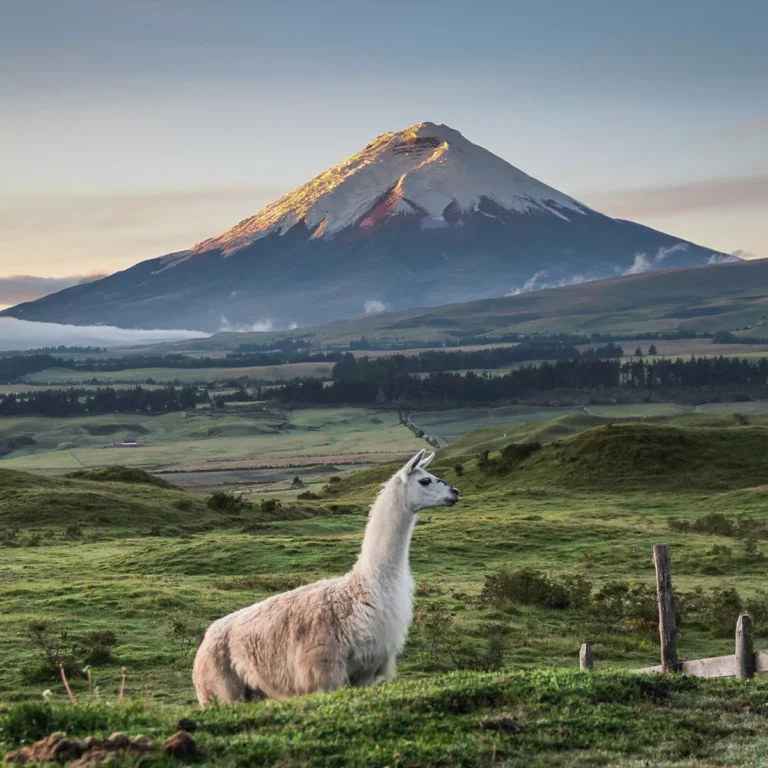
Ecuador travel offers an incredibly diverse and compact experience. From the unique, wildlife-rich Galapagos Islands and the majestic peaks of the Andes Highlands with their vibrant indigenous cultures, to the lush, biodiverse Amazon rainforest and the laid-back Pacific coast, Ecuador packs a world of natural wonders and cultural encounters into a relatively small area.
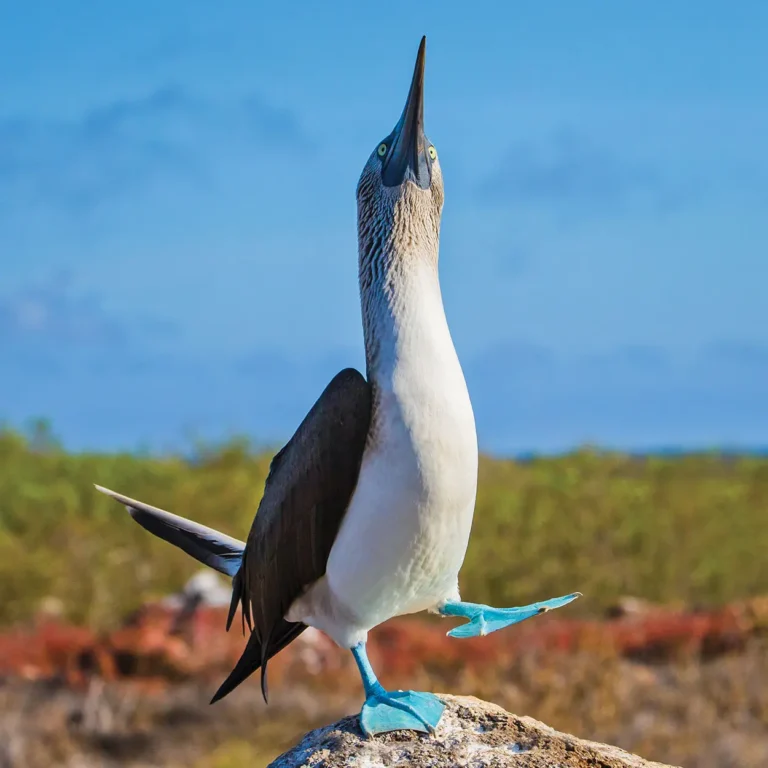
Galapagos tours provide an incredible opportunity to explore a unique volcanic archipelago teeming with fearless, endemic wildlife. Led by knowledgeable naturalists, these multi-day excursions offer close encounters with diverse species through guided walks, snorkeling, and boat navigation, revealing the islands' raw beauty and evolutionary marvels.
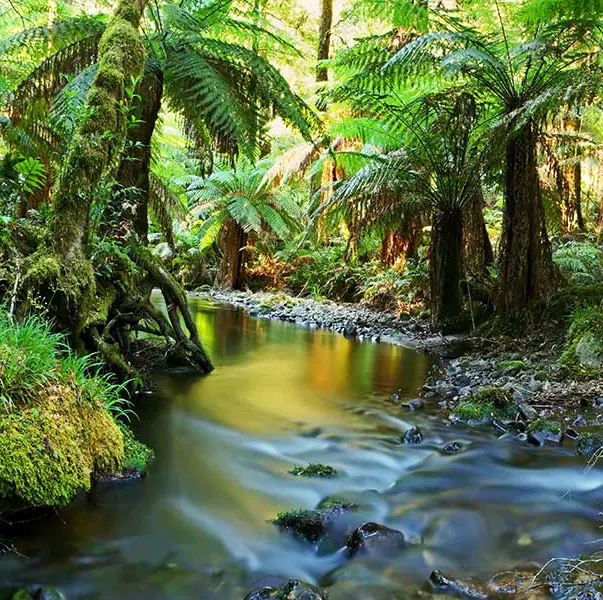
Ecuador rainforest expeditions offer deep dives into the heart of the Amazon, providing unparalleled immersion in one of the world's most biodiverse ecosystems. These journeys combine thrilling wildlife encounters—spotting monkeys, vibrant birds, and elusive predators—with cultural exchanges with indigenous communities, all while navigating lush landscapes and winding rivers.

Explore the vibrant heart of Ecuador's Andes with activities like hiking majestic volcanoes (Cotopaxi, Chimborazo), exploring picturesque colonial cities (Quito, Cuenca), bargaining for unique crafts at bustling indigenous markets (Otavalo), and discovering hidden cloud forests. Enjoy horseback riding, mountain biking, or simply soaking in the breathtaking mountain vistas and rich cultural heritage.
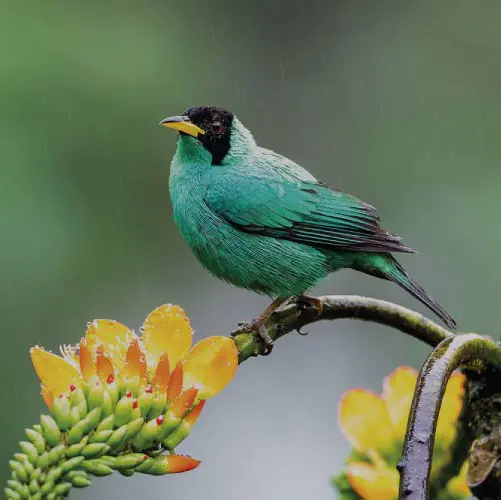
Ecuador is a birder's paradise, boasting an incredible diversity of species across its varied ecosystems. Birdwatching tours in Ecuador offer unparalleled opportunities to spot vibrant hummingbirds in the cloud forests, rare antpittas in the Andes, colorful macaws in the Amazon, and unique endemic species in the Galapagos.
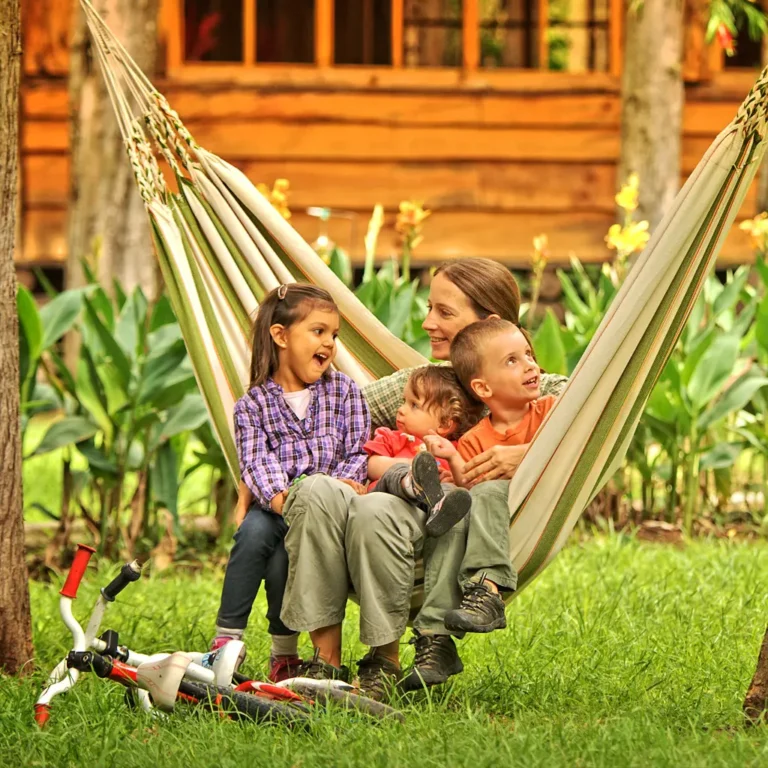
Family journeys in Ecuador offer diverse and engaging adventures for all ages. From wildlife encounters in the Galapagos and Amazon rainforest that spark wonder in children, to cultural explorations in the Andes highlands with their vibrant markets and charming towns, and relaxing moments on the Pacific coast, Ecuador provides a safe and stimulating environment for creating unforgettable family memories.
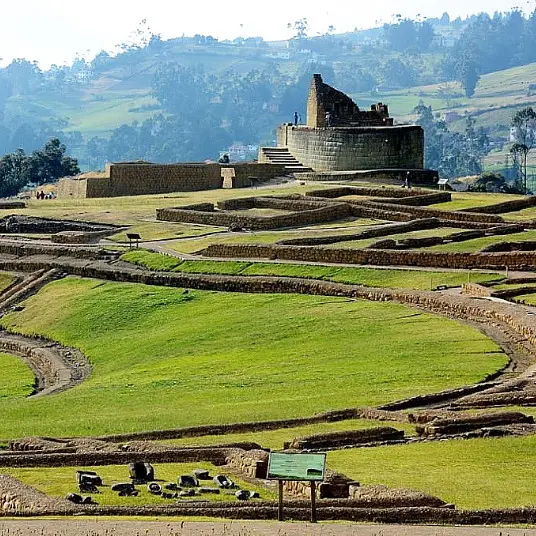
Ecuador's History & Archeology tours delve into a rich past, from ancient pre-Incan civilizations to the grandeur of the Inca Empire and the legacy of Spanish colonialism. Explore meticulously preserved colonial cities like Quito, a UNESCO World Heritage site, discover enigmatic archeological sites such as Ingapirca with its impressive Inca ruins, and learn about the diverse cultures that shaped this fascinating nation.
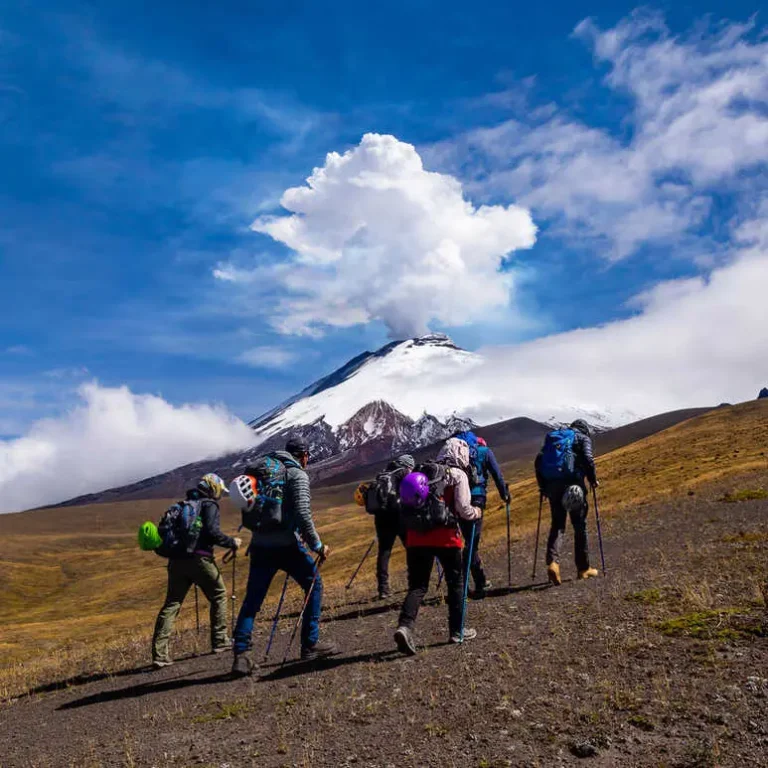
Ecuador hiking and trekking tours offer an extraordinary range of experiences amidst stunning Andean landscapes. From challenging ascents of majestic volcanoes like Cotopaxi and Chimborazo to scenic multi-day treks through cloud forests and paramo, and more gentle walks to explore indigenous villages.
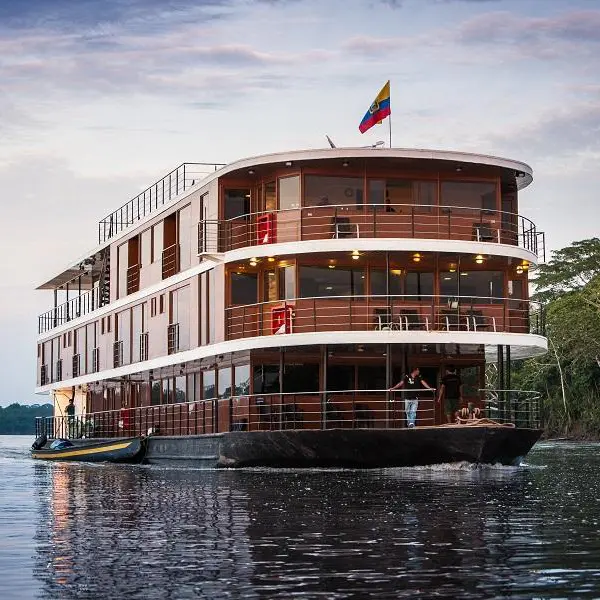
Ecuador boat cruises primarily focus on the Galapagos Islands, offering an unparalleled way to explore this unique archipelago. Options range from comfortable tourist-class vessels to luxurious yachts, providing accommodations, meals, and daily guided excursions. While less common, some river cruises also operate in the Amazon.
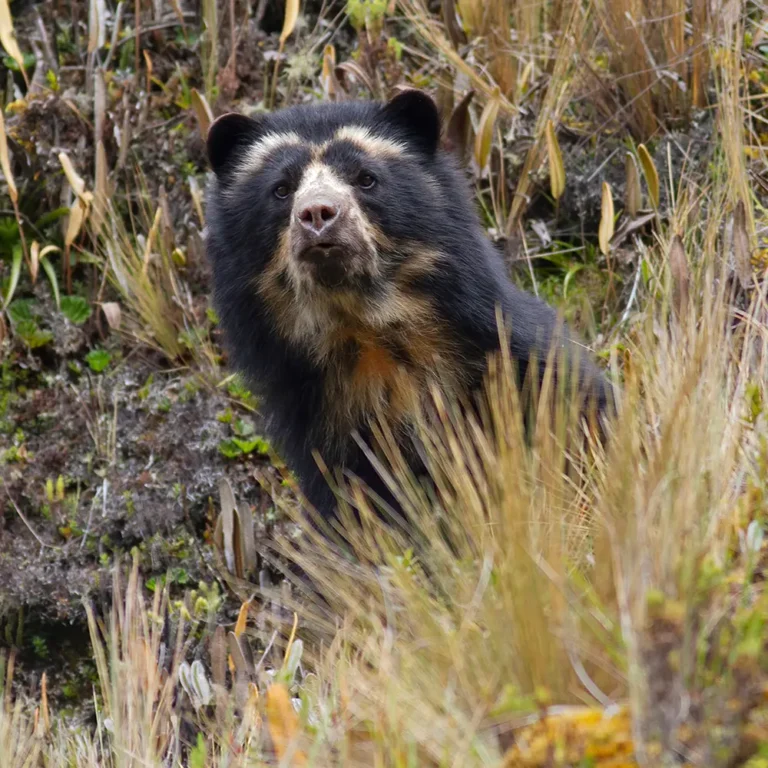
Ecuador's Nature and Wildlife tours are an absolute delight for nature lovers, offering unparalleled biodiversity in a compact country. Explore the unique, fearless wildlife of the Galapagos Islands, discover a profusion of species in the Amazon rainforest (monkeys, macaws, anacondas), and encounter rare birds and fascinating mammals in the Andean cloud forests and paramo.
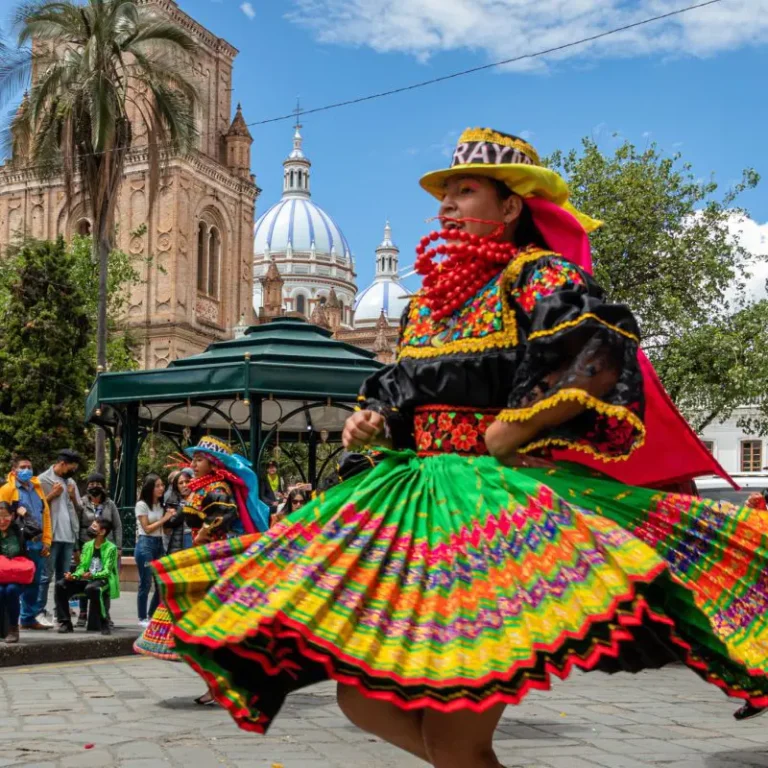
Ecuador People and Culture tours offer a vibrant immersion into the heart of this diverse nation. Explore bustling indigenous markets like Otavalo, where ancient traditions thrive through colorful textiles and handicrafts. Discover the architectural grandeur and living history of UNESCO World Heritage cities like Quito and Cuenca.
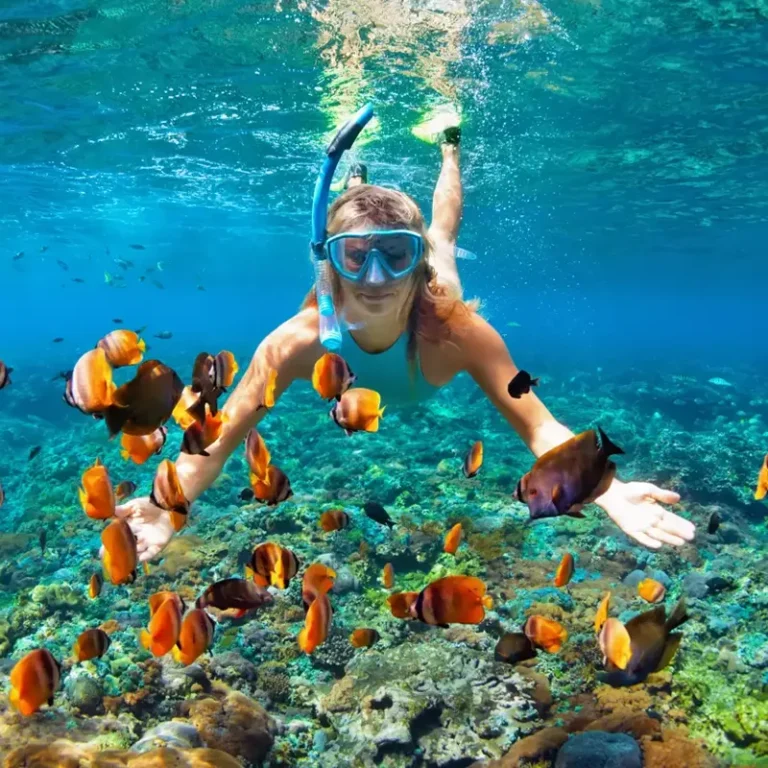
Ecuador's snorkeling and diving tours primarily focus on the Galapagos Islands, offering an unparalleled underwater adventure. Dive into crystal-clear waters teeming with unique marine life found nowhere else: playful sea lions, graceful sea turtles, hammerhead sharks, whale sharks, marine iguanas, and countless colorful fish.
Stay in the know…
Sign up to our email mailing list and have all the latest Ecuador Nature Expeditions travel inspiration sent direct to your inbox.
By signing up you are giving us permission to contact you by email. Your details are safe and will be used as per our Privacy Policy.
*
Need help? Our team is just a message away
