
Beginning of the rainy season.
Land birds start nesting, generally after the first rain.
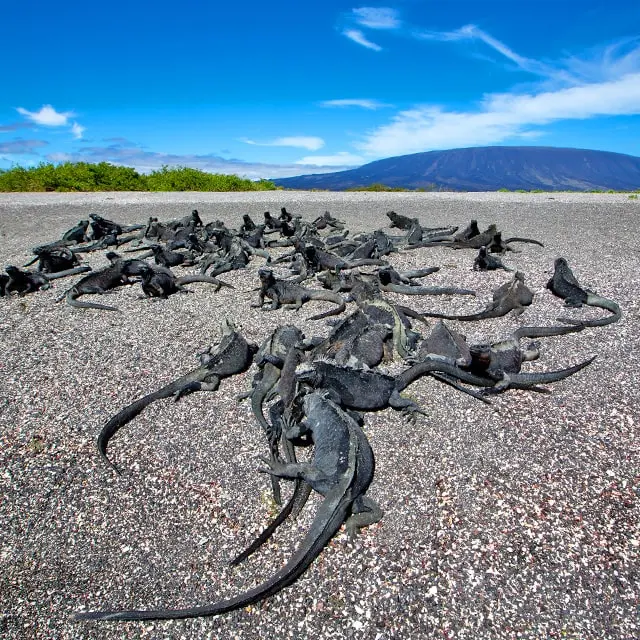
On Española the adult male marine iguanas become brightly colored.
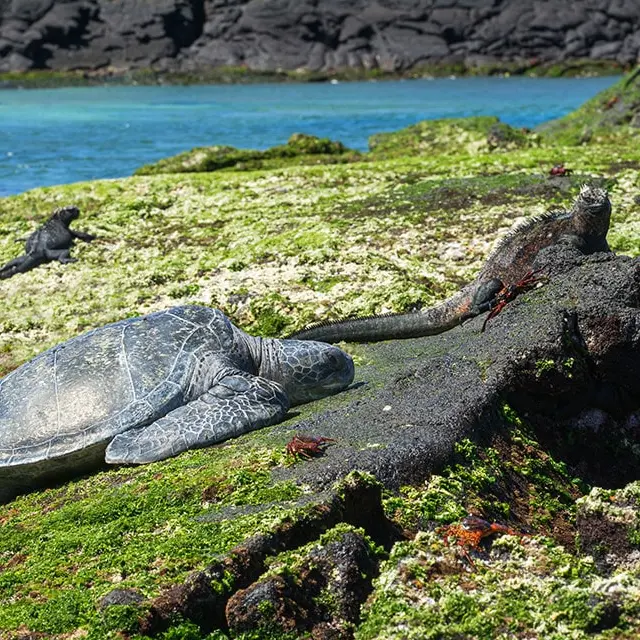
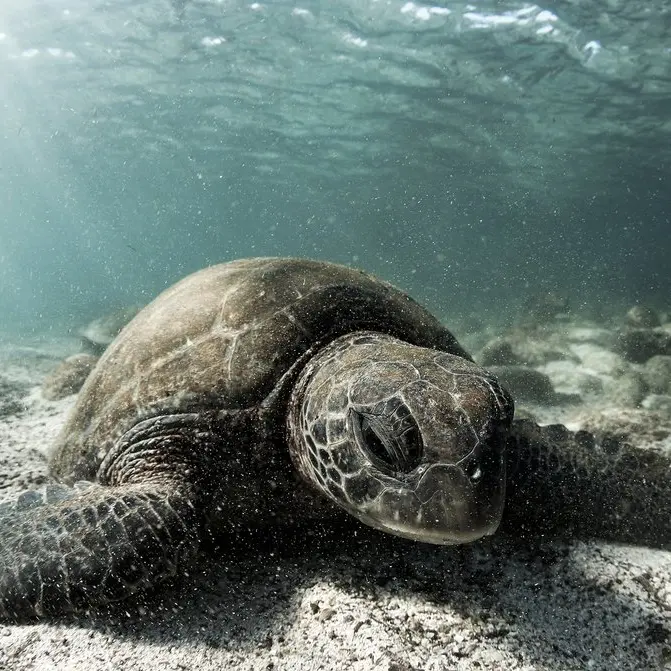
The green sea turtle arrives to the beaches of Galapagos to lay their eggs.
Land iguanas begin reproductive cycles on Isabela.
Water sand air temperatures rise and stay warm until June.
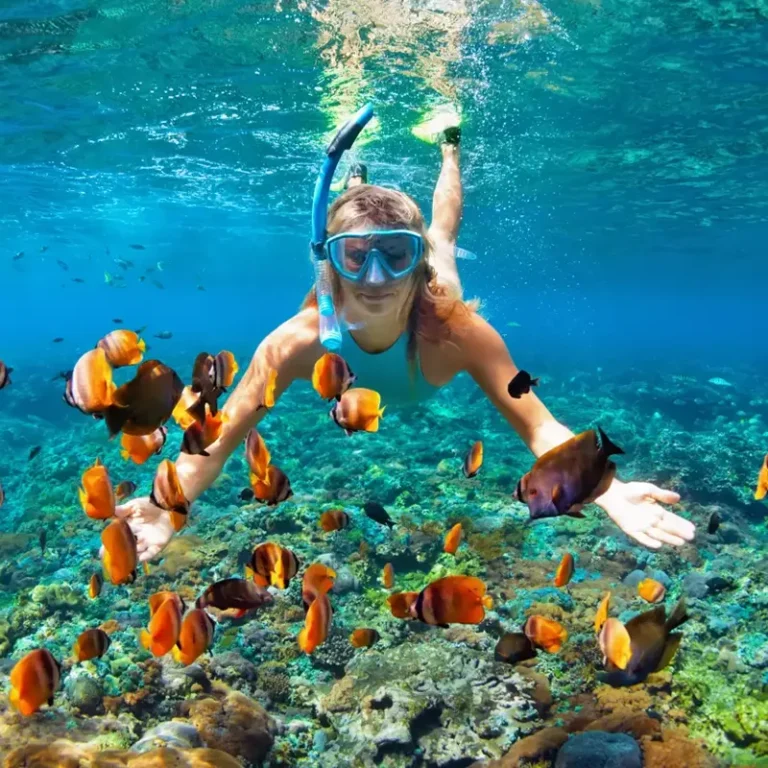
Ideal time for snorkeling.
Land birds start nesting, generally after the first rain.
On Española the adult male marine iguanas become brightly colored.
The green sea turtle arrives to the beaches of Galapagos to lay their eggs.
Land iguanas begin reproductive cycles on Isabela.
Water sand air temperatures rise and stay warm until June.
Ideal time for snorkeling.
On Floreana flamingos start nesting. Bahamas pintails start their breeding season.
Masked boobies on Española are at the end of their nesting season.
Marine iguanas nest on Sta. Cruz.
The highest water temperature reaches 25º C (77º F). This temperature remains until April.
Very few penguins are sighted in Bartholomew.
The nesting season of the Galapagos dove reaches its peak.
Masked boobies on Española are at the end of their nesting season.
Marine iguanas nest on Sta. Cruz.
The highest water temperature reaches 25º C (77º F). This temperature remains until April.
Very few penguins are sighted in Bartholomew.
The nesting season of the Galapagos dove reaches its peak.
The rainy season reaches the highest precipitation.
Sporadic tropical rains, intense sun and hot climate. Air temperature can reach up to 30º C (86º F).
Marine iguanas nest in Fernandina.
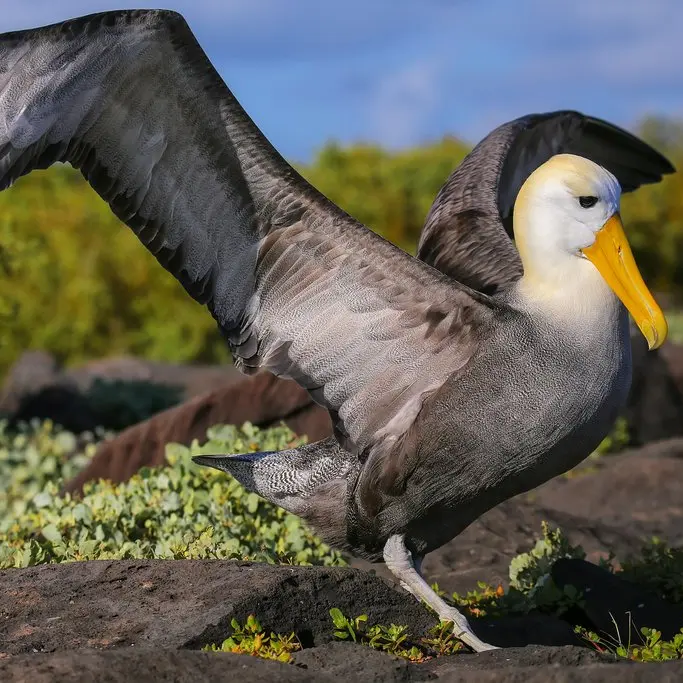
March 21, the beginning of the summer equinox signals the arrival of the waved albatross to Española.
Sporadic tropical rains, intense sun and hot climate. Air temperature can reach up to 30º C (86º F).
Marine iguanas nest in Fernandina.
March 21, the beginning of the summer equinox signals the arrival of the waved albatross to Española.
Massive arrival of waved albatross to Española. Their courtship starts.
Hatching season ends for giant tortoises.
The eggs of the green sea turtles begin to hatch.
Land iguanas hatch on Isabela.
Hatching season ends for giant tortoises.
The eggs of the green sea turtles begin to hatch.
Land iguanas hatch on Isabela.
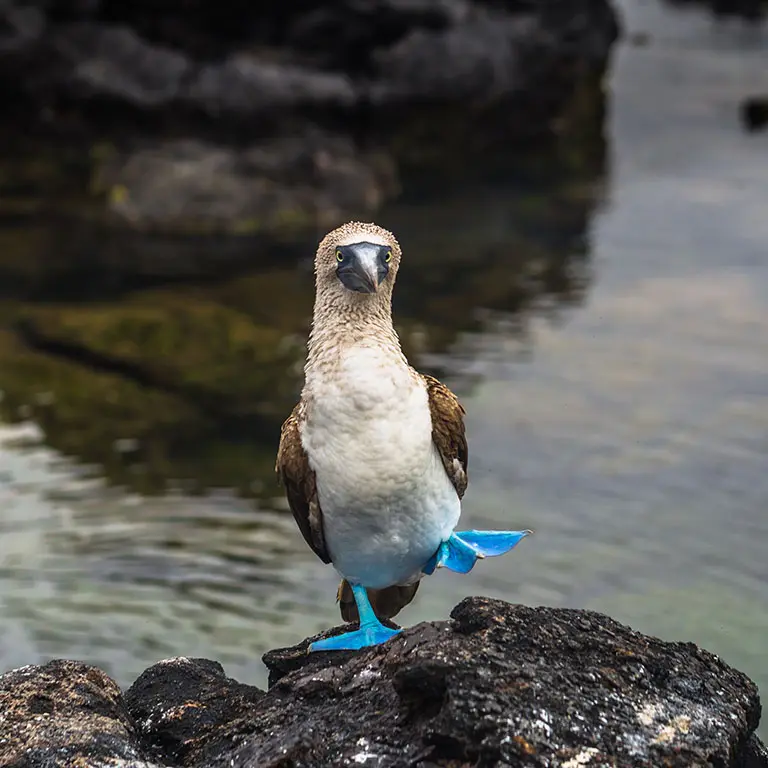
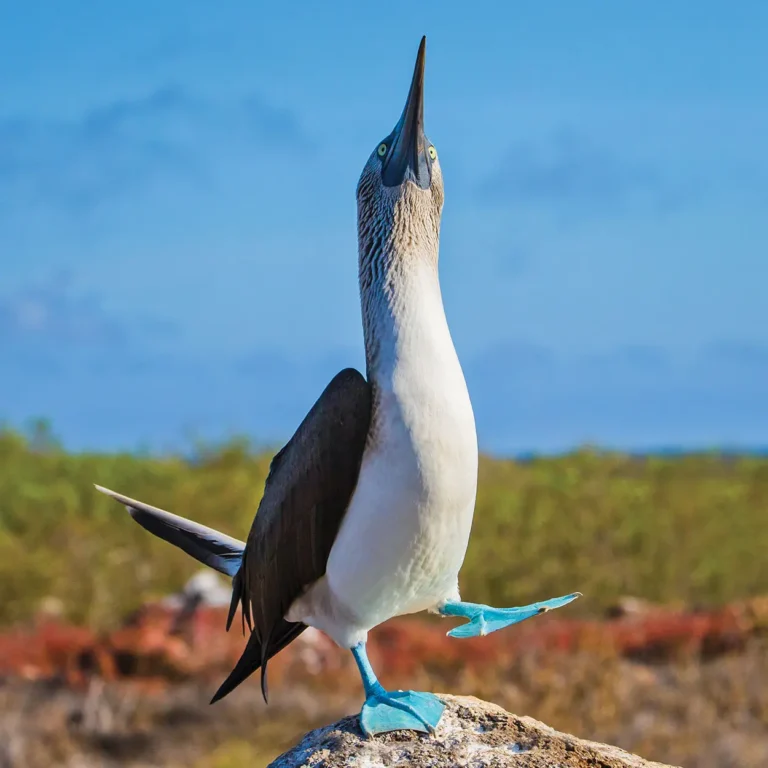
North Seymour's blue-footed boobies begin their courtship.
Sea turtles are still hatching on Gardner Bay, Punta Cormorant, and Puerto Egas.
Most of marine iguanas' eggs hatch from nests on Santa Cruz.
Palo Santo trees begin to shed their foliage.
Waved albatross on Española start laying their eggs.
Band-rumped storm petrels begin their first nesting period.
Sea turtles are still hatching on Gardner Bay, Punta Cormorant, and Puerto Egas.
Most of marine iguanas' eggs hatch from nests on Santa Cruz.
Palo Santo trees begin to shed their foliage.
Waved albatross on Española start laying their eggs.
Band-rumped storm petrels begin their first nesting period.
Beginning of the garúa season.
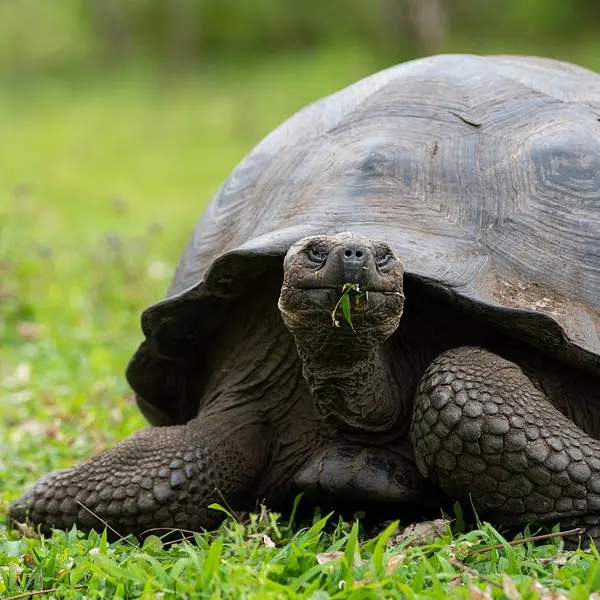
Giant tortoises on Sta. Cruz migrate from the highlands to the lowlands in search of suitable nesting places.
Beginning of the nesting season of giant tortoises.
Giant tortoises on Sta. Cruz migrate from the highlands to the lowlands in search of suitable nesting places.
Beginning of the nesting season of giant tortoises.
Sea bird communities are very active, especially the blue footed boobies on Española. While, flightless cormorants court and nest on Fernandina.
It is possible to find oystercatchers nesting on Pto. Egas.
Lava lizard initiates mating rituals until November.
Whales are more likely to be observed, specially off the Western coast of Isabela.
It is possible to find oystercatchers nesting on Pto. Egas.
Lava lizard initiates mating rituals until November.
Whales are more likely to be observed, specially off the Western coast of Isabela.
The Galapagos hawks court on Española and Santiago.
Mask boobies and swallowtailed gulls nest on Genovesa.
The temperature of the ocean descends to 18º C (64º F). which obviously varies, according to the geographic zones among the islands.
Migrant shore birds start to arrive, and stay on the islands until March.
Giant tortoises return to the highlands of Sta. Cruz.
Mask boobies and swallowtailed gulls nest on Genovesa.
The temperature of the ocean descends to 18º C (64º F). which obviously varies, according to the geographic zones among the islands.
Migrant shore birds start to arrive, and stay on the islands until March.
Giant tortoises return to the highlands of Sta. Cruz.
Cold (garúa) season peak.
The air temperature reaches its lowest (19º C) (66º F).
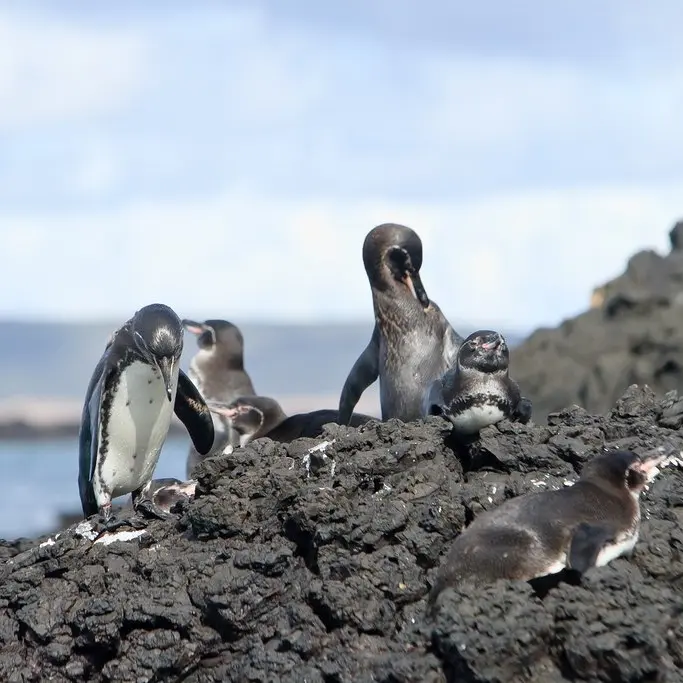
Penguins demonstrate remarkable activity on Bartolome until December.
Sea lions are very active, especially in the western and central areas of the Archipelago.
Most species of marine birds remain active at their nesting sites.
The air temperature reaches its lowest (19º C) (66º F).
Penguins demonstrate remarkable activity on Bartolome until December.
Sea lions are very active, especially in the western and central areas of the Archipelago.
Most species of marine birds remain active at their nesting sites.
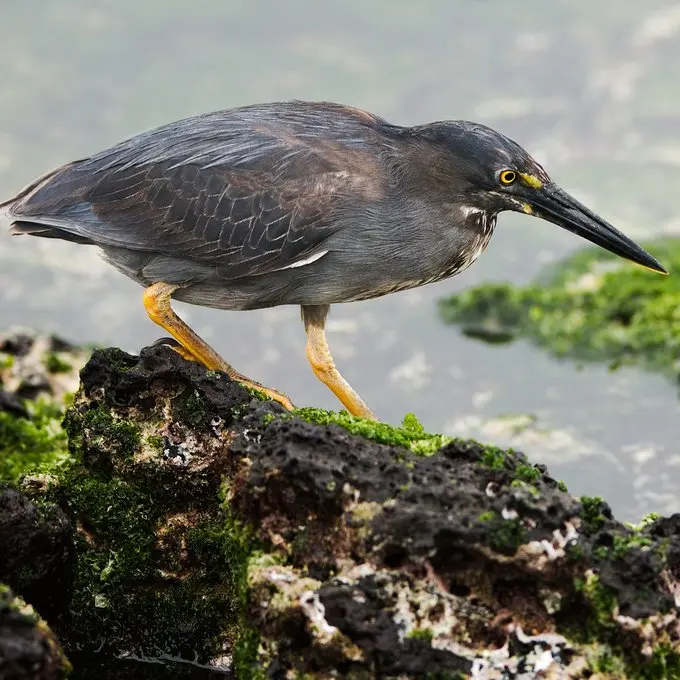
Lava herons nest until March.
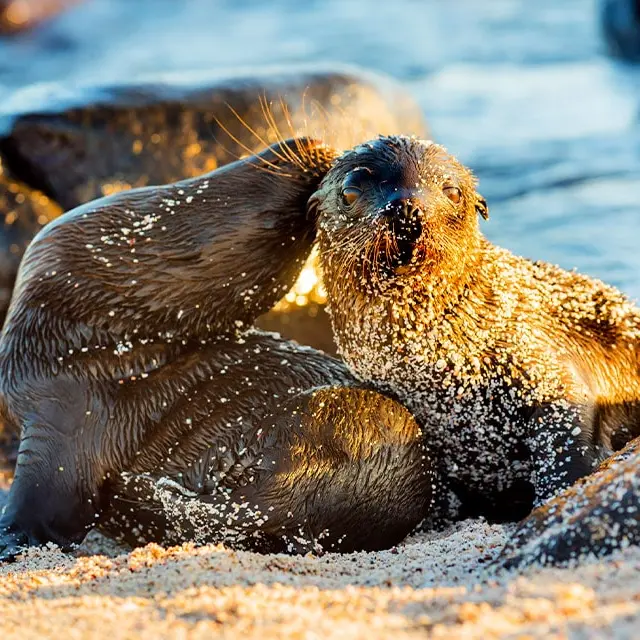
The Galapagos fur seals begin their marine period.
Boobies raise their chicks on Española.
Giant tortoises still lay their eggs.
The Galapagos fur seals begin their marine period.
Boobies raise their chicks on Española.
Giant tortoises still lay their eggs.
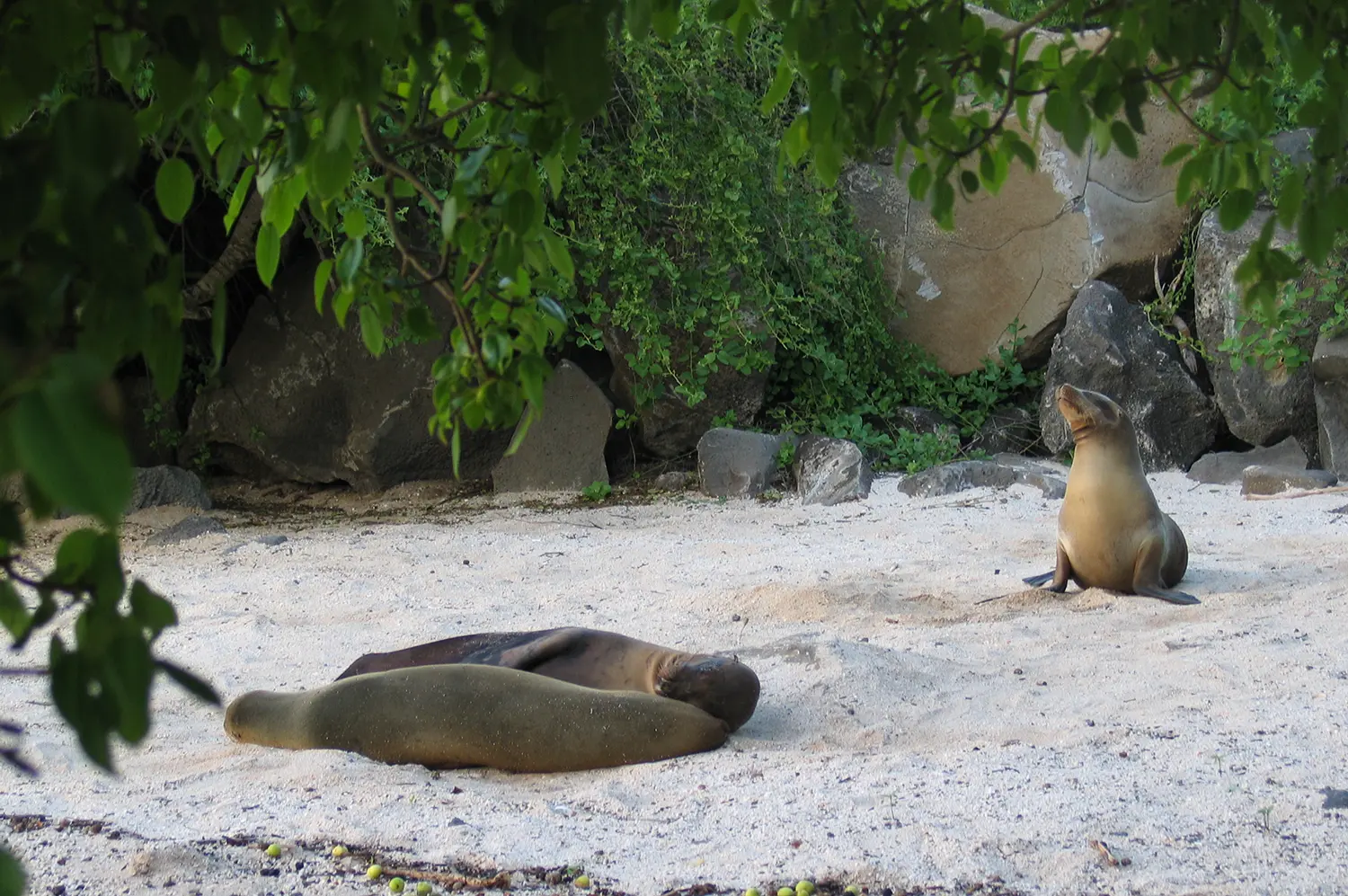
Sea lion pups are born.
Sea lions are sexually active on the Eastern part of the Archipelago.
Breeding season of brown noddies.
Band-romped storm petrels begin their second nesting period.
Sea lions are sexually active on the Eastern part of the Archipelago.
Breeding season of brown noddies.
Band-romped storm petrels begin their second nesting period.
Hatching of the giant tortoise’s eggs begins and lasts until April.
Green sea turtles display their mating behavior.
The rainy season begins, all of the plants of the dry zone produce leaves, Galapagos turns green.
The first young albatross fledge.
Green sea turtles display their mating behavior.
The rainy season begins, all of the plants of the dry zone produce leaves, Galapagos turns green.
The first young albatross fledge.