The Galapagos Islands are calling! An exceptional voyage aboard the Ocean Spray beckons.
$4.390,00 – $8.690,00Price range: $4.390,00 through $8.690,00
AM: Airport
Upon arrival, reception and assistance at the airport, transfer from San Cristobal Airport to the M/C Ocean Spray.
PM: Lobos Island/Kicker Rock
Lobos Island is aptly named after the many sea lions that reside here resting and playing along the rocky shores. It is also home to many different birds like pelicans, frigate birds and their nests, yellow warblers and more. Within the small channel the waters are very clear, making it easy to find sea turtles, sea lions, stingrays and perhaps even white-tipped sharks.
Kicker rock is one of the most extraordinary sites in the Galapagos Islands, made of two eroded volcanic cones that tower over the sea at about 104 meters in the middle of the open water. It is a nesting place of sea birds and a nice spot to take pictures while the vessels circumnavigate around the rock.
AM: Pitt Point
When arriving at Pitt Point, it will feel as if you’ve landed on an extraterrestrial planet. You can see the many different developments over time of how volcanic activity formed this island. A hike up to the top beholds amazing views of the surrounding waters. Watch out for blue-footed boobie nests on the ground and keep an eye out for the red-footed boobies nesting in the trees once you reach the top of the island.
PM: Witch Hill
Witch hill has awesome crevices and eroding rocks along the shoreline where you will first pass in panga. Afterwards be prepared to visit a powdery white sand beach with teal and turquoise waters.
AM: Post Office Bay
Ask the Cruise Manager for one of our complimentary postcards to write a message and address it home. Leave it in the barrel used before by pirates and sailors. While your there, see if there are any other postcards you can take home with you to send for fellow travelers who have already left their messages!
PM: Cormorant Point / Devil’s Crown
Cormorant is an interesting visitor site. Two beaches can be visited here, just beyond the first beach is a saltwater lagoon with flamingos. One of the beaches look green because of the olivine crystals, and the other is appropriately called Flour Beach because of the powdery white sand, made from fine, pulverized coral. Watch your feet if wading in the water, stingrays love to hang out here as well.
Devil’s Crown boasts one of the finest snorkeling opportunities. Below the surface are amazing volcanic structures that have submerged over time. Hundreds of colorful fish species can be seen along the reef, along with sharks, rays, sea turtles, sea lions, and rays. It’s a beautiful underwater spectacle that cannot be missed.
AM: Santa Cruz – Black Turtle Cove
Black Turtle Cove is located on the north side of Santa Cruz Island. This shallow inlet is surrounded by mangroves and provides a natural protection for a variety of marine life, attracting the vulnerable juveniles of many species. Below the surface of the water, you can see both black-tip and white-tip reef sharks, sea turtles, golden cow-nose rays, and spotted eagle rays. Pelicans and blue-footed boobies hunt here, diving gracefully into the water.
PM: Baltra Airport
After this last visit, transfer to Baltra airport for your return flight to mainland Ecuador.
Assistance and farewell at the airport.
AM: Baltra
Upon arrival, reception and assistance at the airport, transfer from Baltra Airport to the M/C Ocean Spray.
PM: Bartolome – Pinnacle Rock
Pinnacle Rock is a volcanic cone formed by magma expelled by an underwater volcano. The sea cooled the hot lava and as it exploded from contact, the pieces formed together this huge rock of many, many layers of basalt. The huge rock also has a beach where a small population of green sea turtles will nest during breeding season. Galapagos penguins gather here and swimming can offer beautiful sights of colorful schools of fish and curious sea lions.
AM: Darwin Bay
Darwin Bay used to be a shield volcano, now you can see where one of the sides of its caldera collapsed after hundreds of years of erosion. It is known for the wide variety of birds that can be seen. Over 20,000 red-footed boobies are estimated to call this island home within the trees and bushes of Genovesa Island.
PM: El Barranco
In English, this visitor site is also known as Prince Phillip’s Steps. It leads to a rocky path up a cliff that rewards guests with a remarkable view. It is also home to a Palo Santo forest that is home to the nesting red-footed boobies and other shorebirds.
AM: Espumilla Beach / Buccaneer Cove
As the second Island Charles Darwin discovered, it was originally named after King James of England. Buccaneer Cove is an excellent opportunity for snorkeling and was once a refuge for passing sailors and pirates. The underwater formations provide an amazing home for the many different tropical species of fish that can be found here.
PM: Egas Port
Egas port is also known as James Bay, home to quick-footed Galapagos lava lizards. There are grottos and tide pools housing all kinds of different marine species. This is also one of the best snorkeling sites in the Galapagos.
AM: North Seymour Island
The island was named after English nobleman Lord Hugh Seymour. Formed by uplifted submarine lava, the island is home to a huge colony of about 2,500 land iguanas and large populations of sea lions, blue-footed boobies, common noddies, and frigatebirds. Along the coast, it is possible to see land and marine iguanas and the biggest colony of Magnificent Frigatebirds.
PM: Santa Cruz – Highlands / Charles Darwin Research Station
The Highlands of Santa Cruz is a very interesting site due to the rich wildlife, hills, ferns, volcanoes and lava tubes present. Exploring the lava tubes is a surreal and unique experience. Here you can see all the different agricultural zones that are present in the Galapagos in one place. The variety of birds makes this a bird watchers delight. After visiting the highlands, we proceed to the renowned Charles Darwin Research Station, offering a chance to learn about the crucial conservation efforts underway to protect the ecosystems of the archipelago. The Research Center also hosts an important breeding program for Galapagos tortoises, whose population has been in decline since the 1970s. These fascinating reptiles are quite accustomed to human presence, so don’t forget to bring your camera for some close-up shots.
AM: Mosquera Islet
This visitor site is located between the islands of Baltra and North Seymour. It is a reef of rocks and coral (the result of an uprising) and a great white sand beach. Its narrowest width reaches about 160 meters and has an estimated length of 600 meters. In most of the perimeter there is a base of lava rocks, as evidence of the lava uprising, except in the southwest side where the landing occurs. This island has one of the largest populations of sea lions. You can also observe several species of shorebirds. There have been occasional reports at this site of Orcas (Orcinus orca) feeding on sea lions.
PM: Baltra airport
After this last visit, transfer to Baltra airport for your return flight to mainland Ecuador. Assistance and farewell at the airport.
AM: Baltra
Upon arrival, reception and assistance at the airport, transfer from Baltra Airport to the M/C Ocean Spray.
PM: Santa Fe
Santa Fe is home to the endemic Santa Fe iguana. The island was created by a volcanic uplift that now hosts a forest of Opuntia and Palo Santo trees. It is a picturesque island with two different trails, one leading to a scenic viewpoint and the other leading to a small beach. Giant tortoises were once native here but went extinct after pirates and sailors took them aboard as a source of food.
AM: Suarez Point
This is a phenomenal site where you will get to see many of Española Island’s endemic species. The trail will pass by the only Waved Albatross breeding site in all of Galapagos. If you are lucky you might see a young albatross take off for its first flight for up to five years at sea. Older birds stay at sea for months at a time, only coming back to breed. They have the same mate for life and will meet each other each year, only here to reproduce. Other species that can be seen are marine iguanas that stay brightly colored year-round, Galapagos doves, Nazca boobies, blue-footed boobies, swallow-tailed gulls, red-billed tropic birds, and Darwin finches.
PM: Gardner Bay / Osborn Islet
This white sandy beach is home to a large colony of sea lions and incredibly blue and turquoise waters. Three different finches can be seen, as well as the Española mockingbird. Over time, the mockingbird must have been offered water or food from tourists and now they have no fear of walking on your things or landing very close to you. It is so important not to feed or touch the animals. It can disrupt their normal behaviors and threaten their future.
AM: Interpretation Center and Galapaguera
The Interpretation Center has been open to the public since 1998, offering extensive knowledge about the history of Galapagos. San Cristobal is also the island where Charles Darwin first landed on. It is now home to the capital of Galapagos and houses many government offices, as well as part of the Ecuadorian Navy. Giant tortoises are bred at the Galapaguera and roam in a semi-natural habitat created by the center.
PM: Lobos Island/Kicker Rock
Lobos Island is aptly named after the many sea lions that reside here resting and playing along the rocky shores. It is also home to many different birds like pelicans, frigate birds and their nests, yellow warblers and more. Within the small channel the waters are very clear, making it easy to find sea turtles, sea lions, stingrays and perhaps even white-tipped sharks.
Kicker rock is one of the most extraordinary sites in the Galapagos Islands, made of two eroded volcanic cones that tower over the sea at about 104 meters in the middle of the open water. It is a nesting place of sea birds and a nice spot to take pictures while the vessels circumnavigate around the rock.
AM: Pitt Point
When arriving at Pitt Point, it will feel as if you’ve landed on an extraterrestrial planet. You can see the many different developments over time of how volcanic activity formed this island. A hike up to the top beholds amazing views of the surrounding waters. Watch out for blue-footed boobie nests on the ground and keep an eye out for the red-footed boobies nesting in the trees once you reach the top of the island.
PM: Witch Hill
Witch hill has awesome crevices and eroding rocks along the shoreline where you will first pass in panga. Afterwards be prepared to visit a powdery white sand beach with teal and turquoise waters.
AM: Post Office Bay
Ask the Cruise Manager for one of our complimentary postcards to write a message and address it home. Leave it in the barrel used before by pirates and sailors. While your there, see if there are any other postcards you can take home with you to send for fellow travelers who have already left their messages!
PM: Cormorant Point / Devil’s Crown
Cormorant is an interesting visitor site. Two beaches can be visited here, just beyond the first beach is a saltwater lagoon with flamingos. One of the beaches look green because of the olivine crystals, and the other is appropriately called Flour Beach because of the powdery white sand, made from fine, pulverized coral. Watch your feet if wading in the water, stingrays love to hang out here as well.
Devil’s Crown boasts one of the finest snorkeling opportunities. Below the surface are amazing volcanic structures that have submerged over time. Hundreds of colorful fish species can be seen along the reef, along with sharks, rays, sea turtles, sea lions, and rays. It’s a beautiful underwater spectacle that cannot be missed.
AM: Santa Cruz – Black Turtle Cove
Black Turtle Cove is located on the north side of Santa Cruz Island. This shallow inlet is surrounded by mangroves and provides a natural protection for a variety of marine life, attracting the vulnerable juveniles of many species. Below the surface of the water, you can see both black-tip and white-tip reef sharks, sea turtles, golden cow-nose rays, and spotted eagle rays. Pelicans and blue-footed boobies hunt here, diving gracefully into the water.
PM: Baltra airport
After this last visit, transfer to Baltra airport for your return flight to mainland Ecuador. Assistance and farewell at the airport.
AM: Baltra
Upon arrival, reception and assistance at the airport, transfer from Baltra Airport to the M/C Ocean Spray.
PM: Santiago – Chinese Hat
This site offers rare, up close viewing of Galapagos wildlife and well-preserved remnants of fragile volcanic rock that can’t be found in such a unique condition anywhere else. The island is named after the similarity of an Asian type of hat. Here you can see American Oystercatchers and Galapagos Penguins swimming along the shores.
AM: Isabela – Vicente Roca Point
Vicente Roca Point has outstanding geological formations and is a great place to see various bird species. Because this visitor site is located on the western area of the island, the Cromwell Current provides cold water that carries many nutrients for both land and aquatic species, offering the chance to see amazing feeding frenzies.
PM: Fernandina – Espinosa Point
As one of the most pristine islands in the archipelago, Fernandina has never had a foreign species invade. It is also the most active island and farthest west. Espinosa point is the only visitor site on the entire island. Here you can see marine iguanas, Galapagos hawks and enjoy a hike and/or snorkeling activity at one of the most natural, unspoiled sites in the entire world.
AM: Tagus Cove
If you like historic remnants, then you will enjoy finding what was left behind by pirates and sailors in the 1800s. This site was one of their preferred pit stops while traveling the seas. The hike here will provide incredible views of the cove and on the other side the mangrove forest where the last 35 pairs of Mangrove finches thrive.
PM: Urbina Bay
Millions of years ago, Urbina Bay was once laying on the ocean floor. Volcanic uplifts caused it to rise and now it is occupied by sea lions, land iguanas and flightless cormorants. It is a great place to enjoy some free time on the beach or the guide may suggest a hike.
AM: Elizabeth Bay
This visitor site is visited by panga only as the park authorities have no authorized landing in order to protect the island. While in the panga you can appreciate a large abundance of marine life that can be seen in the clear waters. It is great for snorkeling.
PM: Moreno Point
The beautiful rocky shores of Moreno Point offers a plethora of birds to be seen. It is truly a birders delight. The main attraction are the coast lagoons where white tipped sharks can be seen and the panoramic views of Sierra Negra and Cerro Azul volcanoes cannot be missed.
AM: Charles Darwin Research Station
The Charles Darwin Research Station is one of the Galapagos Island’s most important sites for visitors. It is a research facility that has an extensive collection of Galapagos plant life specimens carefully preserved and also acts as a biological research station and active breeding center operated by the Charles Darwin Foundation. Their biggest conservation efforts are to one day eliminate all invasive and non-native plants and animals destroying endemic species within the islands.
PM: Santa Cruz – Highlands
The highlands are located in the northern part of Santa Cruz and can reach elevations up to 1500 meters. This area is rich with hills, ferns, volcanoes and wildlife. A great contrast to the molten lava hardened beaches and rocky areas of other islands already seen. It is home to giant tortoises, mockingbirds, finches and many other species.
AM: South Plaza
South Plaza is one of the smallest islands with a visitor site, but is home to an incredible amount of diverse flora and fauna. It has a large population of Sesuvium plants like the prickly pear cactus tree that is an important source of food for the land iguana. Just a few years ago mice were finally eradicated from the island, helping the population of land iguanas grow healthily once more. The amazing colors of the turquoise waters against the black lava create a setting for amazing photography opportunities.
PM: Baltra
After this last visit, transfer to Baltra airport for your return flight to mainland Ecuador. Assistance and farewell at the airpor
AM: San Cristobal
Upon arrival, reception and assistance at the airport, transfer from San Cristobal Airport to the M/C Ocean Spray.
PM: Lobos Island/Kicker Rock
Lobos Island is aptly named after the many sea lions that reside here resting and playing along the rocky shores. It is also home to many different birds like pelicans, frigate birds and their nests, yellow warblers and more. Within the small channel the waters are very clear, making it easy to find sea turtles, sea lions, stingrays and perhaps even white-tipped sharks. Kicker rock is one of the most extraordinary sites in the Galapagos Islands, made of two eroded volcanic cones that tower over the sea at about 104 meters in the middle of the open water. It is a nesting place of sea birds and a nice spot to take pictures while the vessels circumnavigate around the rock.
AM: Pitt Point
When arriving at Pitt Point, it will feel as if you’ve landed on an extraterrestrial planet. You can see the many different developments over time of how volcanic activity formed this island. A hike up to the top beholds amazing views of the surrounding waters. Watch out for blue-footed boobie nests on the ground and keep an eye out for the red-footed boobies nesting in the trees once you reach the top of the island.
PM: Witch Hill
Witch hill has awesome crevices and eroding rocks along the shoreline where you will first pass in panga. Afterwards be prepared to visit a powdery white sand beach with teal and turquoise waters.
AM: Post Office Bay
Ask the Cruise Manager for one of our complimentary postcards to write a message and address it home. Leave it in the barrel used before by pirates and sailors. While your there, see if there are any other postcards you can take home with you to send for fellow travelers who have already left their messages!
PM: Cormorant Point / Devil’s Crown
Cormorant is an interesting visitor site. Two beaches can be visited here, just beyond the first beach is a saltwater lagoon with flamingos. One of the beaches look green because of the olivine crystals, and the other is appropriately called Flour Beach because of the powdery white sand, made from fine, pulverized coral. Watch your feet if wading in the water, stingrays love to hang out here as well. Devil’s Crown boasts one of the finest snorkeling opportunities. Below the surface are amazing volcanic structures that have submerged over time. Hundreds of colorful fish species can be seen along the reef, along with sharks, rays, sea turtles, sea lions, and rays. It’s a beautiful underwater spectacle that cannot be missed.
AM: Santa Cruz : Black Turtle Cove
Black Turtle Cove is located on the north side of Santa Cruz Island. This shallow inlet is surrounded by mangroves and provides a natural protection for a variety of marine life, attracting the vulnerable juveniles of many species. Below the surface of the water, you can see both black-tip and white-tip reef sharks, sea turtles, golden cow-nose rays, and spotted eagle rays. Pelicans and blue-footed boobies hunt here, diving gracefully into the water.
PM: Bartolome: Pinnacle Rock
Pinnacle Rock is a volcanic cone formed by magma expelled by an underwater volcano. The sea cooled the hot lava and as it exploded from contact, the pieces formed together this huge rock of many, many layers of basalt. The huge rock also has a beach where a small population of green sea turtles will nest during breeding season. Galapagos penguins gather here and swimming can offer beautiful sights of colorful schools of fish and curious sea lions.
AM: Darwin Bay
Darwin Bay used to be a shield volcano, now you can see where one of the sides of its caldera collapsed after hundreds of years of erosion. It is known for the wide variety of birds that can be seen. Over 20,000 red-footed boobies are estimated to call this island home within the trees and bushe
PM: El Barranco
In English, this visitor site is also known as Prince Phillip’s Steps. It leads to a rocky path up a cliff that rewards guests with a remarkable view. It is also home to a Palo Santo forest that is home to the nesting red-footed boobies and other shorebirds.
AM: Espumilla Beach / Buccaneer Cove
As the second Island Charles Darwin discovered, it was originally named after King James of England. Buccaneer Cove is an excellent opportunity for snorkeling and was once a refuge for passing sailors and pirates. The underwater formations provide an amazing home for the many different tropical species of fish that can be found here.
PM: Egas Port
Egas port is also known as James Bay, home to quick-footed Galapagos lava lizards. There are grottos and tide pools housing all kinds of different marine species. This is also one of the best snorkeling sites in the Galapagos.
AM: North Seymour Island
The island was named after English nobleman Lord Hugh Seymour. Formed by uplifted submarine lava, the island is home to a huge colony of about 2,500 land iguanas and large populations of sea lions, blue-footed boobies, common noddies, and frigatebirds. Along the coast, it is possible to see land and marine iguanas and the biggest colony of Magnificent Frigatebirds.
PM:Santa Cruz – Highlands / Charles Darwin Research Station
The Highlands of Santa Cruz is a very interesting site due to the rich wildlife, hills, ferns, volcanoes and lava tubes present. Exploring the lava tubes is a surreal and unique experience. Here you can see all the different agricultural zones that are present in the Galapagos in one place. The variety of birds makes this a bird watchers delight. After visiting the highlands, we proceed to the renowned Charles Darwin Research Station, offering a chance to learn about the crucial conservation efforts underway to protect the ecosystems of the archipelago. The Research Center also hosts an important breeding program for Galapagos tortoises, whose population has been in decline since the 1970s. These fascinating reptiles are quite accustomed to human presence, so don’t forget to bring your camera for some close-up shots.
AM: Mosquera Islet
This visitor site is located between the islands of Baltra and North Seymour. It is a reef of rocks and coral (the result of an uprising) and a great white sand beach. Its narrowest width reaches about 160 meters and has an estimated length of 600 meters. In most of the perimeter there is a base of lava rocks, as evidence of the lava uprising, except in the southwest side where the landing occurs. This island has one of the largest populations of sea lions. You can also observe several species of shorebirds. There have been occasional reports at this site of Orcas (Orcinus orca) feeding on sea lions.
PM: Baltra airport
After this last visit, transfer to Baltra airport for your return flight to mainland Ecuador. Assistance and farewell at the airport.
AM: Baltra
Upon arrival, reception and assistance at the airport, transfer from Baltra Airport to the M/C Ocean Spray.
PM: Santiago: Chinese Hat
This site offers rare, up close viewing of Galapagos wildlife and well-preserved remnants of fragile volcanic rock that can’t be found in such a unique condition anywhere else. The island is named after the similarity of an Asian type of hat. Here you can see American Oystercatchers and Galapagos Penguins swimming along the shores.
AM:Isabela – Vicente Roca Point
Vicente Roca Point has outstanding geological formations and is a great place to see various bird species. Because this visitor site is located on the western area of the island, the Cromwell Current provides cold water that carries many nutrients for both land and aquatic species, offering the chance to see amazing feeding frenzies.
PM:Fernandina – Espinosa Point
As one of the most pristine islands in the archipelago, Fernandina has never had a foreign species invade. It is also the most active island and farthest west. Espinosa point is the only visitor site on the entire island. Here you can see marine iguanas, Galapagos hawks and enjoy a hike and/or snorkeling activity at one of the most natural, unspoiled sites in the entire world.
AM: Tagus Cove
If you like historic remnants, then you will enjoy finding what was left behind by pirates and sailors in the 1800s. This site was one of their preferred pit stops while traveling the seas. The hike here will provide incredible views of the cove and on the other side the mangrove forest where the last 35 pairs of Mangrove finches thrive.
PM: Urbina Bay
Millions of years ago, Urbina Bay was once laying on the ocean floor. Volcanic uplifts caused it to rise and now it is occupied by sea lions, land iguanas and flightless cormorants. It is a great place to enjoy some free time on the beach or the guide may suggest a hike.
AM: Elizabeth Bay
This visitor site is visited by panga only as the park authorities have no authorized landing in order to protect the island. While in the panga you can appreciate a large abundance of marine life that can be seen in the clear waters. It is great for snorkeling.
PM: Moreno Point
The beautiful rocky shores of Moreno Point offers a plethora of birds to be seen. It is truly a birders delight. The main attraction are the coast lagoons where white tipped sharks can be seen and the panoramic views of Sierra Negra and Cerro Azul volcanoes cannot be missed.
AM: Charles Darwin Research Station
The Charles Darwin Research Station is one of the Galapagos Island’s most important sites for visitors. It is a research facility that has an extensive collection of Galapagos plant life specimens carefully preserved and also acts as a biological research station and active breeding center operated by the Charles Darwin Foundation. Their biggest conservation efforts are to one day eliminate all invasive and non-native plants and animals destroying endemic species within the islands.
PM: Highlands
The highlands are located in the northern part of Santa Cruz and can reach elevations up to 1500 meters. This area is rich with hills, ferns, volcanoes and wildlife. A great contrast to the molten lava hardened beaches and rocky areas of other islands already seen. It is home to giant tortoises, mockingbirds, finches and many other species.
AM: South Plaza Island
South Plaza is one of the smallest islands with a visitor site, but is home to an incredible amount of diverse flora and fauna. It has a large population of Sesuvium plants like the prickly pear cactus tree that is an important source of food for the land iguana. Just a few years ago mice were finally eradicated from the island, helping the population of land iguanas grow healthily once more. The amazing colors of the turquoise waters against the black lava create a setting for amazing photography opportunities.
PM: Santa Fe Island
Santa Fe is home to the endemic Santa Fe iguana. The island was created by a volcanic uplift that now hosts a forest of Opuntia and Palo Santo trees. It is a picturesque island with two different trails, one leading to a scenic viewpoint and the other leading to a small beach. Giant tortoises were once native here but went extinct after pirates and sailors took them aboard as a source of food.
AM: Suarez Point
This is a phenomenal site where you will get to see many of Española Island’s endemic species. The trail will pass by the only Waved Albatross breeding site in all of Galapagos. If you are lucky you might see a young albatross take off for its first flight for up to five years at sea. Older birds stay at sea for months at a time, only coming back to breed. They have the same mate for life and will meet each other each year, only here to reproduce. Other species that can be seen are marine iguanas that stay brightly colored year round, Galapagos doves, Nazca boobies, blue-footed boobies, swallow-tailed gulls, red-billed tropic birds, and Darwin finches.
PM: Gardner Bay / Osborn Islet
This white sandy beach is home to a large colony of sea lions and incredibly blue and turquoise waters. Three different finches can be seen, as well as the Española mockingbird. Over time, the mockingbird must have been offered water or food from tourists and now they have no fear of walking on your things or landing very close to you. It is so important not to feed or touch the animals. It can disrupt their normal behaviors and threaten their future.
AM: Interpretation Center
The Interpretation Center has been open to the public since 1998, offering extensive knowledge about the history of Galapagos. San Cristobal is also the island where Charles Darwin first landed on. It is now home to the capital of Galapagos and houses many government offices, as well as part of the Ecuadorian Navy.
PM: Cristobal airport
After this last visit, transfer to San Cristobal airport for your return flight to mainland Ecuador. Assistance and farewell at the airport.
Please note that these itineraries may change without prior notice due to operational reasons, weather conditions, or directives from the galapagos national park authorities.
"*" indicates required fields
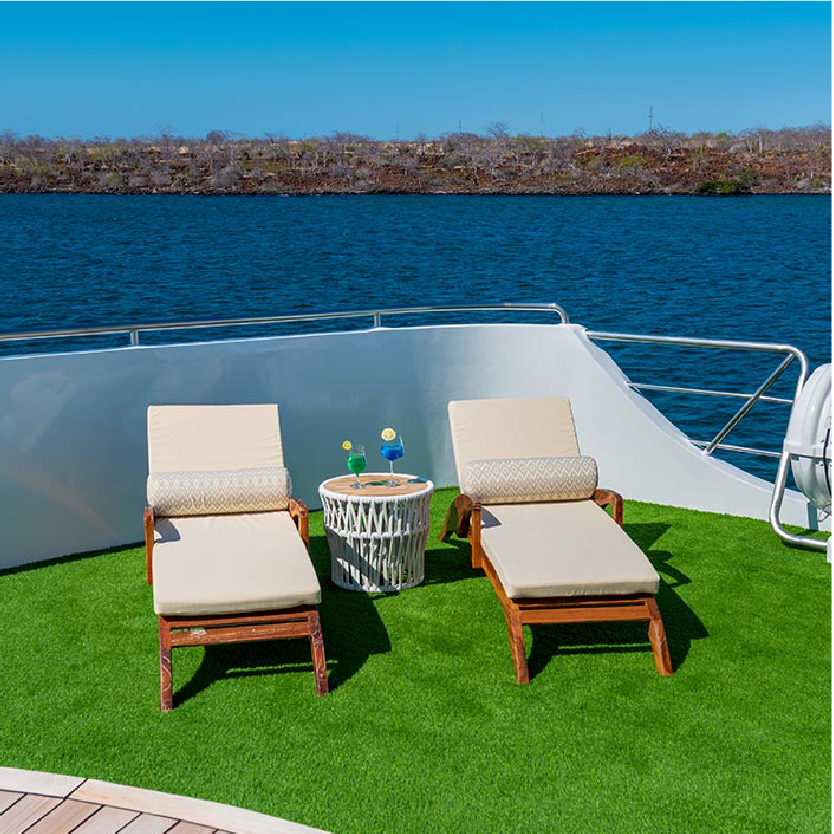
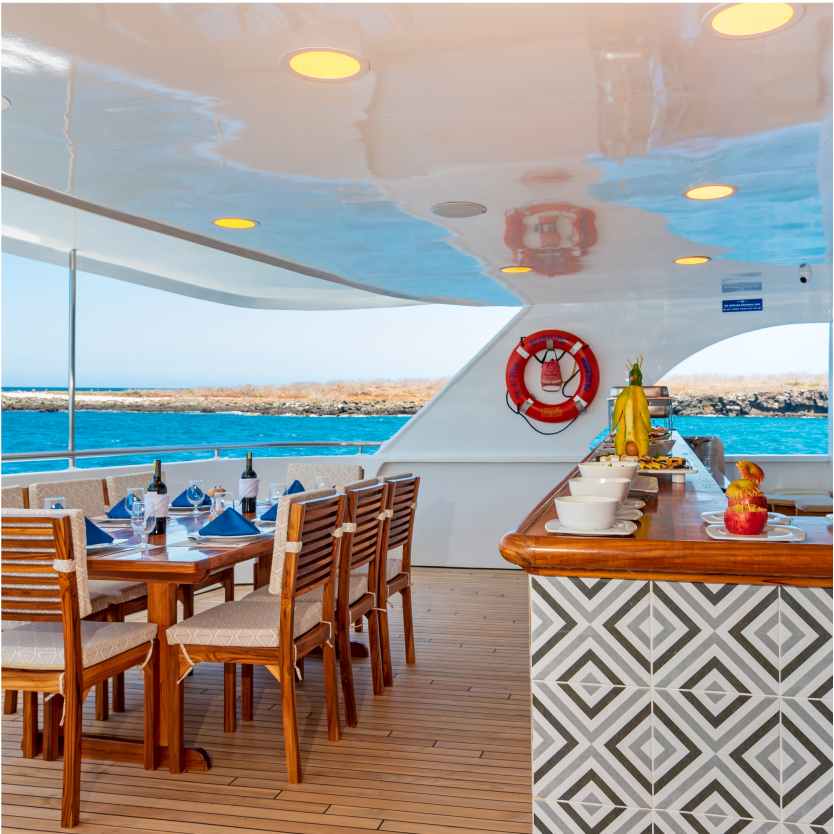
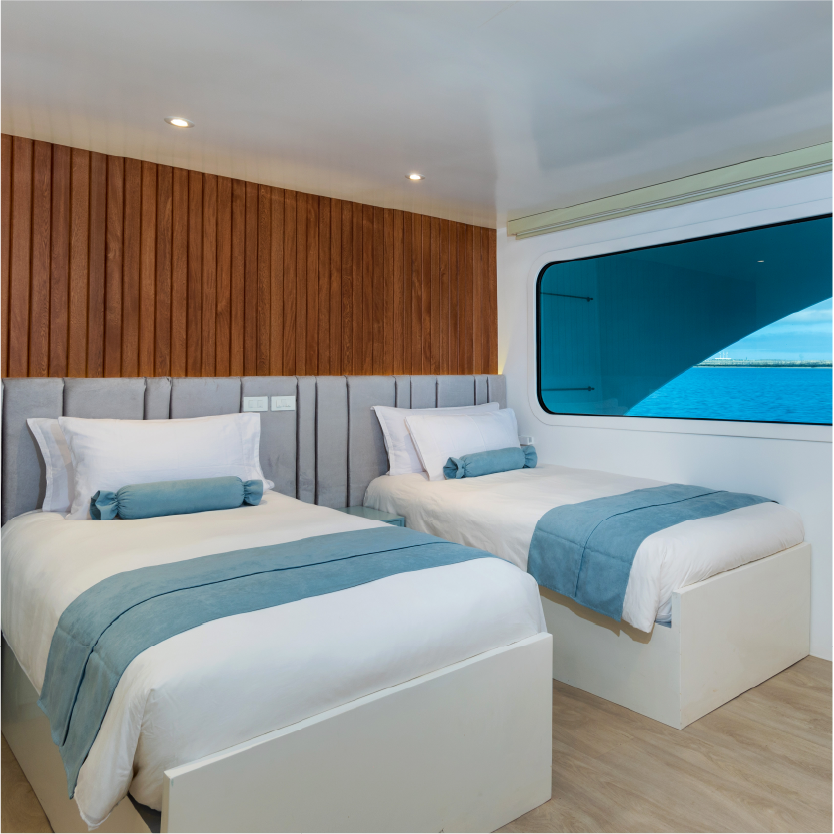
Galapagos luxury boat cruises offer an unparalleled and exclusive way to explore this extraordinary archipelago. Travel in style and comfort aboard a high-end yacht or catamaran, featuring spacious cabins, gourmet dining, and top-notch amenities. Enjoy personalized service and expert naturalist guides who lead intimate excursions, providing deeper insights into the unique wildlife and geology. These cruises combine adventure with sophistication, ensuring a truly unforgettable and indulgent Galapagos experience.

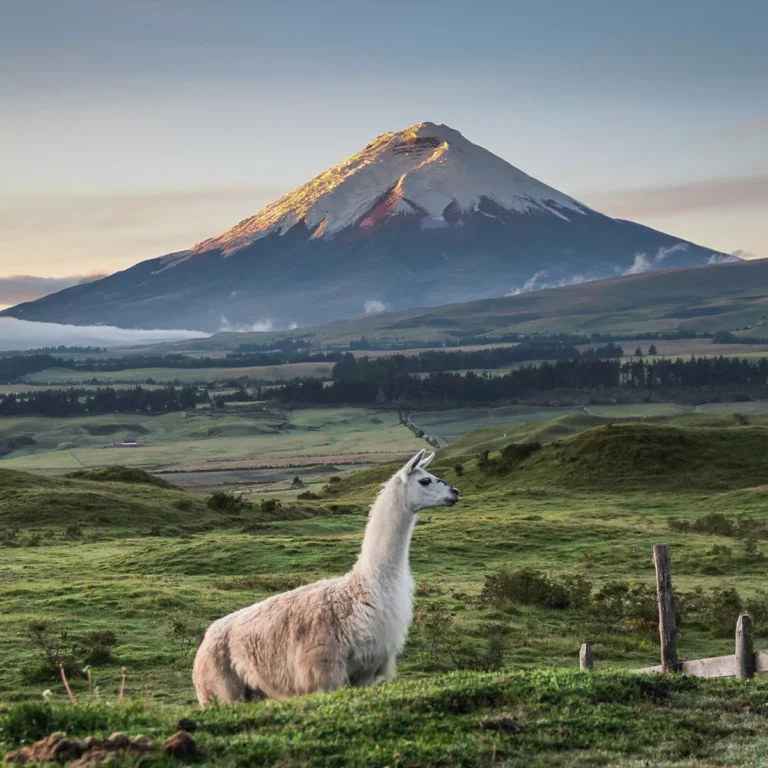
Ecuador travel offers an incredibly diverse and compact experience. From the unique, wildlife-rich Galapagos Islands and the majestic peaks of the Andes Highlands with their vibrant indigenous cultures, to the lush, biodiverse Amazon rainforest and the laid-back Pacific coast, Ecuador packs a world of natural wonders and cultural encounters into a relatively small area.
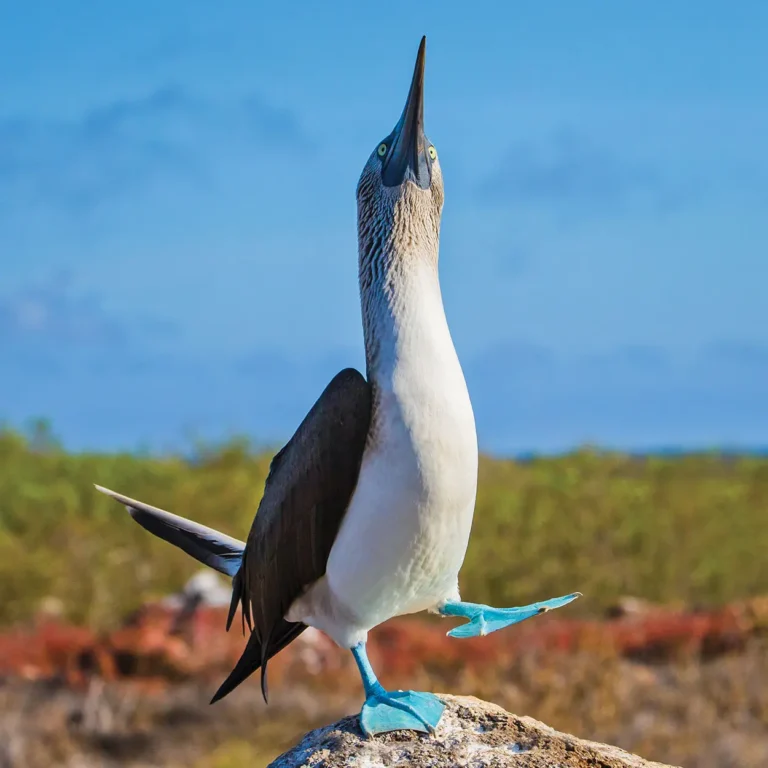
Galapagos tours provide an incredible opportunity to explore a unique volcanic archipelago teeming with fearless, endemic wildlife. Led by knowledgeable naturalists, these multi-day excursions offer close encounters with diverse species through guided walks, snorkeling, and boat navigation, revealing the islands' raw beauty and evolutionary marvels.
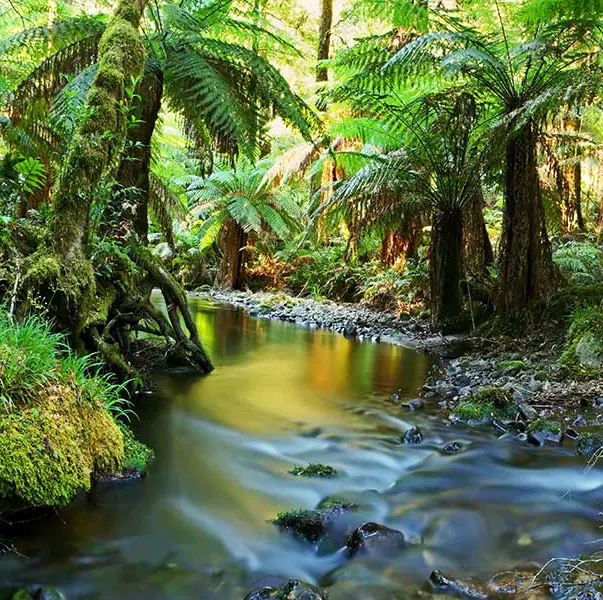
Ecuador rainforest expeditions offer deep dives into the heart of the Amazon, providing unparalleled immersion in one of the world's most biodiverse ecosystems. These journeys combine thrilling wildlife encounters—spotting monkeys, vibrant birds, and elusive predators—with cultural exchanges with indigenous communities, all while navigating lush landscapes and winding rivers.
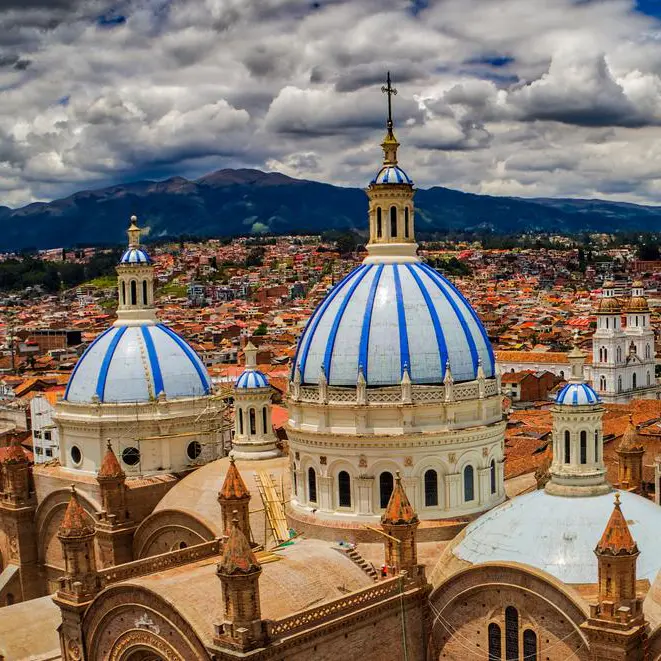
Explore the vibrant heart of Ecuador's Andes with activities like hiking majestic volcanoes (Cotopaxi, Chimborazo), exploring picturesque colonial cities (Quito, Cuenca), bargaining for unique crafts at bustling indigenous markets (Otavalo), and discovering hidden cloud forests. Enjoy horseback riding, mountain biking, or simply soaking in the breathtaking mountain vistas and rich cultural heritage.
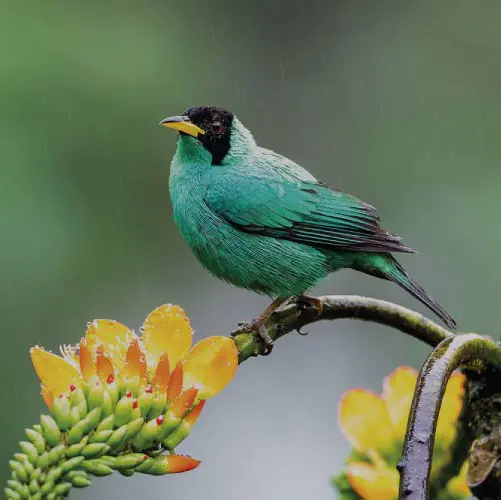
Ecuador is a birder's paradise, boasting an incredible diversity of species across its varied ecosystems. Birdwatching tours in Ecuador offer unparalleled opportunities to spot vibrant hummingbirds in the cloud forests, rare antpittas in the Andes, colorful macaws in the Amazon, and unique endemic species in the Galapagos.

Family journeys in Ecuador offer diverse and engaging adventures for all ages. From wildlife encounters in the Galapagos and Amazon rainforest that spark wonder in children, to cultural explorations in the Andes highlands with their vibrant markets and charming towns, and relaxing moments on the Pacific coast, Ecuador provides a safe and stimulating environment for creating unforgettable family memories.
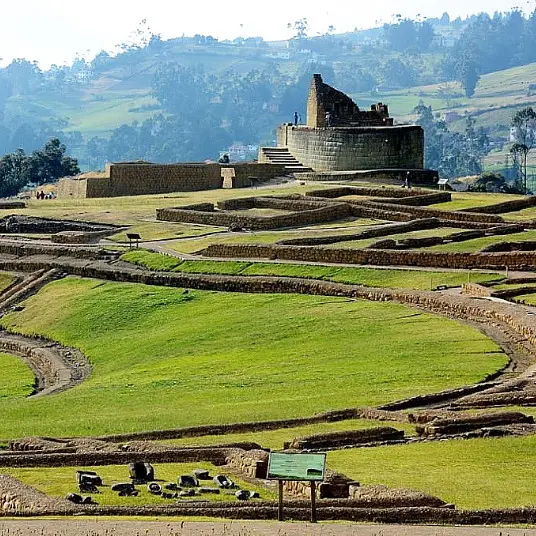
Ecuador's History & Archeology tours delve into a rich past, from ancient pre-Incan civilizations to the grandeur of the Inca Empire and the legacy of Spanish colonialism. Explore meticulously preserved colonial cities like Quito, a UNESCO World Heritage site, discover enigmatic archeological sites such as Ingapirca with its impressive Inca ruins, and learn about the diverse cultures that shaped this fascinating nation.
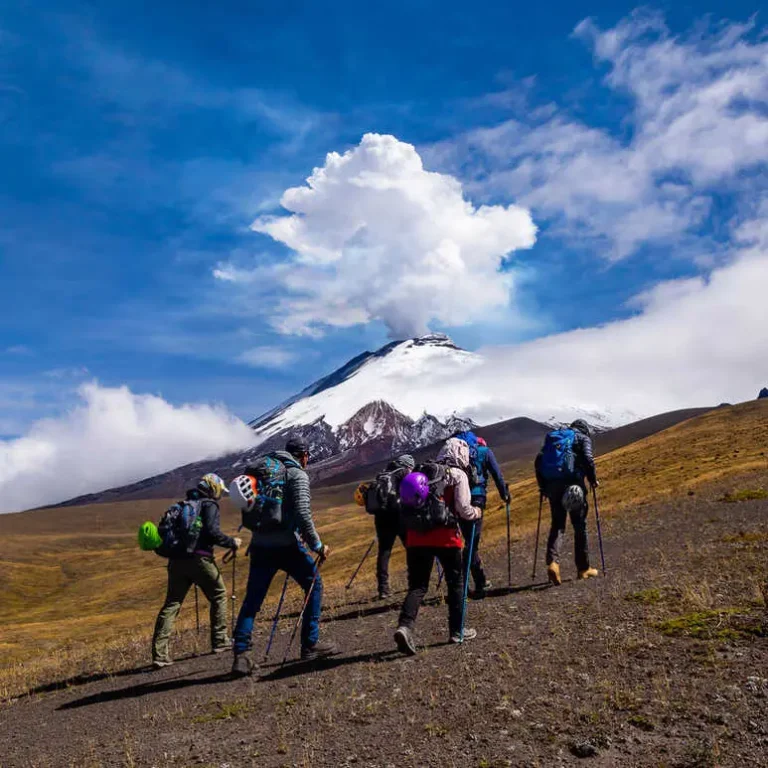
Ecuador hiking and trekking tours offer an extraordinary range of experiences amidst stunning Andean landscapes. From challenging ascents of majestic volcanoes like Cotopaxi and Chimborazo to scenic multi-day treks through cloud forests and paramo, and more gentle walks to explore indigenous villages.
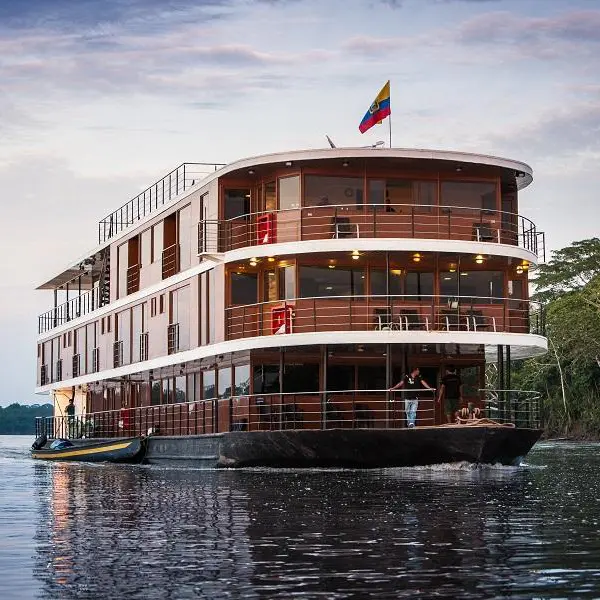
Ecuador boat cruises primarily focus on the Galapagos Islands, offering an unparalleled way to explore this unique archipelago. Options range from comfortable tourist-class vessels to luxurious yachts, providing accommodations, meals, and daily guided excursions. While less common, some river cruises also operate in the Amazon.
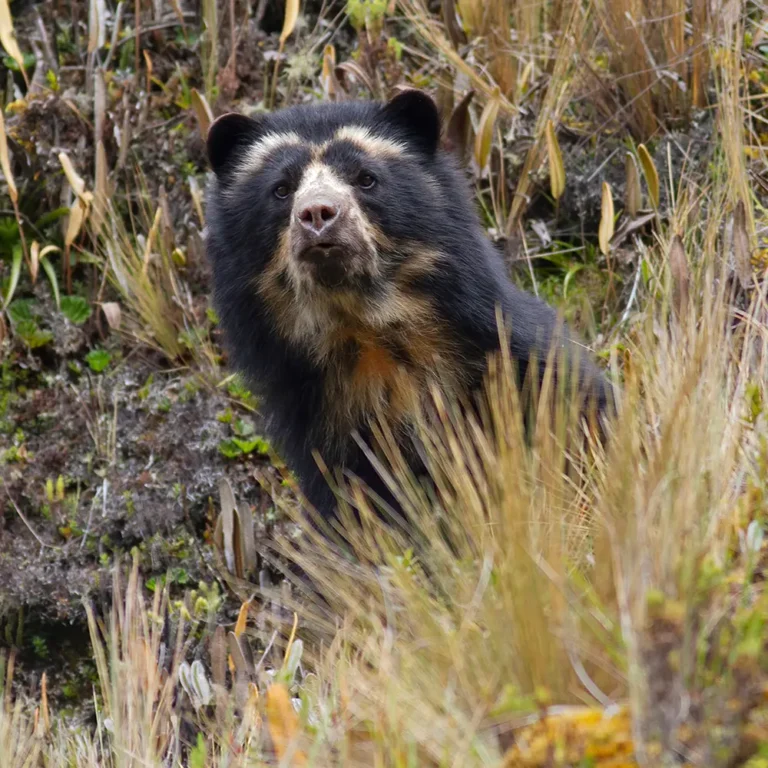
Ecuador's Nature and Wildlife tours are an absolute delight for nature lovers, offering unparalleled biodiversity in a compact country. Explore the unique, fearless wildlife of the Galapagos Islands, discover a profusion of species in the Amazon rainforest (monkeys, macaws, anacondas), and encounter rare birds and fascinating mammals in the Andean cloud forests and paramo.
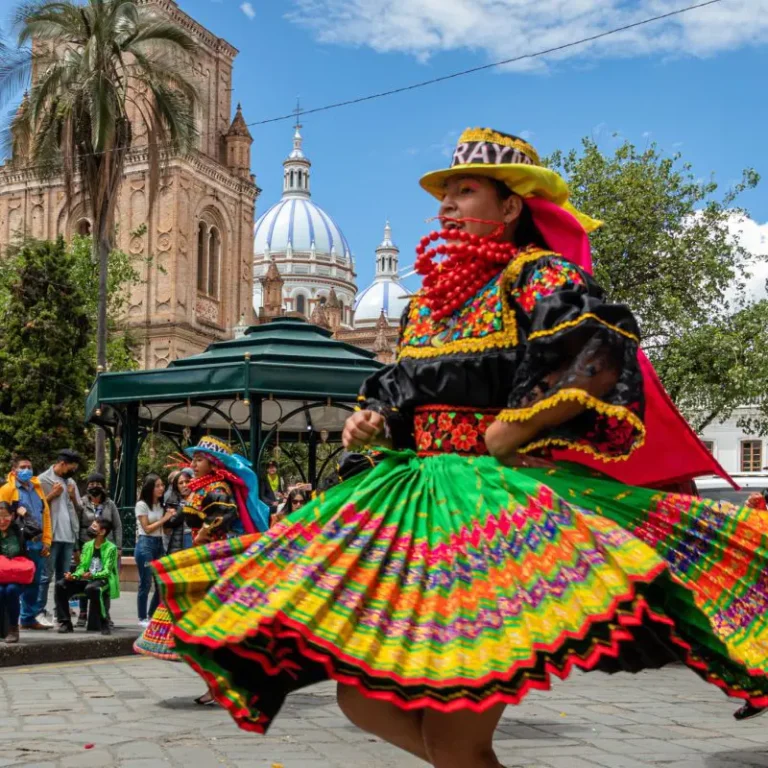
Ecuador People and Culture tours offer a vibrant immersion into the heart of this diverse nation. Explore bustling indigenous markets like Otavalo, where ancient traditions thrive through colorful textiles and handicrafts. Discover the architectural grandeur and living history of UNESCO World Heritage cities like Quito and Cuenca.
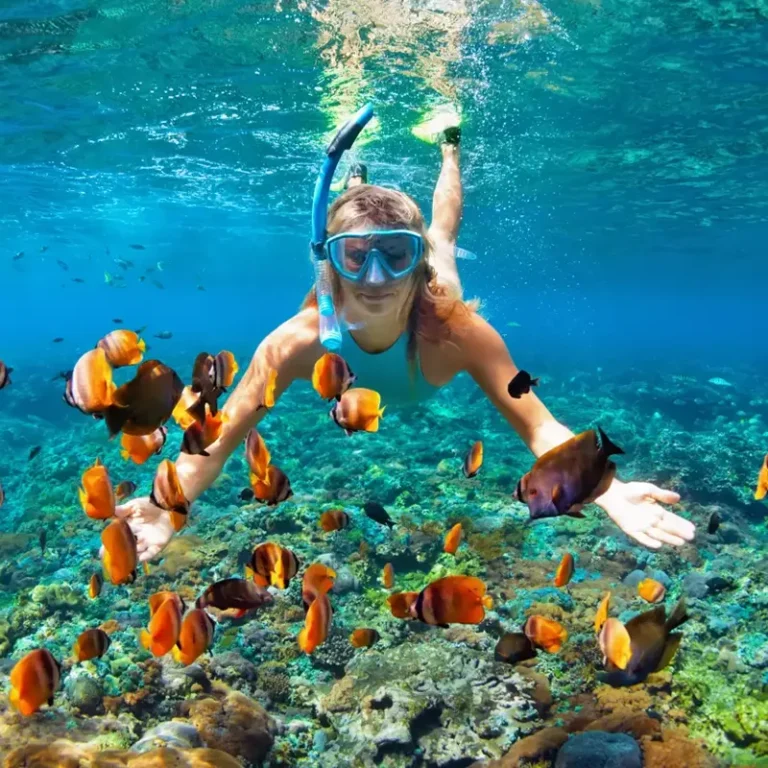
Ecuador's snorkeling and diving tours primarily focus on the Galapagos Islands, offering an unparalleled underwater adventure. Dive into crystal-clear waters teeming with unique marine life found nowhere else: playful sea lions, graceful sea turtles, hammerhead sharks, whale sharks, marine iguanas, and countless colorful fish.
Stay in the know…
Sign up to our email mailing list and have all the latest Ecuador Nature Expeditions travel inspiration sent direct to your inbox.
By signing up you are giving us permission to contact you by email. Your details are safe and will be used as per our Privacy Policy.
*
Need help? Our team is just a message away
